
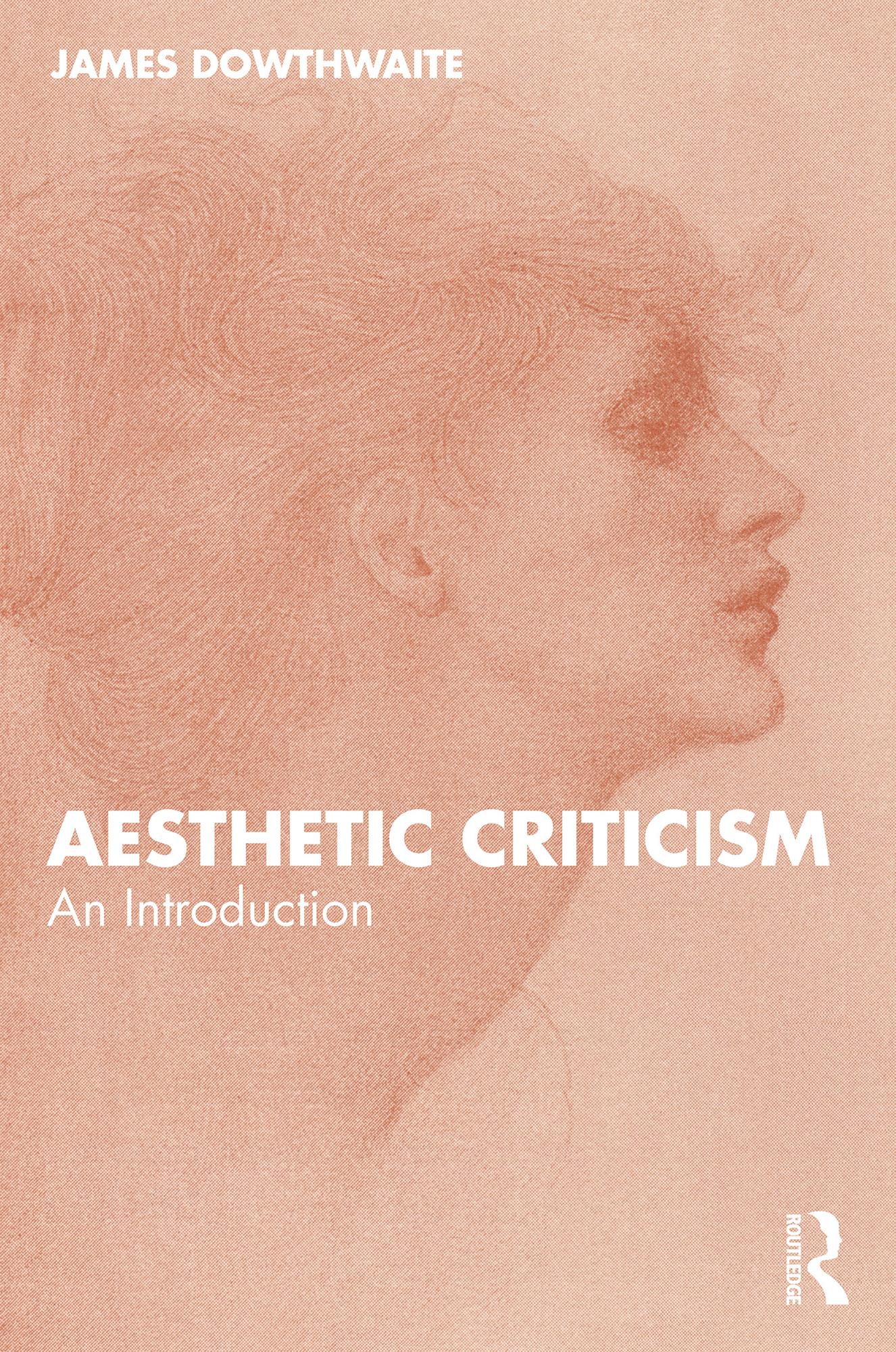
Aesthetic criticism has suffered a poor reputation over the last 120 years. Often dismissing it in the form of caricature, a wave of the hand at ‘mere aestheticism’ with its apparent dogma of ‘art for art’s sake’, we rarely take it seriously as an approach to the arts today, and lose sight of its importance in its own time. This book, however, offers an account of aesthetic criticism as a far more rigorous approach to art, literature, and philosophy than is often thought. By considering the principles of aesthetic criticism on their own terms, this book provides a revised understanding of what the approach was, and what it might offer us today. In four chapters, it provides an account of the main areas of concern of aesthetic criticism: the appreciation of form and sensuality, the negotiation between artworks and their contexts, the question of artistic value, and the uneasy relationship between aesthetics and metaphysics. These are some of the central concerns in all forms of criticism, and by returning to the critical work of Walter Pater, Vernon Lee, Oscar Wilde, or Arthur Symons – to name some examples – we can find crucial tools with which to approach them.
Betal enkelt med kort, Klarna, Apple Pay eller Google Pay. Ikke fornøyd? Du har alltid 14 dagers angrerett. Les mer i våre vilkår. Har du spørsmål, send oss en e-post på hello@memmo.org.
Memmo gjør det enklere å studere – uansett hvor du er i verden. Hos oss samler du pensumbøker og smarte studieverktøy på ett og samme sted: sammendrag, quizer, podkaster og flashcards. Og så Ted, din studiekompis som svarer på alt du lurer på. Over 50 000 studenter studerer allerede her – bygget for at du skal lære raskere og stresse mindre.