
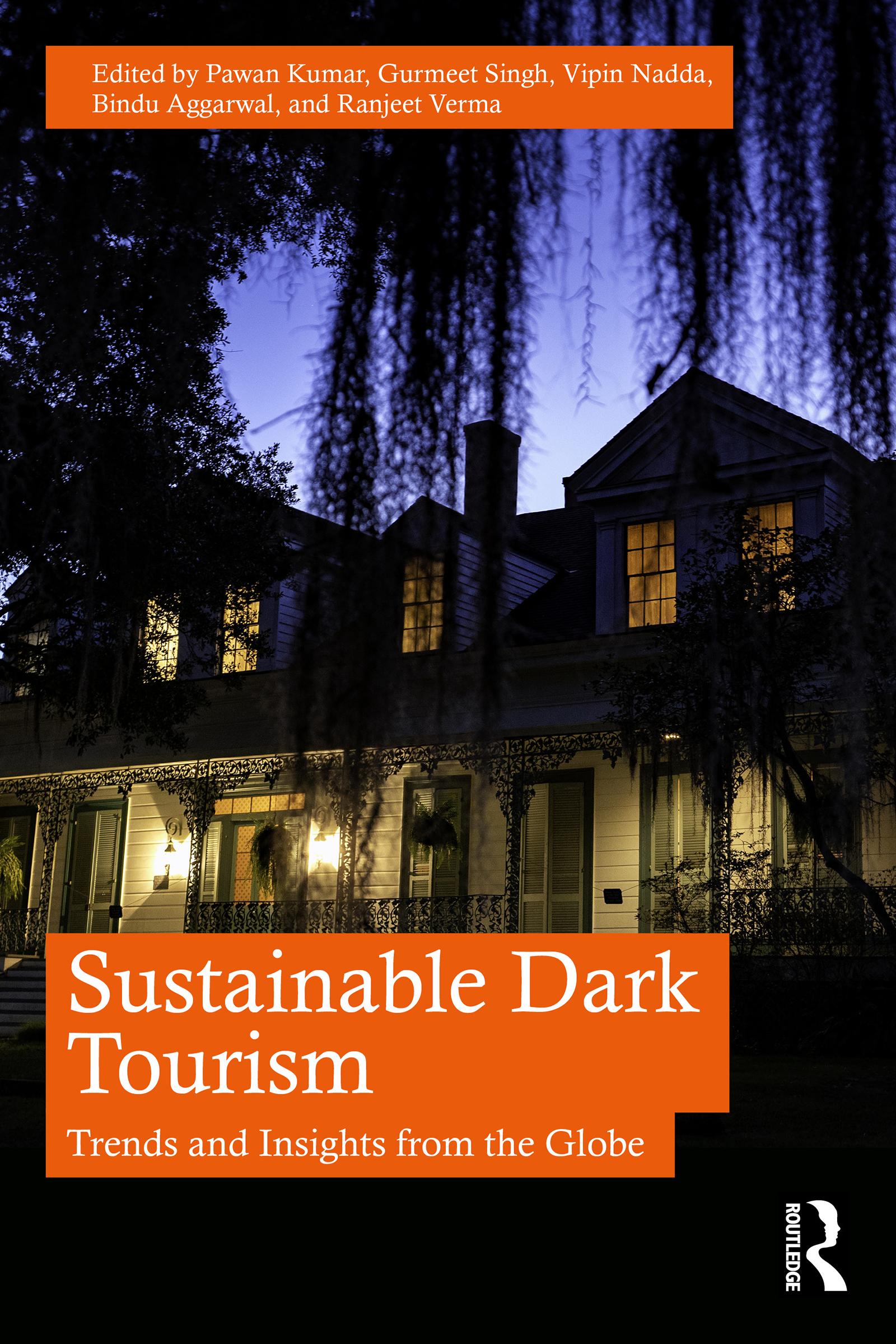
This book critically examines an increasingly popular and unique tourism form, dark tourism, and how it relates to sustainability, ethics, and cultural heritage.
By doing so, it explores the effects of dark tourism and associated historical background on local people, landscapes, and economies, emphasizing both positive and negative outcomes. It also provides insights to analyze successful sustainable dark tourism activities and regulations from various worldwide contexts, looking for transferable lessons and best practices.
This book informs sustainable dark tourism development and management that incorporates social and environmental factors and is valuable reading for postgraduate and advanced undergraduate students, as well as researchers and academics interested in dark tourism.
Betal enkelt med kort, Klarna, Apple Pay eller Google Pay. Ikke fornøyd? Du har alltid 14 dagers angrerett. Les mer i våre vilkår. Har du spørsmål, send oss en e-post på hello@memmo.org.
Memmo gjør det enklere å studere – uansett hvor du er i verden. Hos oss samler du pensumbøker og smarte studieverktøy på ett og samme sted: sammendrag, quizer, podkaster og flashcards. Og så Ted, din studiekompis som svarer på alt du lurer på. Over 50 000 studenter studerer allerede her – bygget for at du skal lære raskere og stresse mindre.