
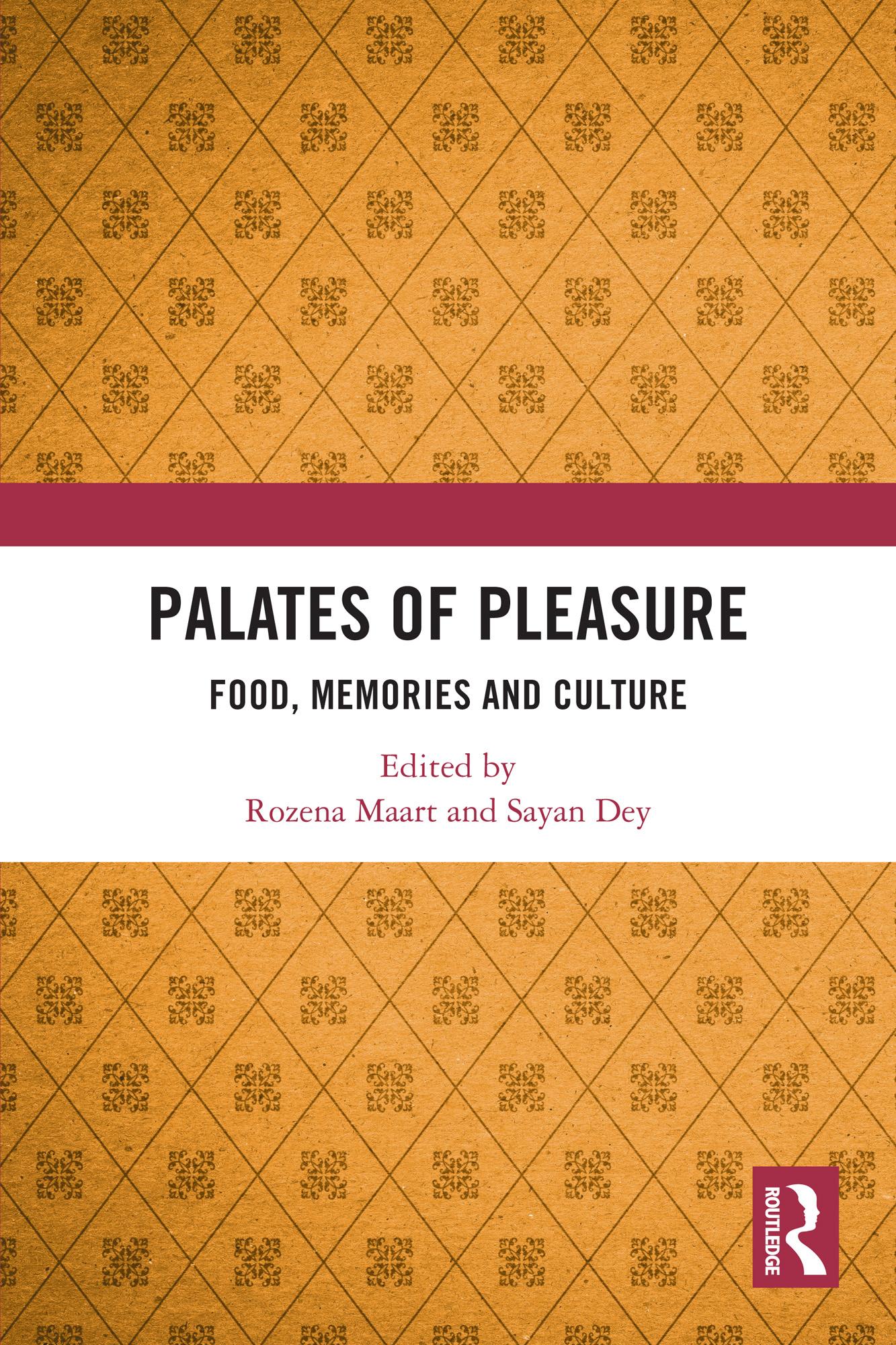
This book engages with the ways in which our habitual practices of cooking and eating uphold diverse forms of social, cultural, political, gendered, racialised, communal and geopolitical experiences of place and space. With diverse contributions from India, South Africa, Colombia, the United States, United Kingdom, and Jamaica, it discusses themes including modernity as a stuffed gourd; decolonising food in Colombia; culinary colonialism today; trijunction of colonialism, Hindu/India resistance, and hybridity; Hindu widows and forbidden food; Dutch colonisation of the Cape and its food sources in Bengal (India), Indonesia, and Malaysia; politicising the kitchens in India; and autoethnographic accounts of food, cooking, compliance and resistance, to underscore how patterns of cooking and eating build knowledge systems in daily life. The book also addresses the cultural and ethnic components of suppression, cultural expressions of food and belonging as is evidenced in Filipina American cultural identities marked by migration, pleasure and taste as a psycho-sexual construct at the Cape in South Africa where the enslaved understand the value of food and pleasure.
This book will be of interest to scholars and researchers of cultural studies, philosophy, post-colonial studies, gender studies, food studies, food history, food anthropology, sociology, political sociology and social anthropology.
Betal enkelt med kort, Klarna, Apple Pay eller Google Pay. Ikke fornøyd? Du har alltid 14 dagers angrerett. Les mer i våre vilkår. Har du spørsmål, send oss en e-post på hello@memmo.org.
Memmo gjør det enklere å studere – uansett hvor du er i verden. Hos oss samler du pensumbøker og smarte studieverktøy på ett og samme sted: sammendrag, quizer, podkaster og flashcards. Og så Ted, din studiekompis som svarer på alt du lurer på. Over 50 000 studenter studerer allerede her – bygget for at du skal lære raskere og stresse mindre.