
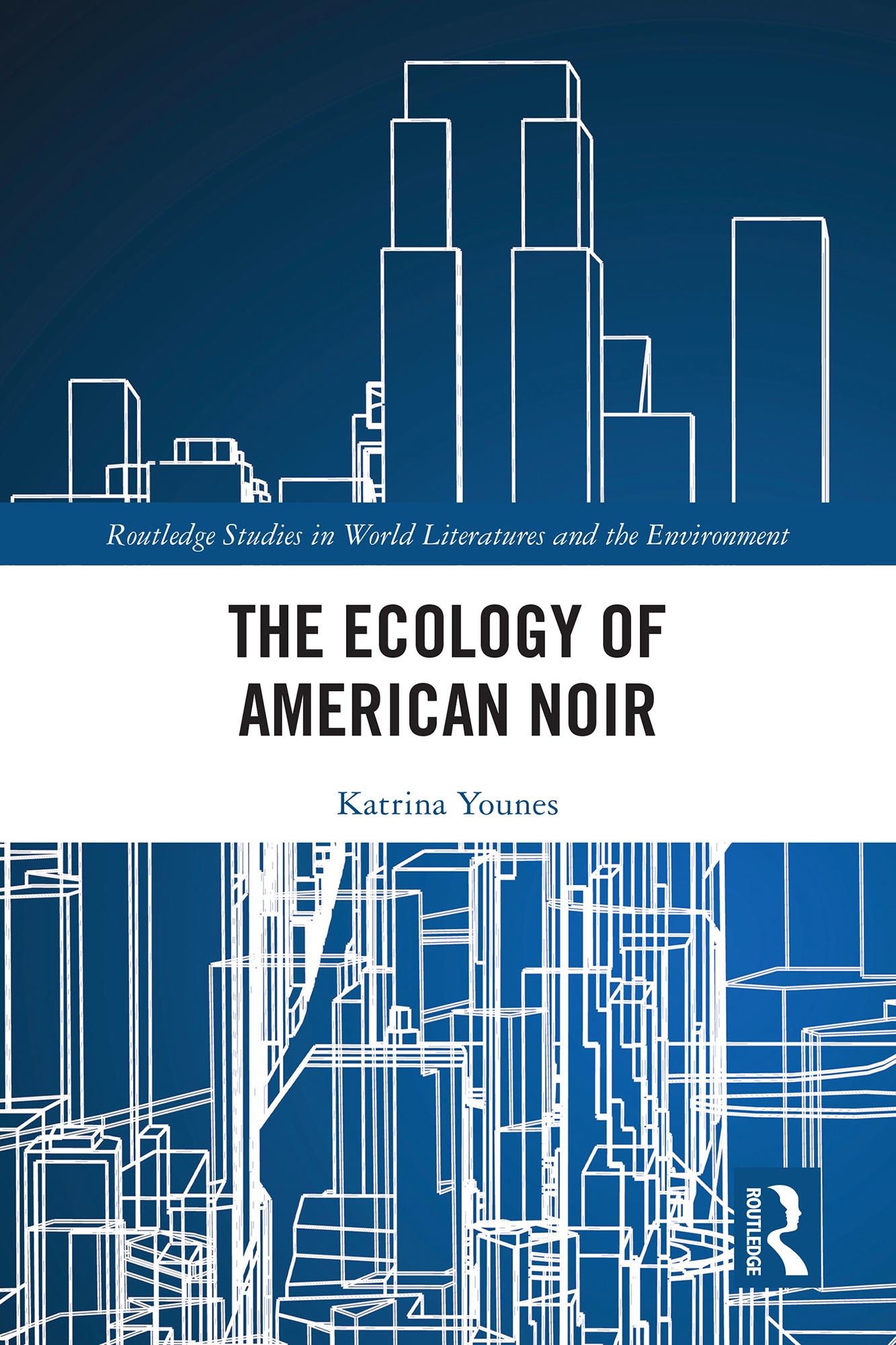
This volume investigates the relationship between the conventions of noir fiction and film and its sub-types in relation to environmental crises. Dr. Younes addresses questions that not only allow readers to (re)read early hardboiled literature and neo-noir films but also help identify a new sub-genre of noir and develop an ecocritical methodology: "eco-noir." This text traces the development of strategies of mapping urban blight and environmental deterioration in classic hardboiled fiction of the 1940s, neo-noir films of the 1970s, and eco-noir texts of the post-millennial period. Introducing the concept of eco-noir as both a sub-genre and fictional form, as well as a methodology, the volume develops a new way of understanding the relationship between noir and climate fiction texts. Through a close reading of hardboiled, neo-noir, and eco-noir texts, including those by Dashiell Hammett, Raymond Chandler, Robert Towne, Kim Stanley Robinson, and Jeff VanderMeer, it asks and addresses the question: how does each sub-genre of noir map the noir atmosphere of the private investigator's natural setting in terms of environmental toxicity? The Ecology of American Noir contributes to critical conversations in both noir and ecocritical scholarship, making clear how a new understanding of noir as defined through environmental and atmospheric conditions invites readers, viewers, and scholars of the genre to generate meaningful dialogues about our decaying and deteriorating environment.
Betal enkelt med kort, Klarna, Apple Pay eller Google Pay. Ikke fornøyd? Du har alltid 14 dagers angrerett. Les mer i våre vilkår. Har du spørsmål, send oss en e-post på hello@memmo.org.
Memmo gjør det enklere å studere – uansett hvor du er i verden. Hos oss samler du pensumbøker og smarte studieverktøy på ett og samme sted: sammendrag, quizer, podkaster og flashcards. Og så Ted, din studiekompis som svarer på alt du lurer på. Over 50 000 studenter studerer allerede her – bygget for at du skal lære raskere og stresse mindre.