
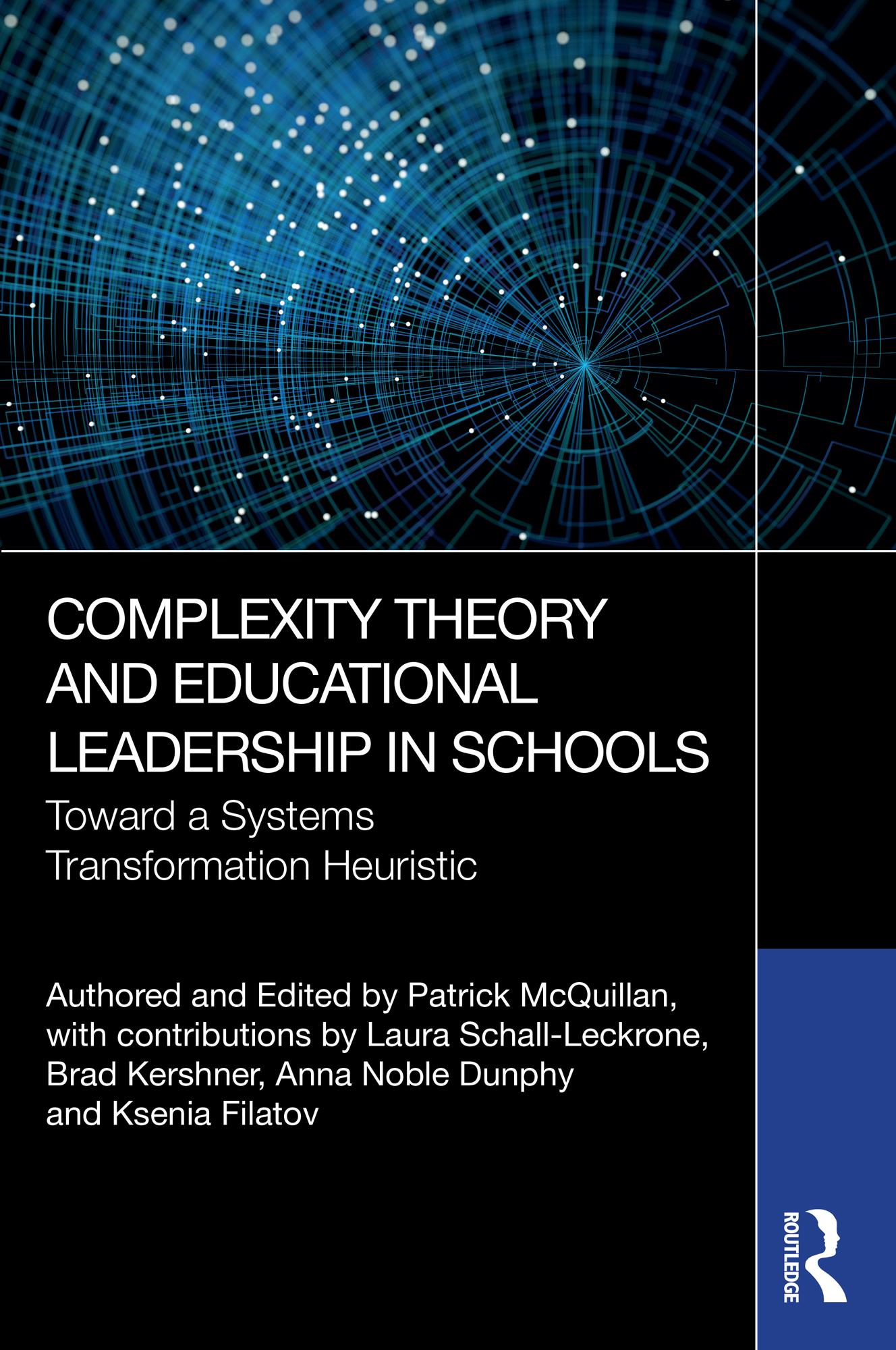
The research in this volume draws on aspects of complexity theory and its integral link to systems performance to propose a new method for combatting the longstanding opportunity gap and related underperformance of so many underserved students in the American educational system.
Through a longitudinal case study of the Lynch Leadership Academy at Boston College, this research considers the initial conditions and related disequilibrium principals experienced, the degree to which principals shared power and authority within their school context, and the extent to which they generated a shared school culture founded on collaboration and systematic reflection. From these data, the authors create a detailed picture of the Academy and its impact on the principals and their schools, using a new analytic tool called the “systems transformation heuristic," designed by the authors to quantify the qualitative dimensions of a school’s efforts to enact adaptive change consistent with the complex adaptive system metaphor.
As such, it offers a new foundation for conceptualizing ongoing systems change, as well as a fresh model for school personnel to consider their experience from concrete, intertwined, and unique points of view. It will appeal to scholars, researchers, and practitioners with interests in educational leadership, complexity theory, urban education, and social justice.
Betal enkelt med kort, Klarna, Apple Pay eller Google Pay. Ikke fornøyd? Du har alltid 14 dagers angrerett. Les mer i våre vilkår. Har du spørsmål, send oss en e-post på hello@memmo.org.
Memmo gjør det enklere å studere – uansett hvor du er i verden. Hos oss samler du pensumbøker og smarte studieverktøy på ett og samme sted: sammendrag, quizer, podkaster og flashcards. Og så Ted, din studiekompis som svarer på alt du lurer på. Over 50 000 studenter studerer allerede her – bygget for at du skal lære raskere og stresse mindre.