
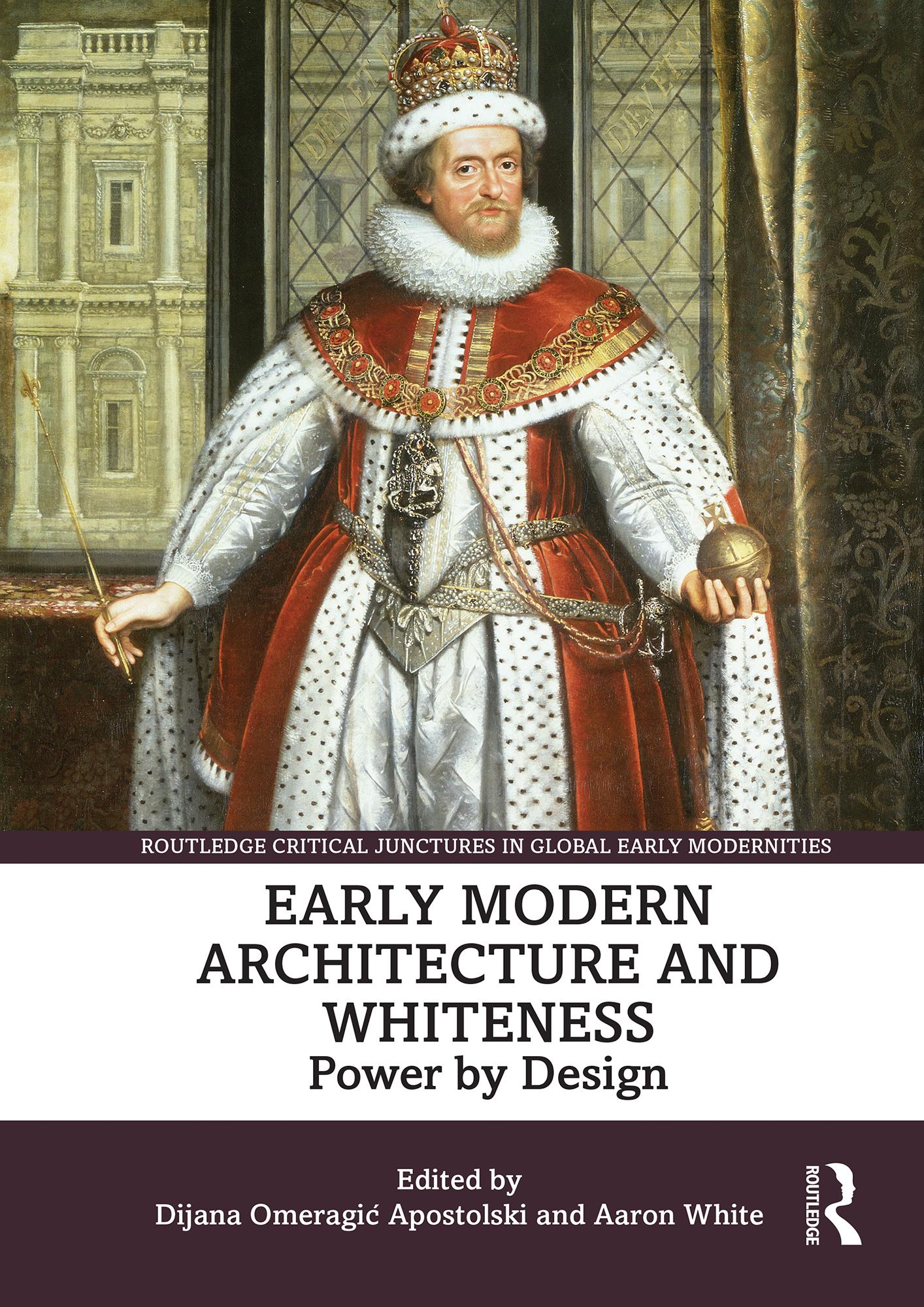
Framing whiteness as a sensorial quality connate with ethical, aesthetic, epistemological, and ontological hierarchies, this edited volume examines how the category of whiteness shaped architectural theories and practices across the early modern period.
What was architecture’s role in race-making, constructions of whiteness, and processes of othering more generally? How was whiteness architecturally questioned, reinforced, conceptualized, practiced, and materialized? And how did whiteness intersect with categories such as class, nation, gender, beauty, hygiene, and health? In examining these questions, this volume explores the ways in which premodern critical race studies allow us to reimagine the boundaries and possibilities of architectural research, design, and practice.
The book will be of interest to scholars working in architectural history, art history, early modern studies, and the history of race.
Betal enkelt med kort, Klarna, Apple Pay eller Google Pay. Ikke fornøyd? Du har alltid 14 dagers angrerett. Les mer i våre vilkår. Har du spørsmål, send oss en e-post på hello@memmo.org.
Memmo gjør det enklere å studere – uansett hvor du er i verden. Hos oss samler du pensumbøker og smarte studieverktøy på ett og samme sted: sammendrag, quizer, podkaster og flashcards. Og så Ted, din studiekompis som svarer på alt du lurer på. Over 50 000 studenter studerer allerede her – bygget for at du skal lære raskere og stresse mindre.