
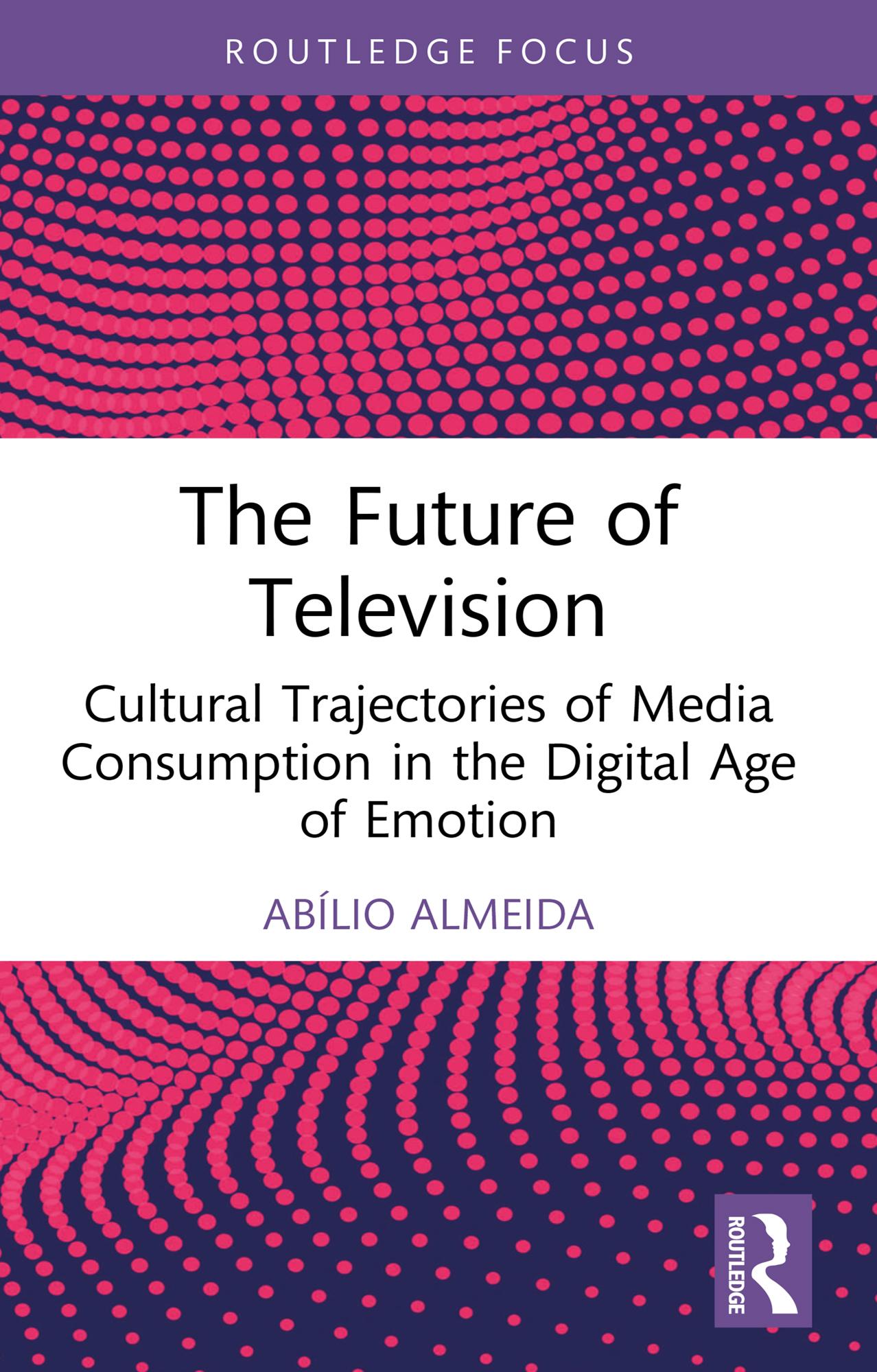
The book is divided into two sections: one focusing on the phenomenon of television and the other on audiences. It argues that television is changing from a singular object, fixed in a particular place, to a social phenomenon distributed across many devices and platforms. It also argues that audiences are increasingly demanding an ‘open relationship’ with television, as their attention is often distributed across multiple devices and platforms simultaneously. In addition to these aspects, we analyse the evolution of television since its inception, the need for a renewed public service 2.0 in tune with our times, the increasing dominance of talk shows and infotainment, and the new power of television combined with artificial intelligence. These and many other topics are covered in this book, which will be of interest to television professionals, academics in sociology, media studies, and various other fields.
Betal enkelt med kort, Klarna, Apple Pay eller Google Pay. Ikke fornøyd? Du har alltid 14 dagers angrerett. Les mer i våre vilkår. Har du spørsmål, send oss en e-post på hello@memmo.org.
Memmo gjør det enklere å studere – uansett hvor du er i verden. Hos oss samler du pensumbøker og smarte studieverktøy på ett og samme sted: sammendrag, quizer, podkaster og flashcards. Og så Ted, din studiekompis som svarer på alt du lurer på. Over 50 000 studenter studerer allerede her – bygget for at du skal lære raskere og stresse mindre.