
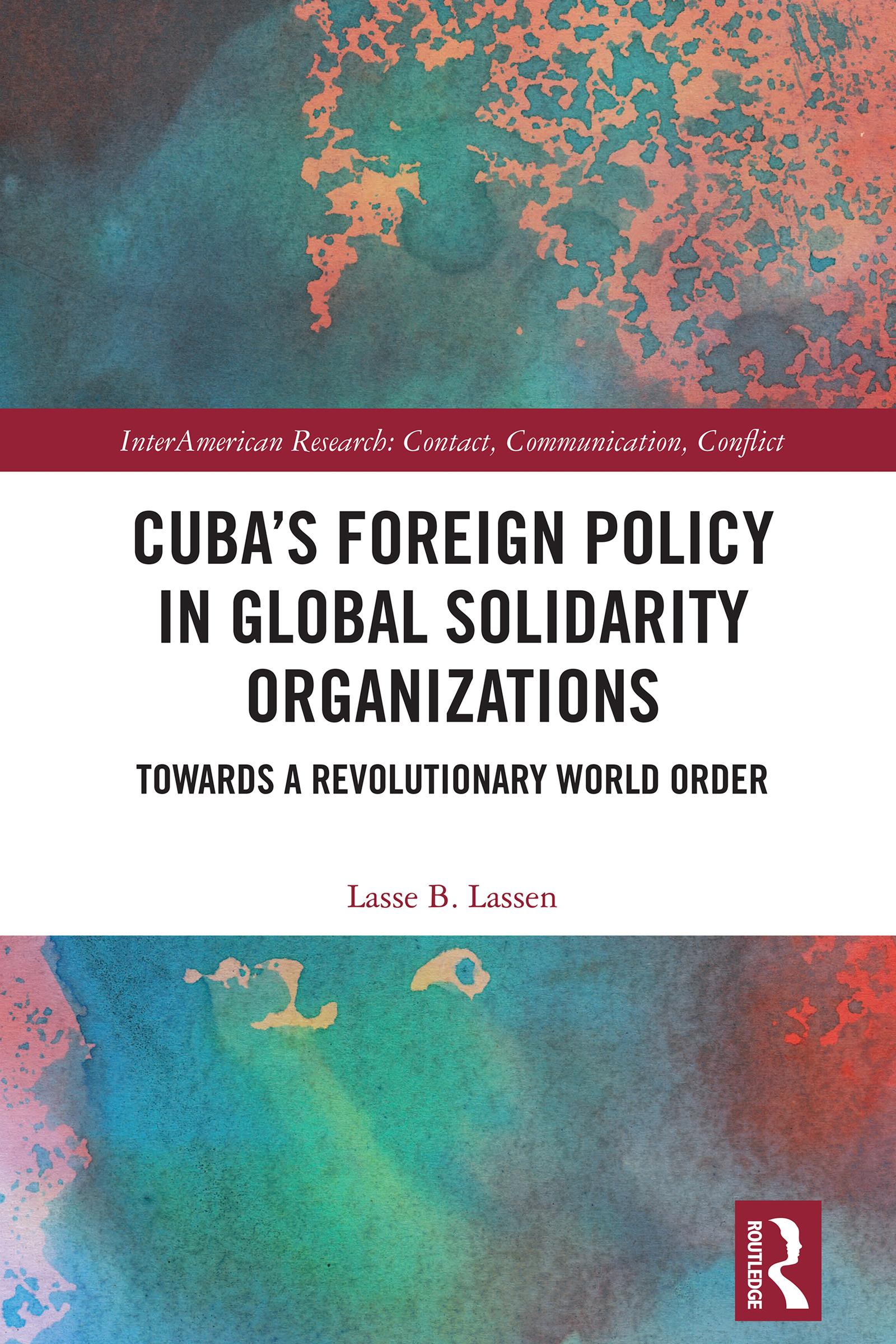
This book analyzes the influence of the Cuban Revolutionary Government on the evolution of the Afro-Asian Peoples’ Solidarity Organization (AAPSO). The author argues that Cuba’s accession to AAPSO and the convocation of two solidarity conferences (1966/1967) in Havana initiated a political shift for the organization. The Cuban Revolutionary Government thus promoted the inclusion of Latin American delegations that represented their countries’ leftist and pro-Cuban dissidence as well as rural guerilla movements. Adding to that, Fidel Castro’s independent stance towards AAPSO’s two main financers, the USSR and the PR China, fostered a gradual emancipation of the postcolonial organization from the dominance of its sponsors. The book offers a better understanding of the theoretical foundations of Cuba’s foreign policy and explains how Havana used the two solidarity conferences to better the island’s international prestige at times of diplomatic isolation. Retracing the diplomatic influence of a small but key diplomatic actor of the Cold War, this study will appeal to postcolonial and Latin America scholars, as well as to academic researchers in contemporary history and political sciences.
Betal enkelt med kort, Klarna, Apple Pay eller Google Pay. Ikke fornøyd? Du har alltid 14 dagers angrerett. Les mer i våre vilkår. Har du spørsmål, send oss en e-post på hello@memmo.org.
Memmo gjør det enklere å studere – uansett hvor du er i verden. Hos oss samler du pensumbøker og smarte studieverktøy på ett og samme sted: sammendrag, quizer, podkaster og flashcards. Og så Ted, din studiekompis som svarer på alt du lurer på. Over 50 000 studenter studerer allerede her – bygget for at du skal lære raskere og stresse mindre.