
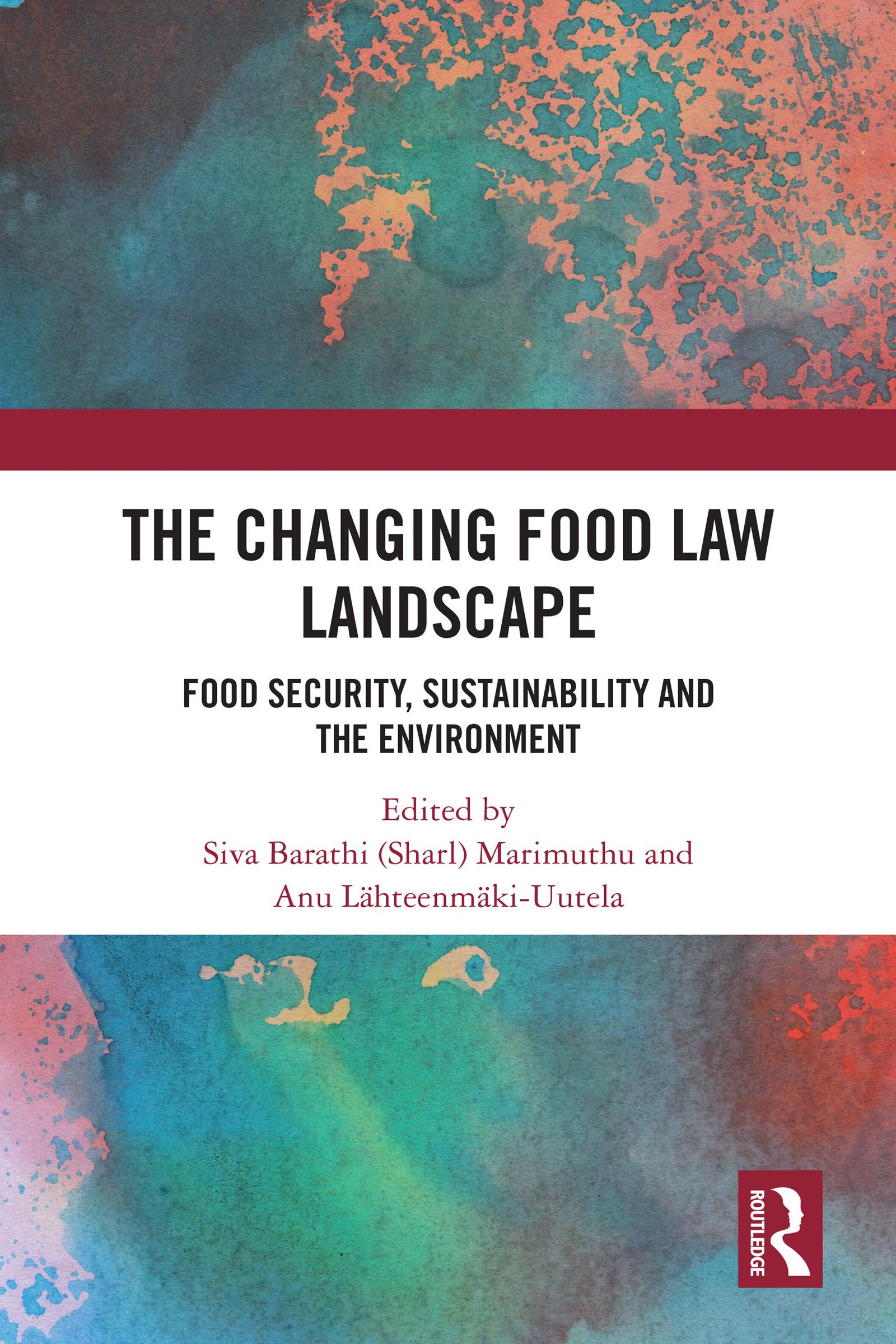
This book analyses the current debates within food system governance, covering different aspects of food systems (from production to consumption) as well as different fields of law (from human rights law to environmental law). Recognizing that the law, in interacting with multiple disciplines, plays a major role in setting binding targets for sustainable innovation and business transformation, it brings together contributors from a wide range of professions, including agriculture, law, and business to examine the dimensions of food systems and the challenges in transforming them.
The contributors to this book examine some of the most significant aspects of food law and regulation, including the effects of global warming, intellectual property rights, and human rights, as well as local and international viewpoints on food safety, information sharing, and systems transformation. They consider the history and present challenges of food production, the different approaches to addressing the issues faced, and the factors of human biology, psychology, cultural norms and religion that shape our food environments. The analysis of knowledge, values and institutions provides a holistic analysis of human food systems. Topics such as regenerative agriculture, novel and alternative foods, and health-enhancing foods are also covered.
With its interdisciplinary approach, this book will interest researchers in agricultural law, food policy, environmental law, transdisciplinary food studies, and food science.
Betal enkelt med kort, Klarna, Apple Pay eller Google Pay. Ikke fornøyd? Du har alltid 14 dagers angrerett. Les mer i våre vilkår. Har du spørsmål, send oss en e-post på hello@memmo.org.
Memmo gjør det enklere å studere – uansett hvor du er i verden. Hos oss samler du pensumbøker og smarte studieverktøy på ett og samme sted: sammendrag, quizer, podkaster og flashcards. Og så Ted, din studiekompis som svarer på alt du lurer på. Over 50 000 studenter studerer allerede her – bygget for at du skal lære raskere og stresse mindre.