
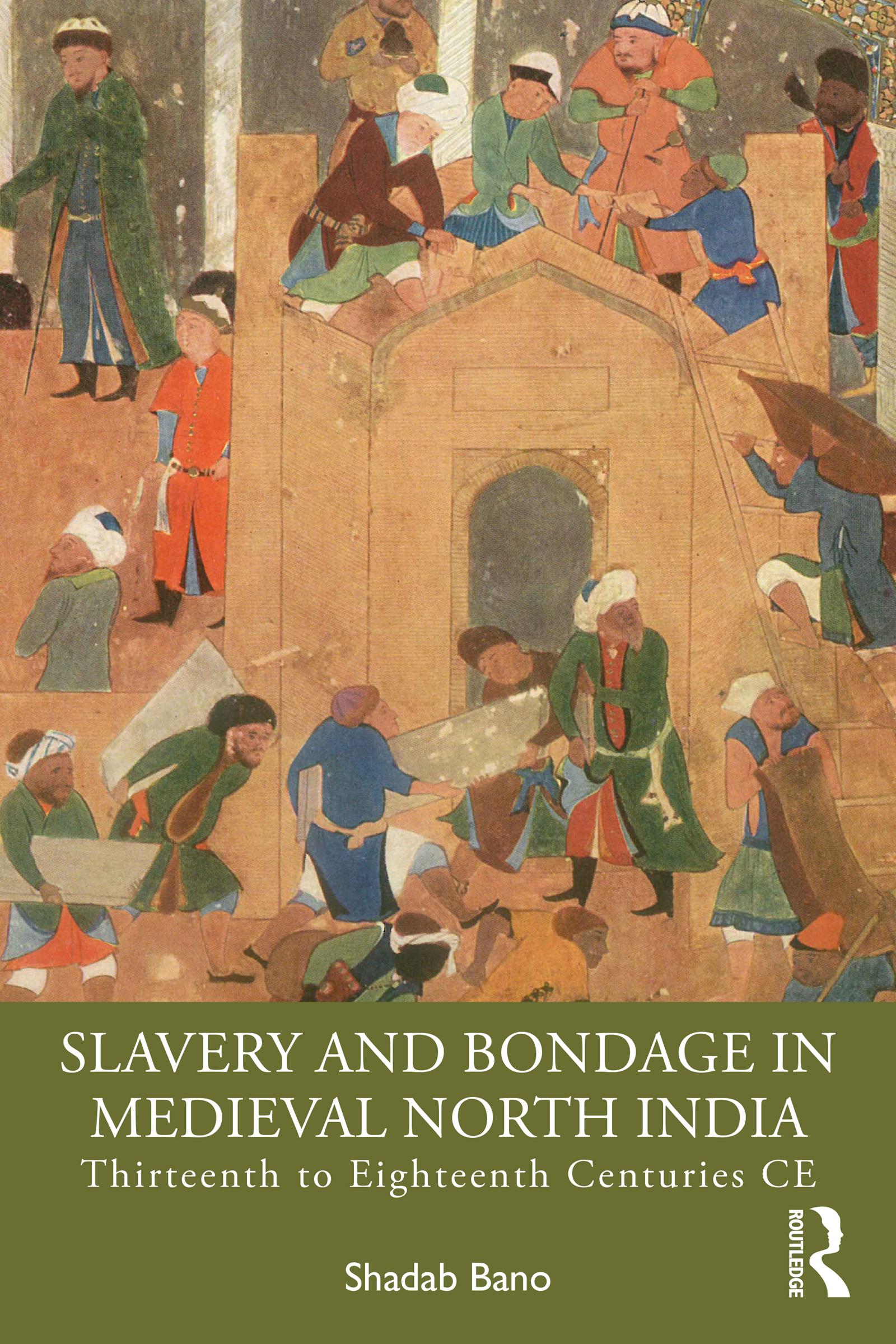
This book examines slavery in India from the Turkish conquest of North India to the centuries of Mughal rule. It focuses on the northern Islamic regimes’ treatment of slavery but not limited or determined by the actions and demands of the ruling class alone. Societies normalized the practices, and the norms were socially constituted, which included slaves’ acceptance, resistance, and use of agency in the process. It shows how the transformations on the ground made the social-economic and ethical environment of slavery no longer the same over the centuries and the expansion or contraction of slavery corresponded to the structural changes and ethical developments specific to the Indian milieu.
The volume will be of great interest to scholars and researchers of South Asian studies, history and slavery.
Betal enkelt med kort, Klarna, Apple Pay eller Google Pay. Ikke fornøyd? Du har alltid 14 dagers angrerett. Les mer i våre vilkår. Har du spørsmål, send oss en e-post på hello@memmo.org.
Memmo gjør det enklere å studere – uansett hvor du er i verden. Hos oss samler du pensumbøker og smarte studieverktøy på ett og samme sted: sammendrag, quizer, podkaster og flashcards. Og så Ted, din studiekompis som svarer på alt du lurer på. Over 50 000 studenter studerer allerede her – bygget for at du skal lære raskere og stresse mindre.