
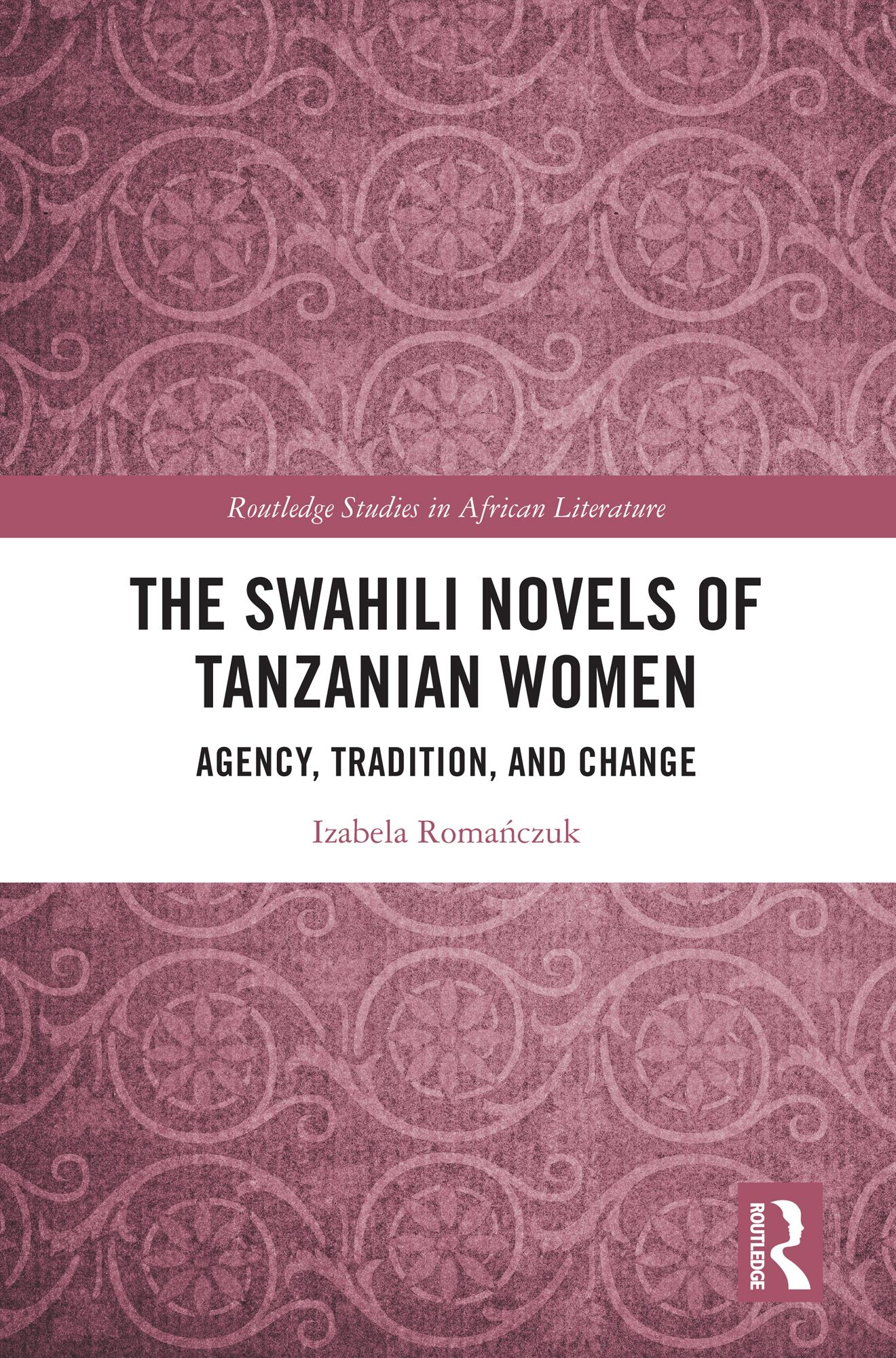
This book provides a rich and full analysis of female Swahili novelists from a feminist perspective, highlighting their important contributions to the living Swahili literary and intellectual tradition.
Compared to the diverse and centuries-old oral literature, or religious-philosophical poetry tradition developing since at least the 17th century, the novel is a relatively young phenomenon in the rich body of Swahili literary output, emerging only in the last hundred years. Since then, academia has focused primarily on male novelists, largely disregarding important female writers such as Ndyanao Balisidya, Zainab Burhani, Martha Mvungi Mlangala, Zainab Mwanga, Lucy Nyasulu, and Zainab Alwi Baharoon. This book traces the evolution of women’s writing in Tanzania, highlighting emancipatory and feminist discourses, as well as intersectional themes of class, education, and urbanisation. The author demonstrates how concepts such as utu 'the essence of humanity', aibu 'shame', 'disgrace' and heshima 'honor', 'social respectability' are used in the novels to articulate the value systems and social norms in Swahili communities, including the gendered perceptions of women that they create.
Grounded throughout in the historical and socio-political contexts of the authors it discusses, this book will be an important read for researchers of African literature and women’s studies.
Betal enkelt med kort, Klarna, Apple Pay eller Google Pay. Ikke fornøyd? Du har alltid 14 dagers angrerett. Les mer i våre vilkår. Har du spørsmål, send oss en e-post på hello@memmo.org.
Memmo gjør det enklere å studere – uansett hvor du er i verden. Hos oss samler du pensumbøker og smarte studieverktøy på ett og samme sted: sammendrag, quizer, podkaster og flashcards. Og så Ted, din studiekompis som svarer på alt du lurer på. Over 50 000 studenter studerer allerede her – bygget for at du skal lære raskere og stresse mindre.