
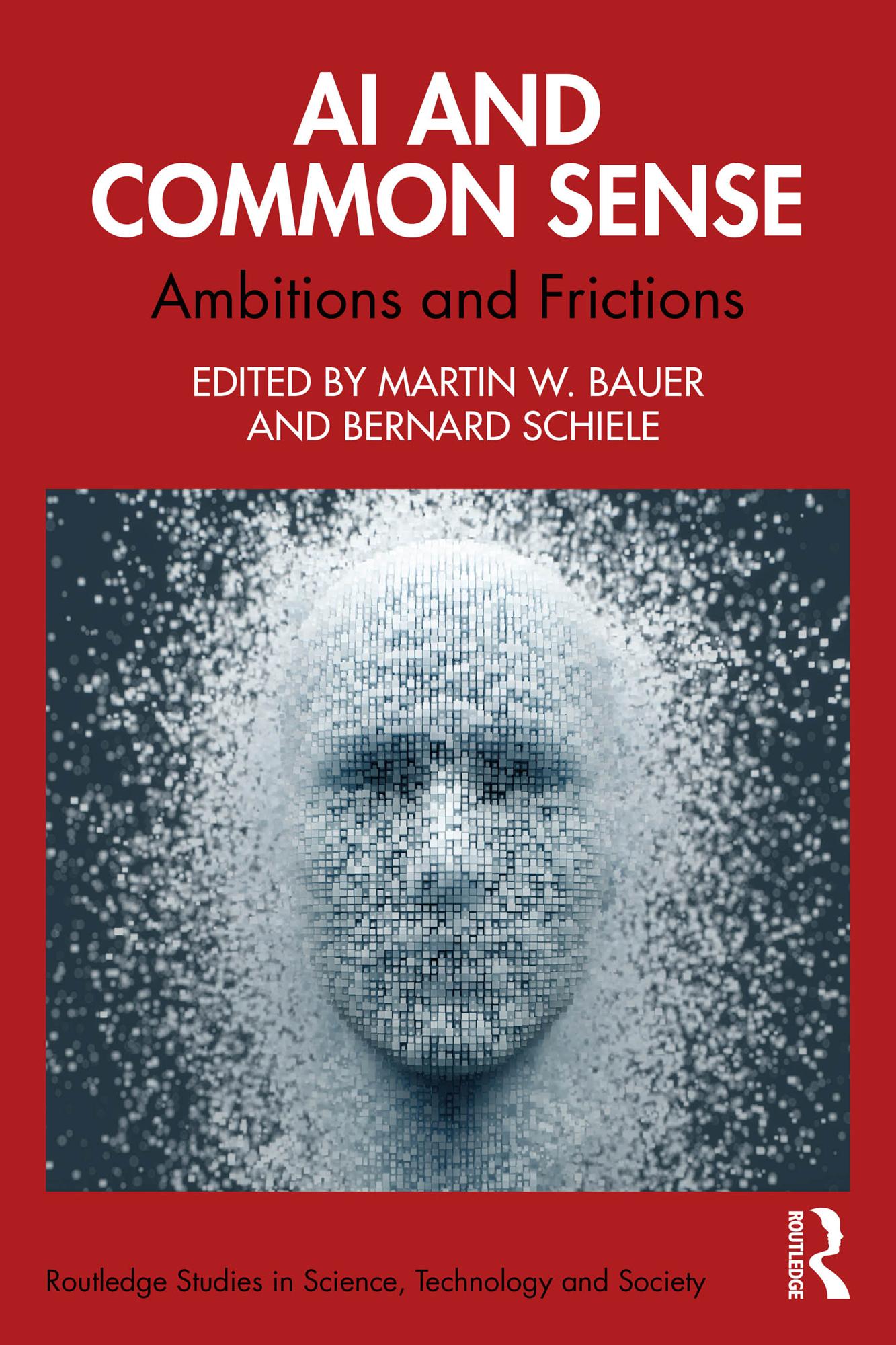
Common sense is the endless frontier in the development of artificial intelligence, but what exactly is common sense, can we replicate it in algorithmic form, and if we can – should we?
Bauer, Schiele and their contributors from a range of disciplines analyse the nature of common sense, and the consequent challenges of incorporating into artificial intelligence models. They look at different ways we might understand common sense and which of these ways are simulated within computer algorithms. These include sensory integration, self-evident truths, rhetorical common places, and mutuality and intentionality of actors within a moral community. How far are these possible features within and of machines? Approaching from a range of perspectives including Sociology, Political Science, Media and Culture, Psychology and Computer Science, the contributors lay out key questions, practical challenges and "common sense" concerns underlying the incorporation of common sense within machine learning algorithms for simulating intelligence, socialising robots, self-driving vehicles, personnel selection, reading, automatic text analysis, and text production.
A valuable resource for students and scholars of Science–Technology–Society Studies, Sociologists, Psychologists, Media and Culture Studies, human–computer interaction with an interest in the post-human, and programmers tackling the contextual questions of machine learning.
Betal enkelt med kort, Klarna, Apple Pay eller Google Pay. Ikke fornøyd? Du har alltid 14 dagers angrerett. Les mer i våre vilkår. Har du spørsmål, send oss en e-post på hello@memmo.org.
Memmo gjør det enklere å studere – uansett hvor du er i verden. Hos oss samler du pensumbøker og smarte studieverktøy på ett og samme sted: sammendrag, quizer, podkaster og flashcards. Og så Ted, din studiekompis som svarer på alt du lurer på. Over 50 000 studenter studerer allerede her – bygget for at du skal lære raskere og stresse mindre.