
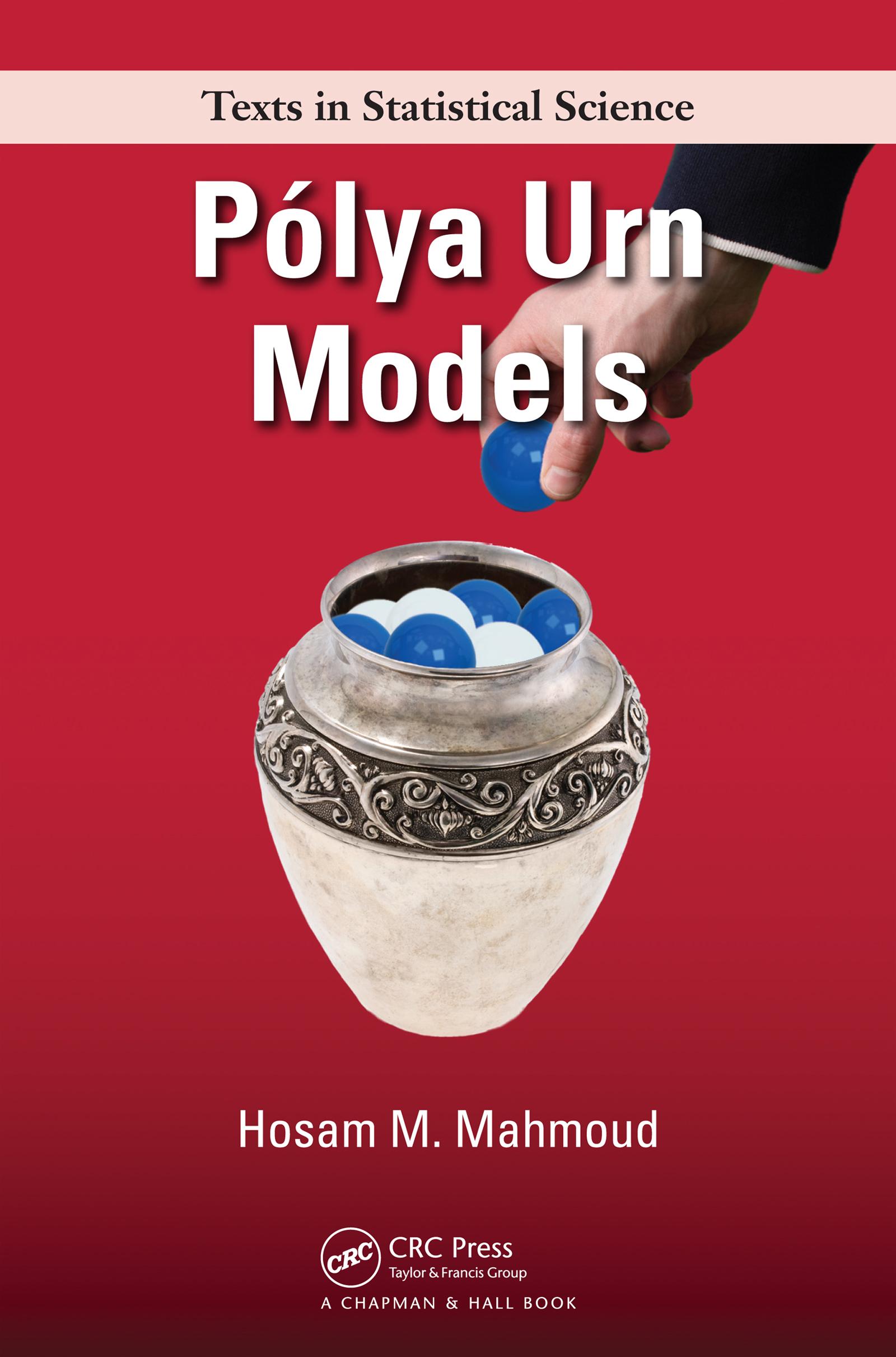
Incorporating a collection of recent results, Polya Urn Models deals with discrete probability through the modern and evolving urn theory and its numerous applications. It looks at how some classical problems of discrete probability have roots in urn models. The book covers the Polya-Eggenberger, Bernard Friedman's, the Bagchi-Pal, and the Ehrenfest urns. It also explains the processes of poissonization and depoissonization and presents applications to random trees, evolution, competitive exclusion, epidemiology, clinical trials, and random circuits. The text includes end-of-chapter exercises that range from easy to challenging, along with solutions in the back of the book.
Betal enkelt med kort, Klarna, Apple Pay eller Google Pay. Ikke fornøyd? Du har alltid 14 dagers angrerett. Les mer i våre vilkår. Har du spørsmål, send oss en e-post på hello@memmo.org.
Memmo gjør det enklere å studere – uansett hvor du er i verden. Hos oss samler du pensumbøker og smarte studieverktøy på ett og samme sted: sammendrag, quizer, podkaster og flashcards. Og så Ted, din studiekompis som svarer på alt du lurer på. Over 50 000 studenter studerer allerede her – bygget for at du skal lære raskere og stresse mindre.