
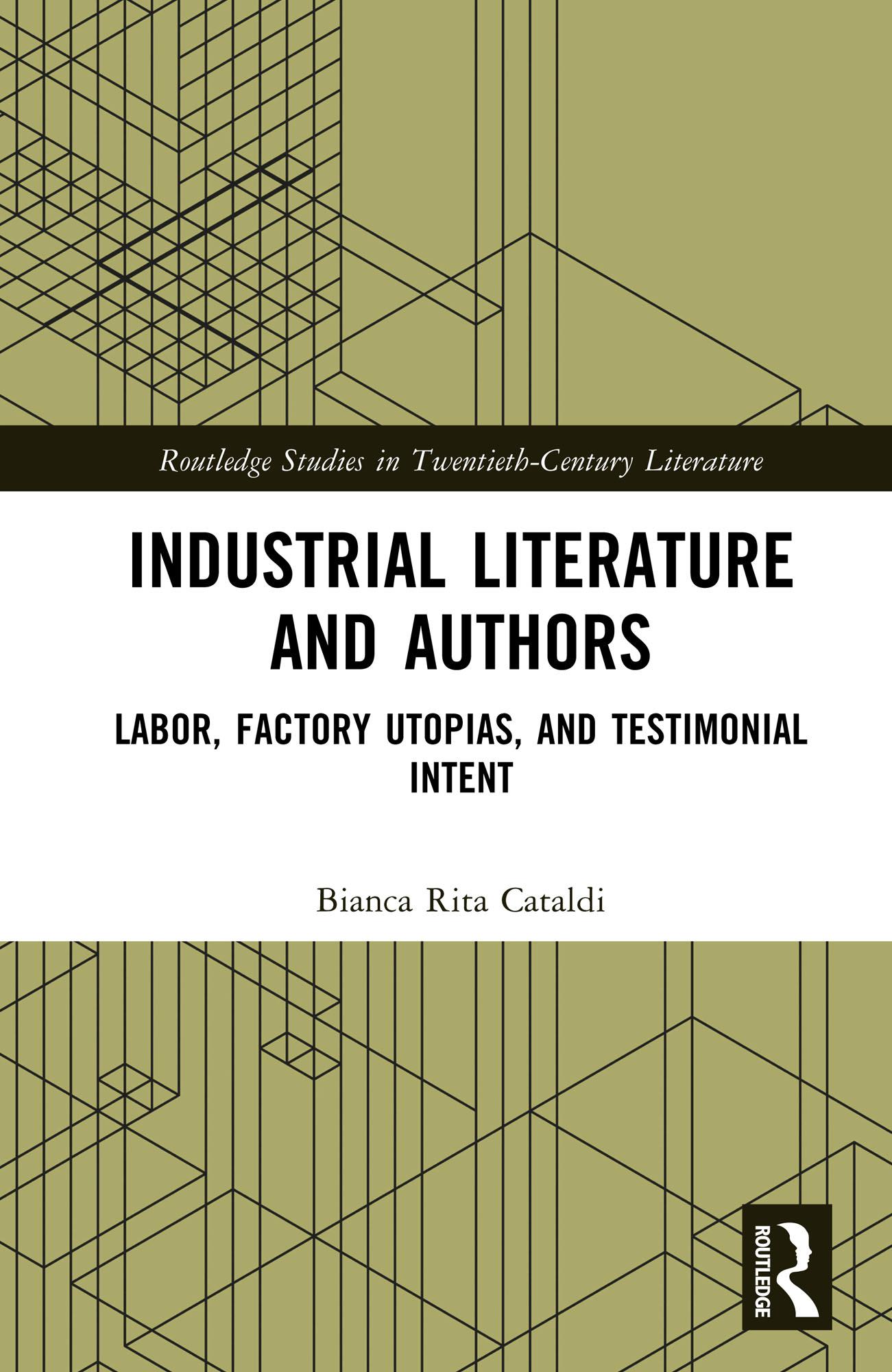
In recent years, the field of literary studies at the international level has become more involved in the analysis of the so-called industrial literature, a literary genre that focuses on the literary representation of factory work and workers’ alienation. This book engages in the ongoing debate by offering a narratological analysis of Italian industrial novels in particular, while taking into consideration their paratexts and interrogating the possibility of the presence of a testimonial intent in the text. The study reconstructs the connections between visions of factory utopias and Italian industrial literature, starting with an overview of said visions of utopia and how they came into being in Europe following the industrial revolution. It then proceeds by exploring the relationship between the twentieth-century Italian entrepreneur Adriano Olivetti and Italian industrial authors, and the influence that Olivetti’s visions of factory utopia had on these writers and how they perceived themselves as witnesses of factory life and workers’ alienation. In analyzing these texts, and particularly the novels by Paolo Volponi and Ottiero Ottieri, the book focuses on the previously overlooked representation of the self in industrial literature and on how this self expresses the need for testimony.
Betal enkelt med kort, Klarna, Apple Pay eller Google Pay. Ikke fornøyd? Du har alltid 14 dagers angrerett. Les mer i våre vilkår. Har du spørsmål, send oss en e-post på hello@memmo.org.
Memmo gjør det enklere å studere – uansett hvor du er i verden. Hos oss samler du pensumbøker og smarte studieverktøy på ett og samme sted: sammendrag, quizer, podkaster og flashcards. Og så Ted, din studiekompis som svarer på alt du lurer på. Over 50 000 studenter studerer allerede her – bygget for at du skal lære raskere og stresse mindre.