
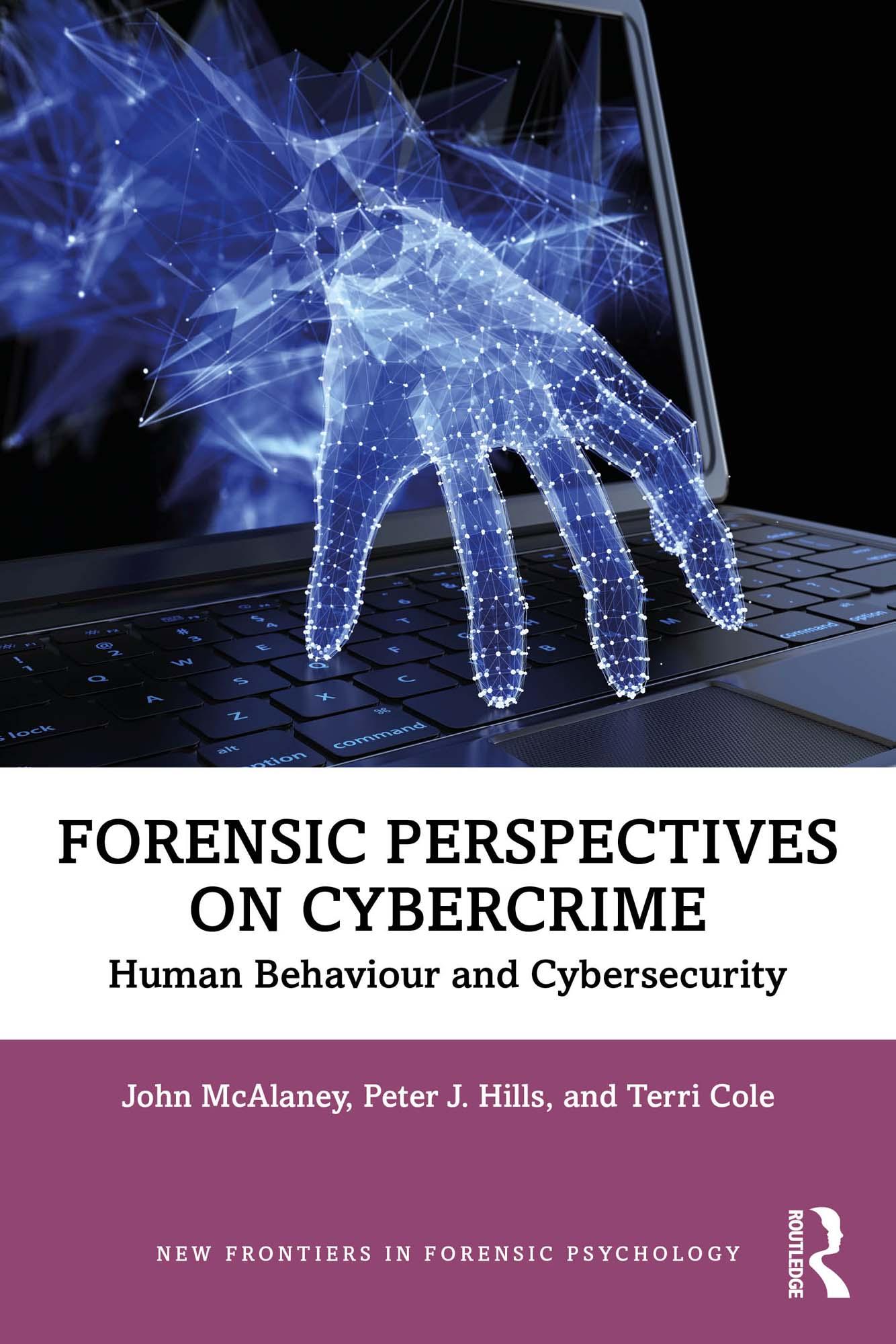
Forensic Perspectives on Cybercrime is the first book to combine the disciplines of cyberpsychology and forensic psychology, helping to define this emergent area. It explores the psychological factors that influence the behaviour of all those involved in cybersecurity, drawing upon the research literatures in relevant areas including forensic, social, and cyberpsychology.
Written by leading figures in the field, the book provides an introduction to the cybercrime ecosystem, before discussing the psychological manipulation of targets through social engineering techniques and highlighting the unique threats that this type of attack presents. The reasons why people become involved in hacking are explored, and the authors review research literature on risk factors of being a victim of cybercrime, along with the concept of resilience. Behaviour change and prevention strategies are also evaluated, as well as the role of emergent technologies such as artificial intelligence and what this may mean for the role of humans in cybersecurity. Case studies and real-world examples are woven throughout to illustrate key issues, opportunities, and challenges.
This unique text is a must-read for students undertaking any degree that relates to behaviour and cybersecurity, including psychology, computing, law, and business management. It is also highly relevant to researchers, practitioners, and policymakers who work in cybersecurity and/or have an interest in empowering people to be safe online.
Betal enkelt med kort, Klarna, Apple Pay eller Google Pay. Ikke fornøyd? Du har alltid 14 dagers angrerett. Les mer i våre vilkår. Har du spørsmål, send oss en e-post på hello@memmo.org.
Memmo gjør det enklere å studere – uansett hvor du er i verden. Hos oss samler du pensumbøker og smarte studieverktøy på ett og samme sted: sammendrag, quizer, podkaster og flashcards. Og så Ted, din studiekompis som svarer på alt du lurer på. Over 50 000 studenter studerer allerede her – bygget for at du skal lære raskere og stresse mindre.