
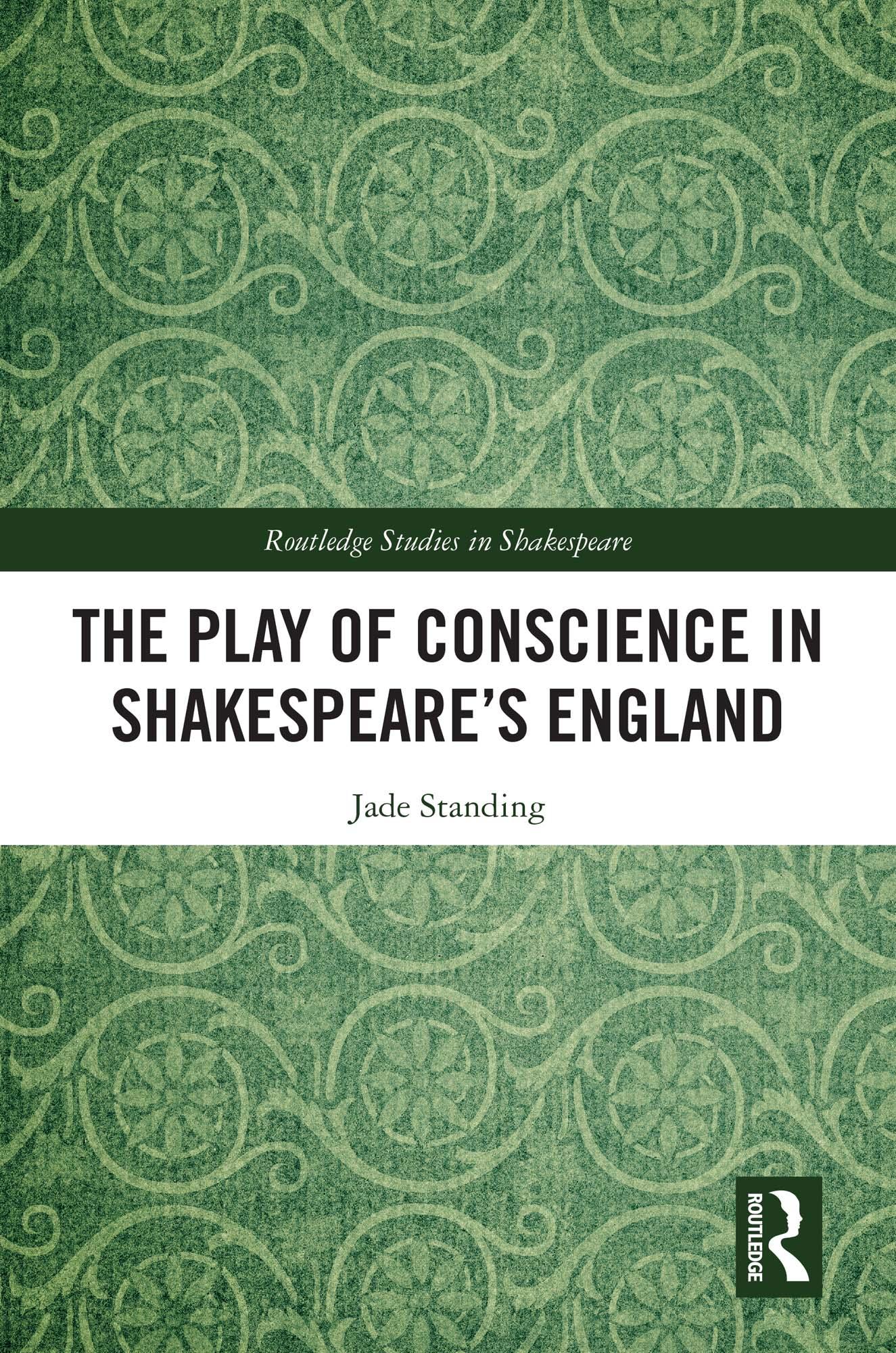
Having a conscience distinguishes humans from the most advanced AI systems. Acting in good conscience, consulting one’s conscience, and being conscience-wracked are all aspects of human intelligence that involve reckoning (deriving general laws from particular inputs and vice versa), and judgement (contemplating the relationship of the reckoning system to the world). While AI developers have mastered reckoning, they are still working towards the creation of judgement. This book sheds light on the reckoning and judgement of conscience by demonstrating how these concepts are explored in Everyman, Doctor Faustus, The Merchant of Venice, and Hamlet. Academic, student, or general-interest readers discover the complexity and multiplicity of the early modern concept of conscience, which is informed by the scholastic intellectual tradition, juridical procedures of the court of Chancery, the practical advice of Protestant casuistry, and Reformation theology. The aims are to examine the rubrics for thinking through, regulating, and judging actions that define the various consciences of Shakespeare’s day, to use these rubrics to interpret questions of truth and action in early modern plays, and to offer insights into what it is about conscience that developers want to grasp to eliminate the difference between human and non-human intelligences, and achieve true AI.
Betal enkelt med kort, Klarna, Apple Pay eller Google Pay. Ikke fornøyd? Du har alltid 14 dagers angrerett. Les mer i våre vilkår. Har du spørsmål, send oss en e-post på hello@memmo.org.
Memmo gjør det enklere å studere – uansett hvor du er i verden. Hos oss samler du pensumbøker og smarte studieverktøy på ett og samme sted: sammendrag, quizer, podkaster og flashcards. Og så Ted, din studiekompis som svarer på alt du lurer på. Over 50 000 studenter studerer allerede her – bygget for at du skal lære raskere og stresse mindre.