
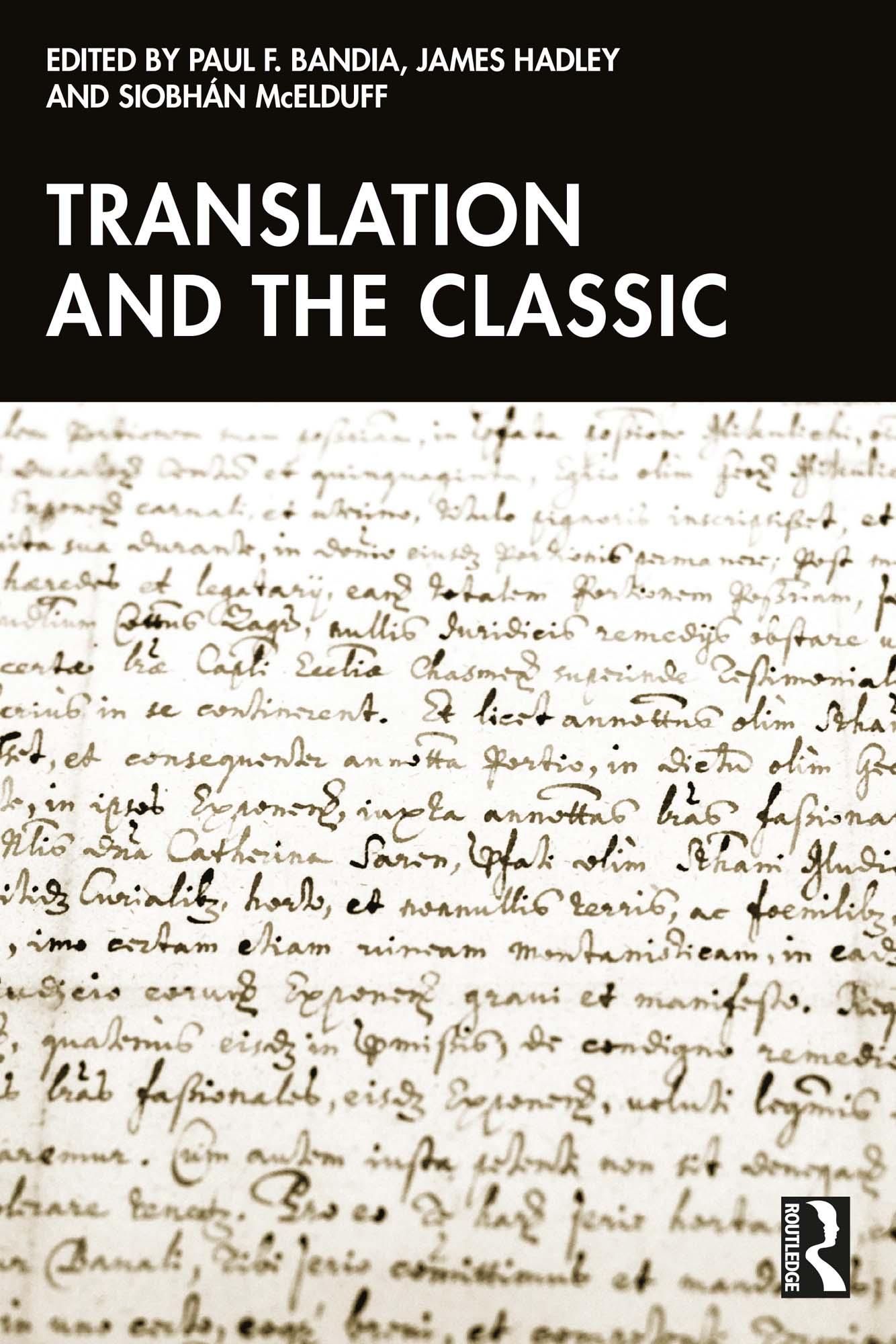
Through a range of accessible and innovative chapters dealing with a spectrum of genres, authors, and periods, this volume seeks to examine the complex relationship between translation and the classic, and how translation makes and remakes (and sometimes invents) classic works for new audiences across space and time.
Translation and the Classic is the first volume in a two-volume series examining how classic works fare in translation, how translation is different when it engages with classic texts, and how classic texts can be shaped, understood in new ways, or even created through the process of translation. Although other collections have covered some of this territory, they have done so in partial ways or with a focus on Greek, Roman, and Arabic texts or translations. This collection alone takes the reader from 1000 BCE up to the digital age in a sequence of chapters that encompass areas including philosophy, children’s literature, and pseudotranslation. It asks us to consider translation not just as a mechanism of distribution, but as one of the primary ways that the classic is created and understood by multiple audiences.
This book is essential reading for those taking Translation Studies courses at the senior undergraduate and postgraduate level, as well as courses outside Translation Studies such as Comparative Literature and Literary Studies.
Betal enkelt med kort, Klarna, Apple Pay eller Google Pay. Ikke fornøyd? Du har alltid 14 dagers angrerett. Les mer i våre vilkår. Har du spørsmål, send oss en e-post på hello@memmo.org.
Memmo gjør det enklere å studere – uansett hvor du er i verden. Hos oss samler du pensumbøker og smarte studieverktøy på ett og samme sted: sammendrag, quizer, podkaster og flashcards. Og så Ted, din studiekompis som svarer på alt du lurer på. Over 50 000 studenter studerer allerede her – bygget for at du skal lære raskere og stresse mindre.