
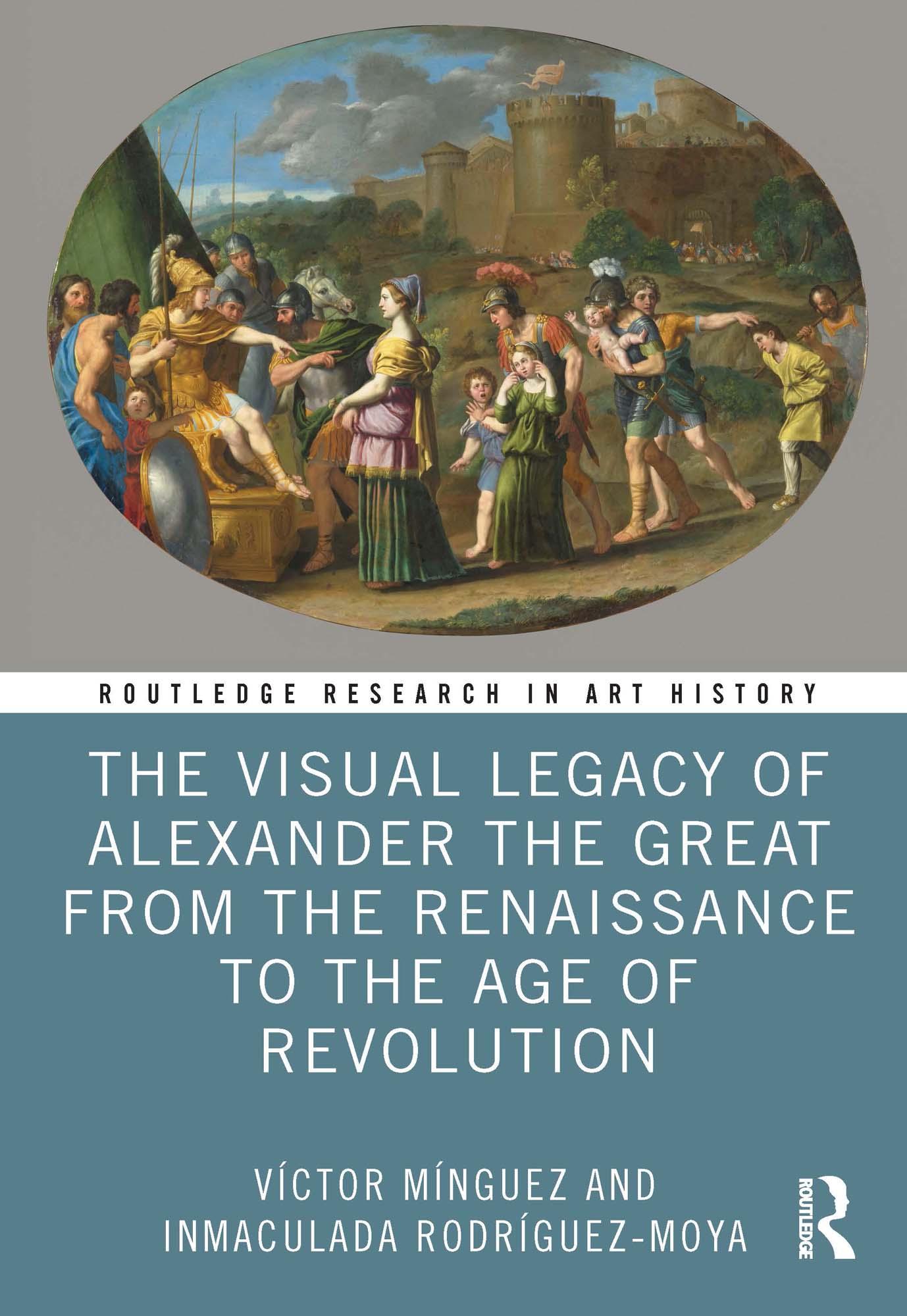
This is an analysis of the diverse facets of Alexander the Great’s image from the Renaissance era through the Baroque into the nineteenth century.
Perceived as the first sovereign ruler of the world, for centuries Alexander became an exemplar for the most ambitious kings and emperors. This cultural phenomenon flourished above all in the Renaissance while extending into the nineteenth century. Early modern monarchs’ identification with Alexander associated them with ideas of kingly wisdom. Yet this admiration waned on occasions. Napoleon was Alexander of Macedonia’s most ardent critic. During the nineteenth century, the Macedonian hero was viewed as an individual who won control of the Achaemenid empire, but also underwent a progressive moral decline that converted him into a tyrant.
The book will be of interest to scholars working in art history and iconography.
Betal enkelt med kort, Klarna, Apple Pay eller Google Pay. Ikke fornøyd? Du har alltid 14 dagers angrerett. Les mer i våre vilkår. Har du spørsmål, send oss en e-post på hello@memmo.org.
Memmo gjør det enklere å studere – uansett hvor du er i verden. Hos oss samler du pensumbøker og smarte studieverktøy på ett og samme sted: sammendrag, quizer, podkaster og flashcards. Og så Ted, din studiekompis som svarer på alt du lurer på. Over 50 000 studenter studerer allerede her – bygget for at du skal lære raskere og stresse mindre.