
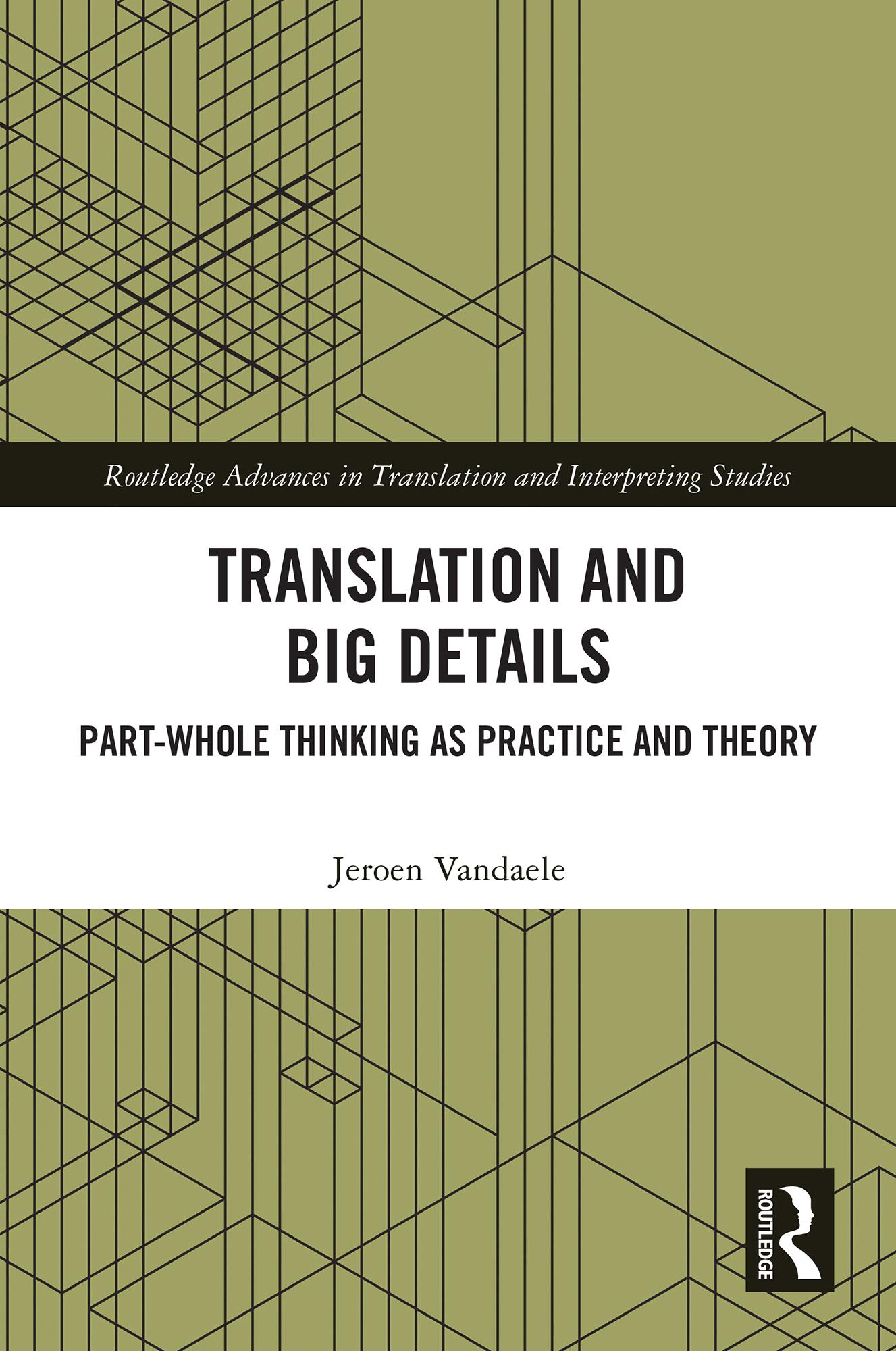
In the age of big data, evidence keeps suggesting that small, elusive and infrequent details make all the difference in our appreciation of humanistic texts—film, fiction, and philosophy. This book argues, from a cross-disciplinary perspective, that expertise in humanistic translation is precisely the capacity to capture those details that are bigger than they seem. In humanistic translation, the expert handling of big details usually serves audiences and the original, but mala fide translation also works the details for subtle manipulation and audience deception. A focus on textual detail is therefore characteristic of humanistic translators but also compatible with central claims of the cultural turn in translation studies. This book, written by a scholar and teacher of literary, essayistic, and audiovisual translation, endeavors to articulate a seemingly dual interest—on textual detail and cultural analysis—as a single one. It theorizes connections between micro and macro analysis, between translation as detail and translation as culture, thus hoping to build bridges between humanistic translators and translation scholars. It acknowledges tensions between practice and theory and proposes a way forward: practitioners and scholars share ways of thinking—varieties of "part-whole thinking"—that machines can never acquire.
Betal enkelt med kort, Klarna, Apple Pay eller Google Pay. Ikke fornøyd? Du har alltid 14 dagers angrerett. Les mer i våre vilkår. Har du spørsmål, send oss en e-post på hello@memmo.org.
Memmo gjør det enklere å studere – uansett hvor du er i verden. Hos oss samler du pensumbøker og smarte studieverktøy på ett og samme sted: sammendrag, quizer, podkaster og flashcards. Og så Ted, din studiekompis som svarer på alt du lurer på. Over 50 000 studenter studerer allerede her – bygget for at du skal lære raskere og stresse mindre.