
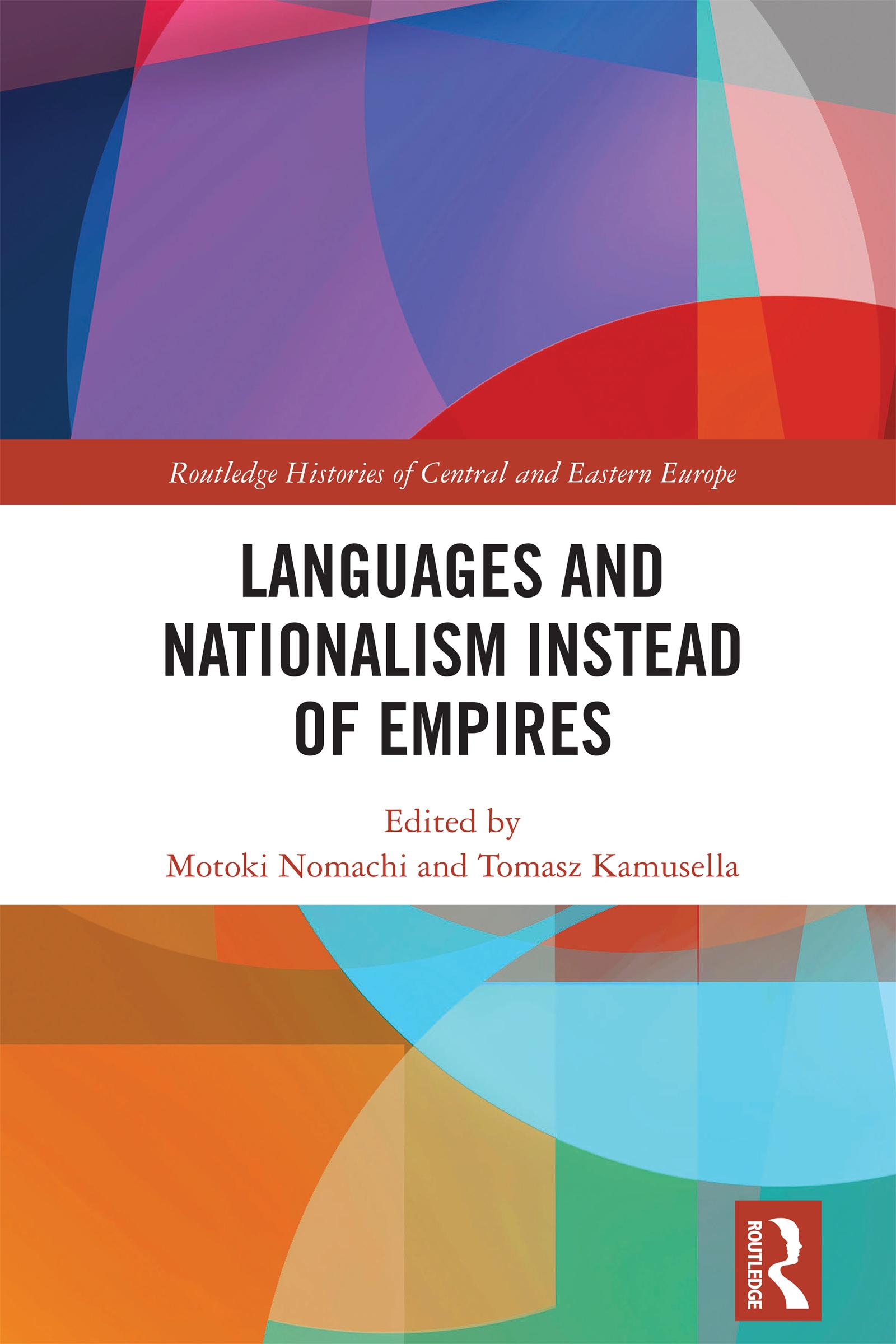
This volume probes into the mechanisms of how languages are created, legitimized, maintained, or destroyed in the service of the extant nation-states across Central Europe.
Through chapters from contributors in North America, Europe, and Asia, the book offers an interdisciplinary introduction to the rise of the ethnolinguistic nation-state during the past century as the sole legitimate model of statehood in today’s Central Europe. The collection’s focus is on the last three decades, namely the postcommunist period, taking into consideration the effects of the recent rise of cyberspace and the resulting radical forms of populism across contemporary Central Europe. It analyzes languages and their uses not as given by history, nature, or deity but as constructs produced, changed, maintained, and abandoned by humans and their groups. In this way, the volume contributes saliently to the store of knowledge on the latest social (sociolinguistic) and political history of the region’s languages, including their functioning in respective national polities and on the internet.
Languages and Nationalism Instead of Empires is a compelling resource for historians, linguists, and political scientists who work on Central and Eastern Europe.
Betal enkelt med kort, Klarna, Apple Pay eller Google Pay. Ikke fornøyd? Du har alltid 14 dagers angrerett. Les mer i våre vilkår. Har du spørsmål, send oss en e-post på hello@memmo.org.
Memmo gjør det enklere å studere – uansett hvor du er i verden. Hos oss samler du pensumbøker og smarte studieverktøy på ett og samme sted: sammendrag, quizer, podkaster og flashcards. Og så Ted, din studiekompis som svarer på alt du lurer på. Over 50 000 studenter studerer allerede her – bygget for at du skal lære raskere og stresse mindre.