
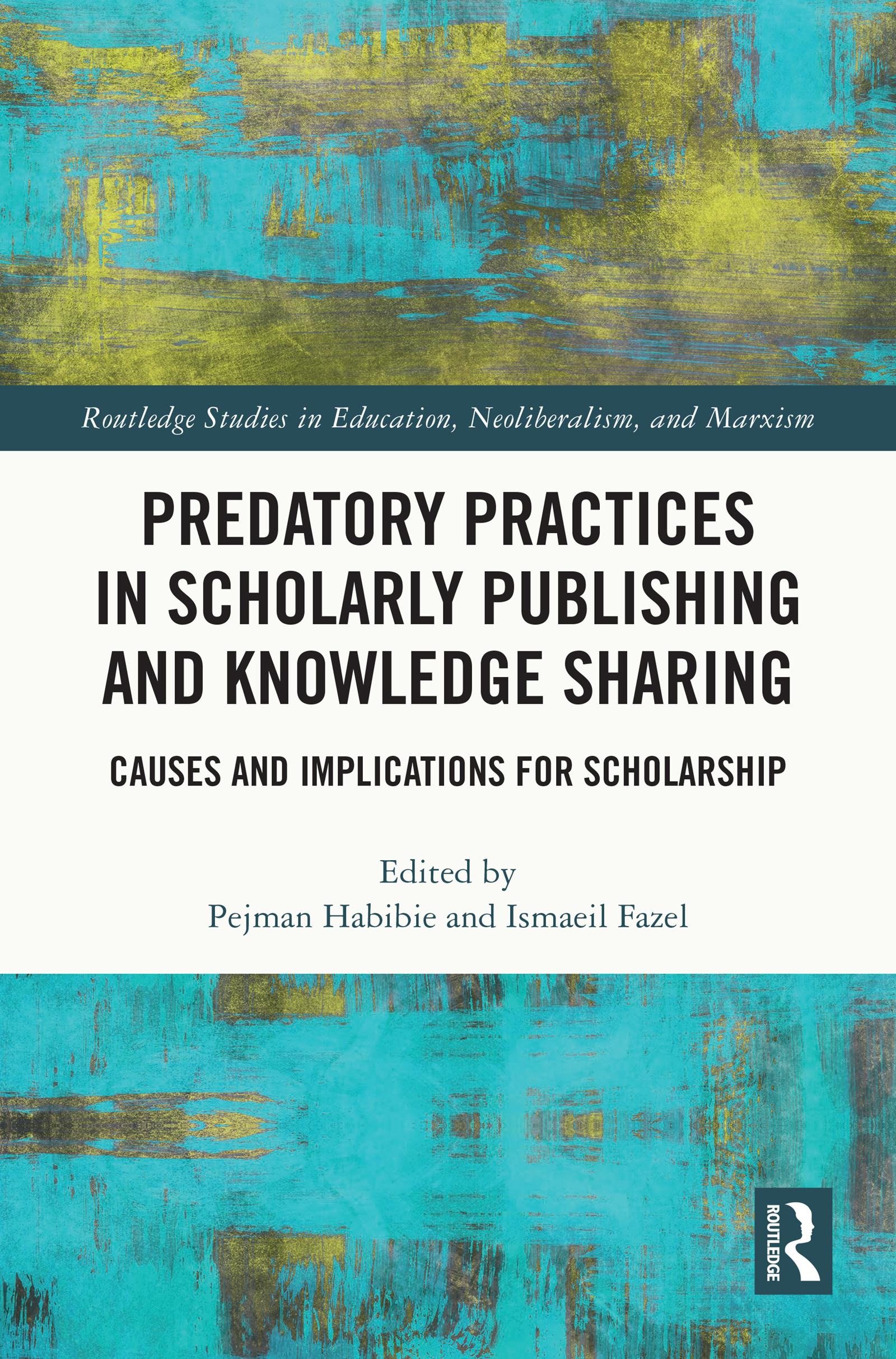
This volume offers comprehensive examination of “predatory” practices in scholarly publishing, and highlights emergent issues around predatory journals, Open Access (OA), and scam conferences.
Chapters engage multiple methodologies, including corpus, discourse, and genre analysis, as well as historical and autoethnographic approaches to offer in-depth, empirical analyses of the causes, practices, and implications of predatory practices for scholars. Contributors span a broad range of disciplines and geolocations, presenting a diverse range of perspectives. The volume also outlines effective initiatives for the identification of predatory practices and considers steps to increase understanding of viable publishing options.
Providing a needed exploration of predatory research practices, this book will appeal to scholars and researchers with interests in higher education, publishing, and communication ethics.
Betal enkelt med kort, Klarna, Apple Pay eller Google Pay. Ikke fornøyd? Du har alltid 14 dagers angrerett. Les mer i våre vilkår. Har du spørsmål, send oss en e-post på hello@memmo.org.
Memmo gjør det enklere å studere – uansett hvor du er i verden. Hos oss samler du pensumbøker og smarte studieverktøy på ett og samme sted: sammendrag, quizer, podkaster og flashcards. Og så Ted, din studiekompis som svarer på alt du lurer på. Over 50 000 studenter studerer allerede her – bygget for at du skal lære raskere og stresse mindre.