
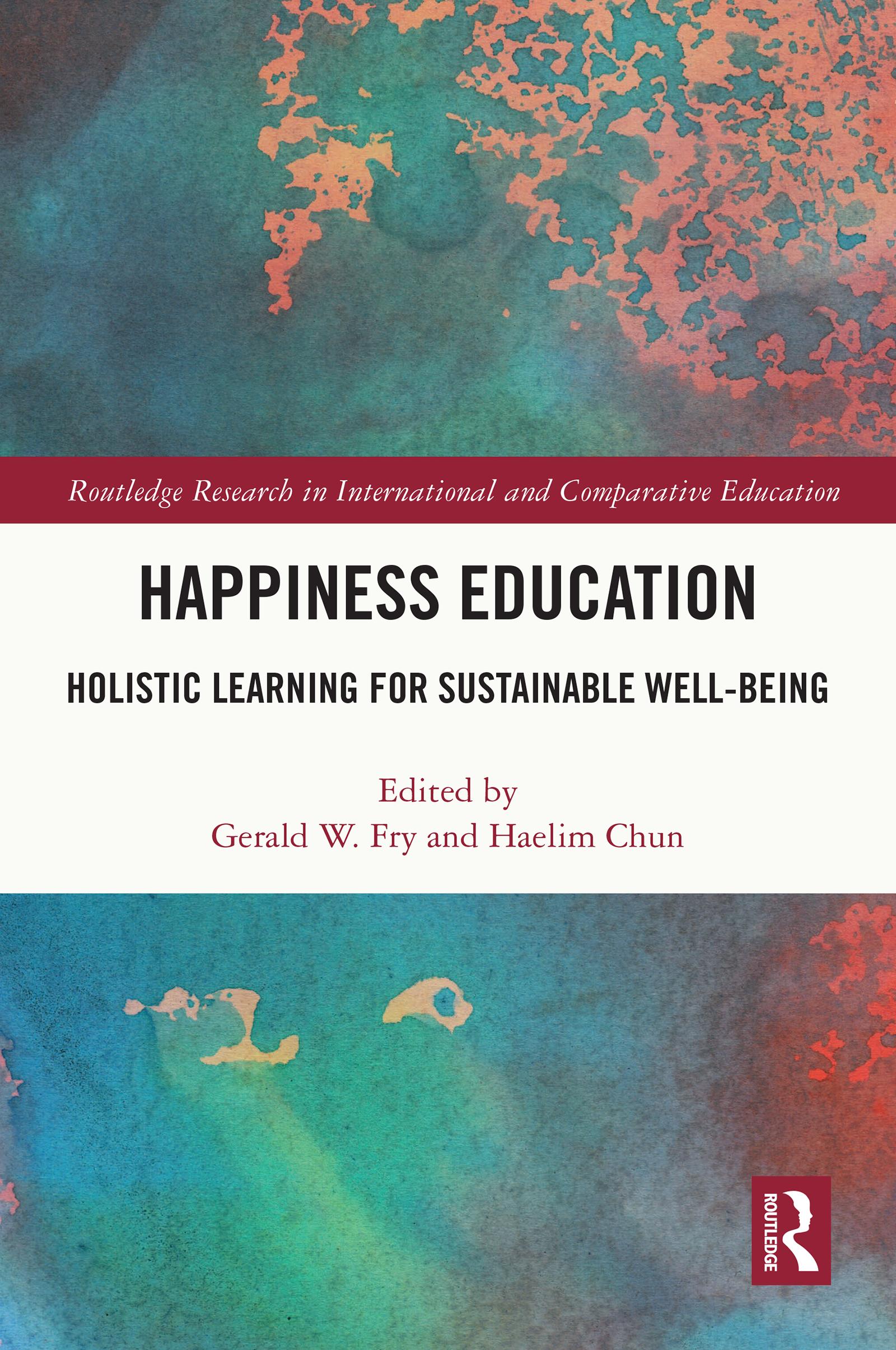
This edited collection challenges the common preoccupation with knowledge acquisition and academic achievement by comparing the aims and cultural beliefs which drive education in different countries throughout the world.
Through case studies from countries in Asia, Latin America, Africa, and Europe, the authors present how education can be approached holistically to foster student happiness and well-being. The book illustrates wide-ranging interpretations of what it means to provide a "good education," and how student-centered, holistic approaches to learning can be effective in promoting creativity, tolerance, student well-being, and an appreciation of environmental and societal responsibilities. Based on rigorous mixed-method empirical research, it highlights how the integration of happiness in education can not only enhance academic excellence but can also have a positive impact on the students’ overall well-being.
This cutting-edge book focuses on the holistic development and well-being of students and will be a relevant reading for educators, researchers, and students in such diverse fields as psychology, the sociology and philosophy of education, intercultural education, education policy and politics, leadership/management, mental health, and international and comparative education.
Betal enkelt med kort, Klarna, Apple Pay eller Google Pay. Ikke fornøyd? Du har alltid 14 dagers angrerett. Les mer i våre vilkår. Har du spørsmål, send oss en e-post på hello@memmo.org.
Memmo gjør det enklere å studere – uansett hvor du er i verden. Hos oss samler du pensumbøker og smarte studieverktøy på ett og samme sted: sammendrag, quizer, podkaster og flashcards. Og så Ted, din studiekompis som svarer på alt du lurer på. Over 50 000 studenter studerer allerede her – bygget for at du skal lære raskere og stresse mindre.