
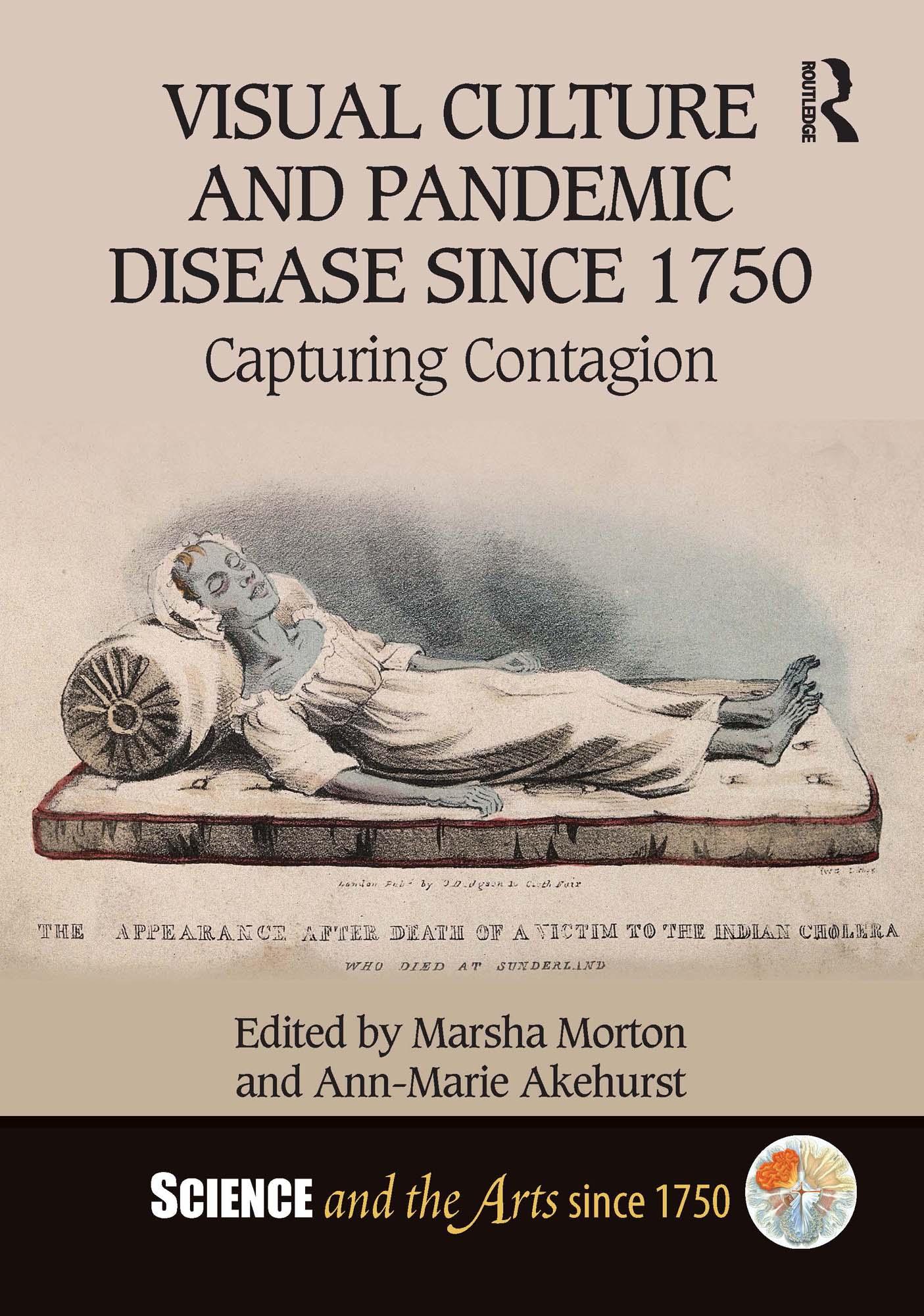
Through case studies, this book investigates the pictorial imaging of epidemics globally, especially from the late eighteenth century through the 1920s when, amidst expanding Western industrialism, colonialism, and scientific research, the world endured a succession of pandemics in tandem with the rise of popular visual culture and new media.
Images discussed range from the depiction of people and places to the invisible realms of pathogens and emotions, while topics include the messaging of disease prevention and containment in public health initiatives, the motivations of governments to ensure control, the criticism of authority in graphic satire, and the private experience of illness in the domestic realm. Essays explore biomedical conditions as well as the recurrent constructed social narratives of bias, blame, and othering regarding race, gender, and class that are frequently highlighted in visual representations.
This volume offers a pictured genealogy of pandemic experience that has continuing resonance. The book will be of interest to scholars working in art history, visual studies, history of medicine, and medical humanities.
Betal enkelt med kort, Klarna, Apple Pay eller Google Pay. Ikke fornøyd? Du har alltid 14 dagers angrerett. Les mer i våre vilkår. Har du spørsmål, send oss en e-post på hello@memmo.org.
Memmo gjør det enklere å studere – uansett hvor du er i verden. Hos oss samler du pensumbøker og smarte studieverktøy på ett og samme sted: sammendrag, quizer, podkaster og flashcards. Og så Ted, din studiekompis som svarer på alt du lurer på. Over 50 000 studenter studerer allerede her – bygget for at du skal lære raskere og stresse mindre.