
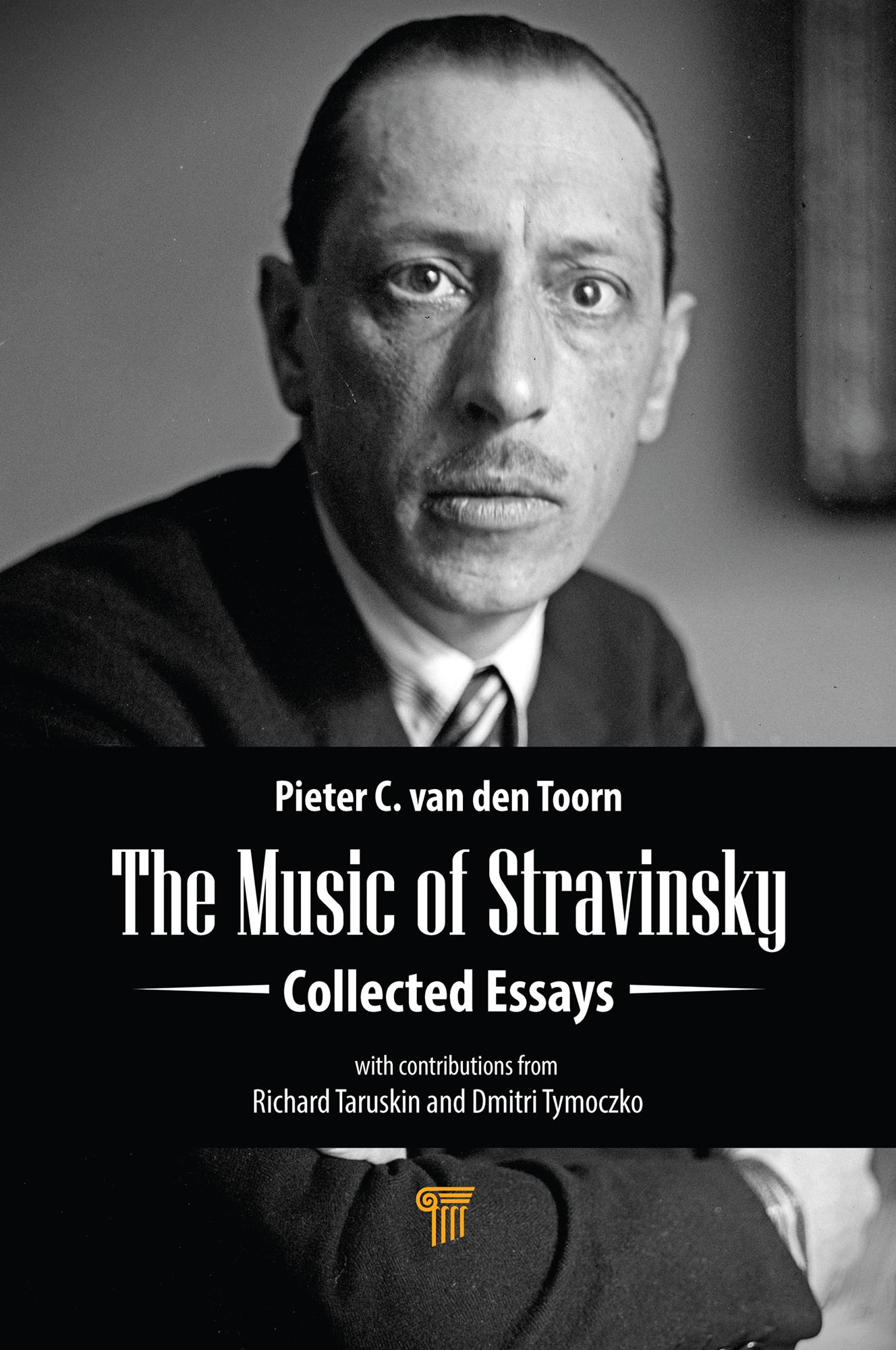
The most celebrated of Western composers in the twentieth century, Igor Stravinsky may have been the greatest as well. Stretching across forty or so years, the essays in this volume address the dynamics of Igor Stravinsky’s music from a variety of analytical, critical, and aesthetic angles. Underscored are the features of melody, harmony, rhythm, and form that would remain consistently a part of Stravinsky’s oeuvre regardless of the changes in orientation from the Russian period to the neoclassical and the early serial. The Rite of Spring (1913), Les Noces (1917–23), the Symphony of Psalms (1930), and the Symphony in Three Movements (1945) are discussed in detail, as are many of the circumstances attending their conception. Other concerns include the composer’s "formalist" aesthetics and the strict performing style he pursued as an interpreter and conductor of his music.
Betal enkelt med kort, Klarna, Apple Pay eller Google Pay. Ikke fornøyd? Du har alltid 14 dagers angrerett. Les mer i våre vilkår. Har du spørsmål, send oss en e-post på hello@memmo.org.
Memmo gjør det enklere å studere – uansett hvor du er i verden. Hos oss samler du pensumbøker og smarte studieverktøy på ett og samme sted: sammendrag, quizer, podkaster og flashcards. Og så Ted, din studiekompis som svarer på alt du lurer på. Over 50 000 studenter studerer allerede her – bygget for at du skal lære raskere og stresse mindre.