
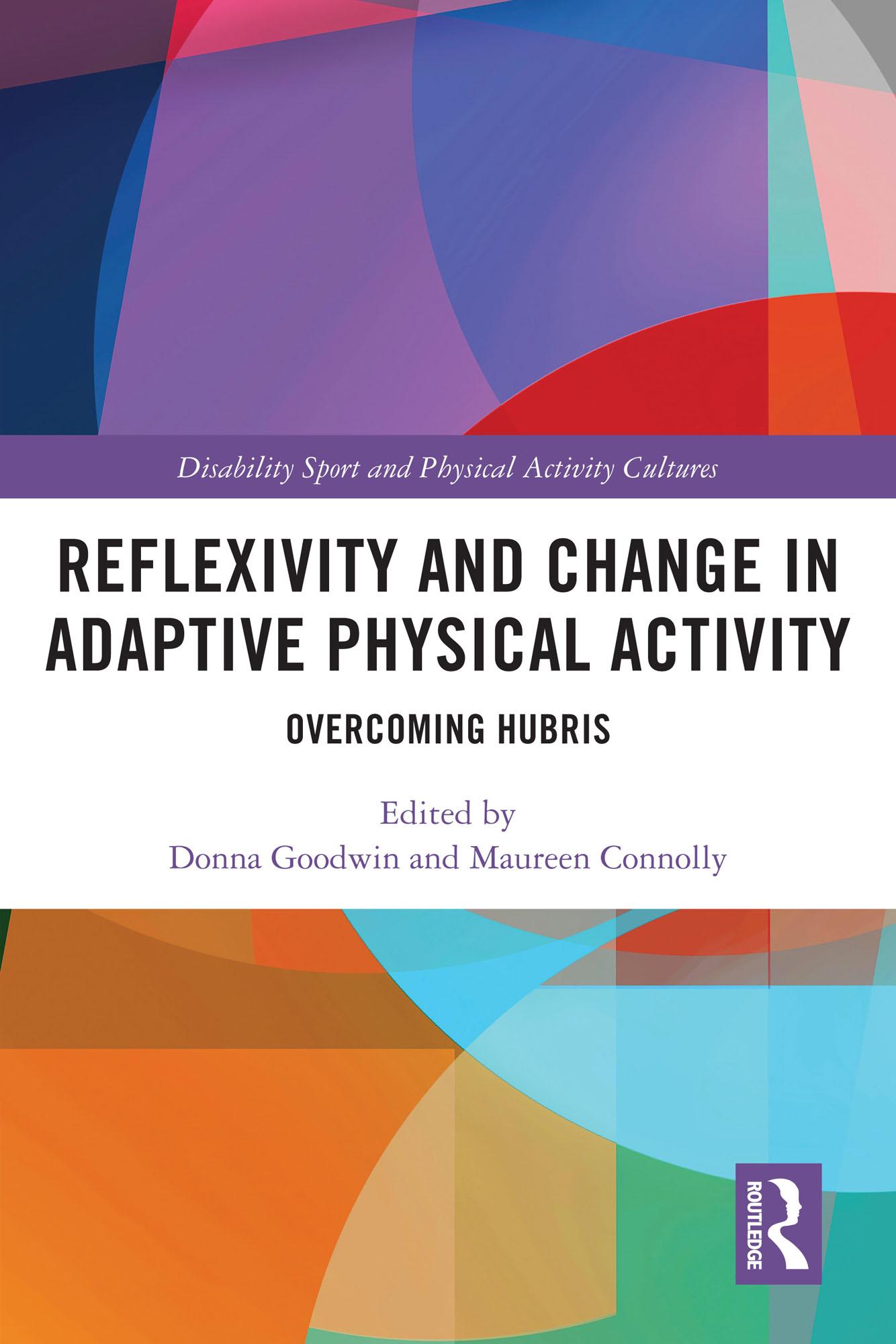
This provocative and challenging book argues for the vital importance of critical self-reflexion in the field of adaptive physical activity (APA).
It makes a powerful case for embracing discussions of the harm caused by ableist assumptions of the ideal body, maximizing capabilities and perfecting normative-based movement that dominate contemporary discourse in APA, and calls for more critical introspection about what APA is, how it is performed, and what might be needed to bring a collaborative relational ethic to this field. The book focuses on two key themes. Firstly, how ableism as a foundational belief system of APA is present in the undergraduate curriculum, professional preparation, professional practice, and organizational policies. Secondly, how to make the comfortable uncomfortable by openly debating the harm that results from non-reflexive (nondisabled) hubris in APA. The goal is to spark an exchange of ideas among scholars, practitioners, and organizational leaders and therefore to shift the paradigm from one of professional expertism to one that centres disability wisdom holders, bringing a fundamental change to how we perform adaptive physical activity.
This book is important, progressive reading for anybody with an interest in adaptive physical activity, adapted physical education, disability sport, inclusive education, the philosophy and ethics of disability and sport, or disability in wider society.
Betal enkelt med kort, Klarna, Apple Pay eller Google Pay. Ikke fornøyd? Du har alltid 14 dagers angrerett. Les mer i våre vilkår. Har du spørsmål, send oss en e-post på hello@memmo.org.
Memmo gjør det enklere å studere – uansett hvor du er i verden. Hos oss samler du pensumbøker og smarte studieverktøy på ett og samme sted: sammendrag, quizer, podkaster og flashcards. Og så Ted, din studiekompis som svarer på alt du lurer på. Over 50 000 studenter studerer allerede her – bygget for at du skal lære raskere og stresse mindre.