
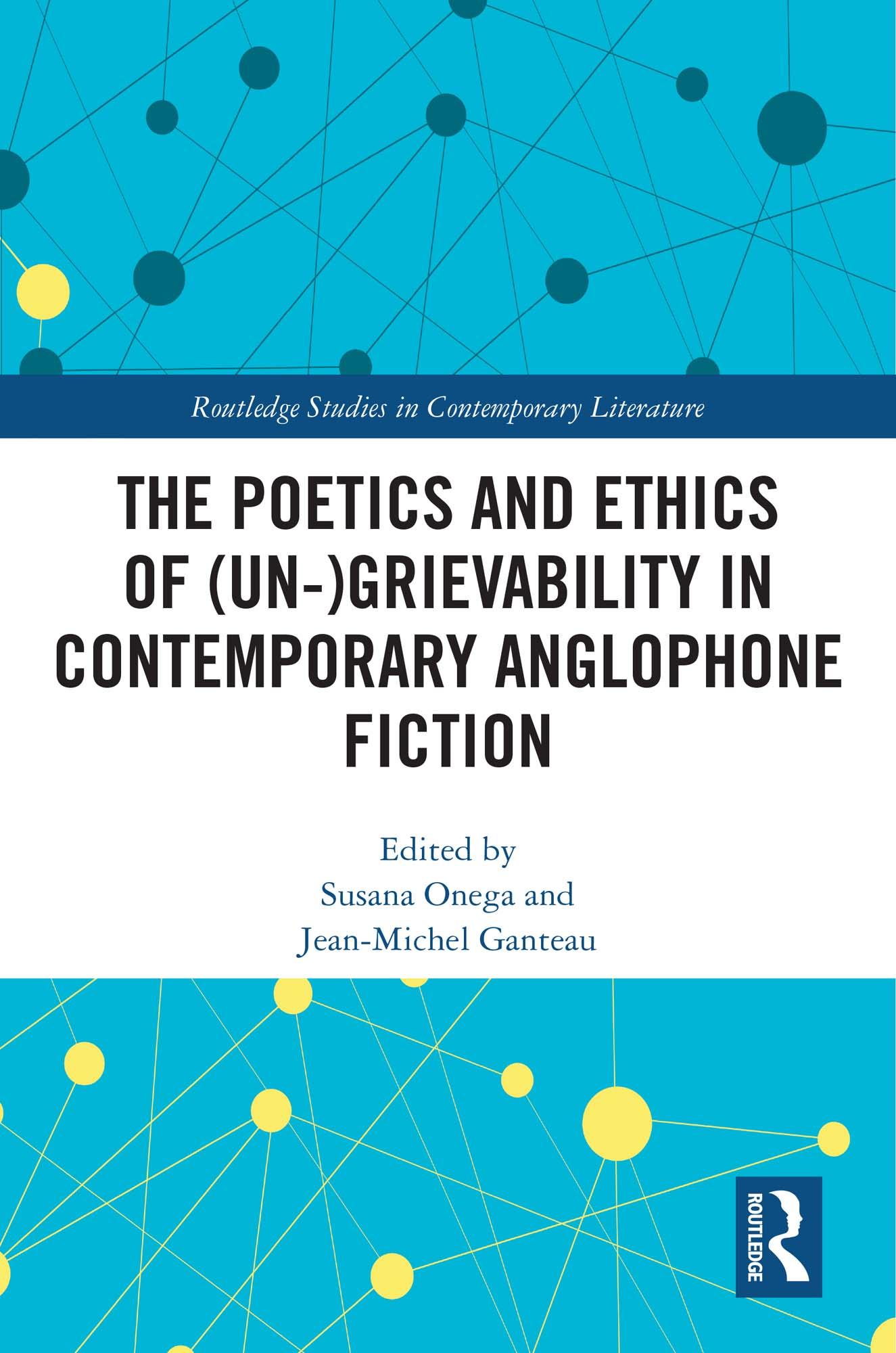
The working hypothesis of the book is that, since the 1990s, an increasing number of Anglophone fictions are responding to the new ethical and political demands arising out of the facts of war, exclusion, climate change, contagion, posthumanism and other central issues of our post-trauma age by adapting the conventions of traditional forms of expressing grievability, such as elegy, testimony or (pseudo-)autobiography. Situating themselves in the wake of Judith Butler’s work on (un-)grievablability, the essays collected in this volume seek to cast new light on these issues by delving into the socio-cultural constructions of grievability and other types of vulnerabilities, invisibilities and inaudibilities linked with the neglect and/or abuse of non-normative individuals and submerged groups that have been framed as disposable, exploitable and/or unmournable by such determinant factors as sex, gender, ethnic origin, health, etc., thereby refining and displacing the category of subalternity associated with the poetics of postmodernism.
Betal enkelt med kort, Klarna, Apple Pay eller Google Pay. Ikke fornøyd? Du har alltid 14 dagers angrerett. Les mer i våre vilkår. Har du spørsmål, send oss en e-post på hello@memmo.org.
Memmo gjør det enklere å studere – uansett hvor du er i verden. Hos oss samler du pensumbøker og smarte studieverktøy på ett og samme sted: sammendrag, quizer, podkaster og flashcards. Og så Ted, din studiekompis som svarer på alt du lurer på. Over 50 000 studenter studerer allerede her – bygget for at du skal lære raskere og stresse mindre.