
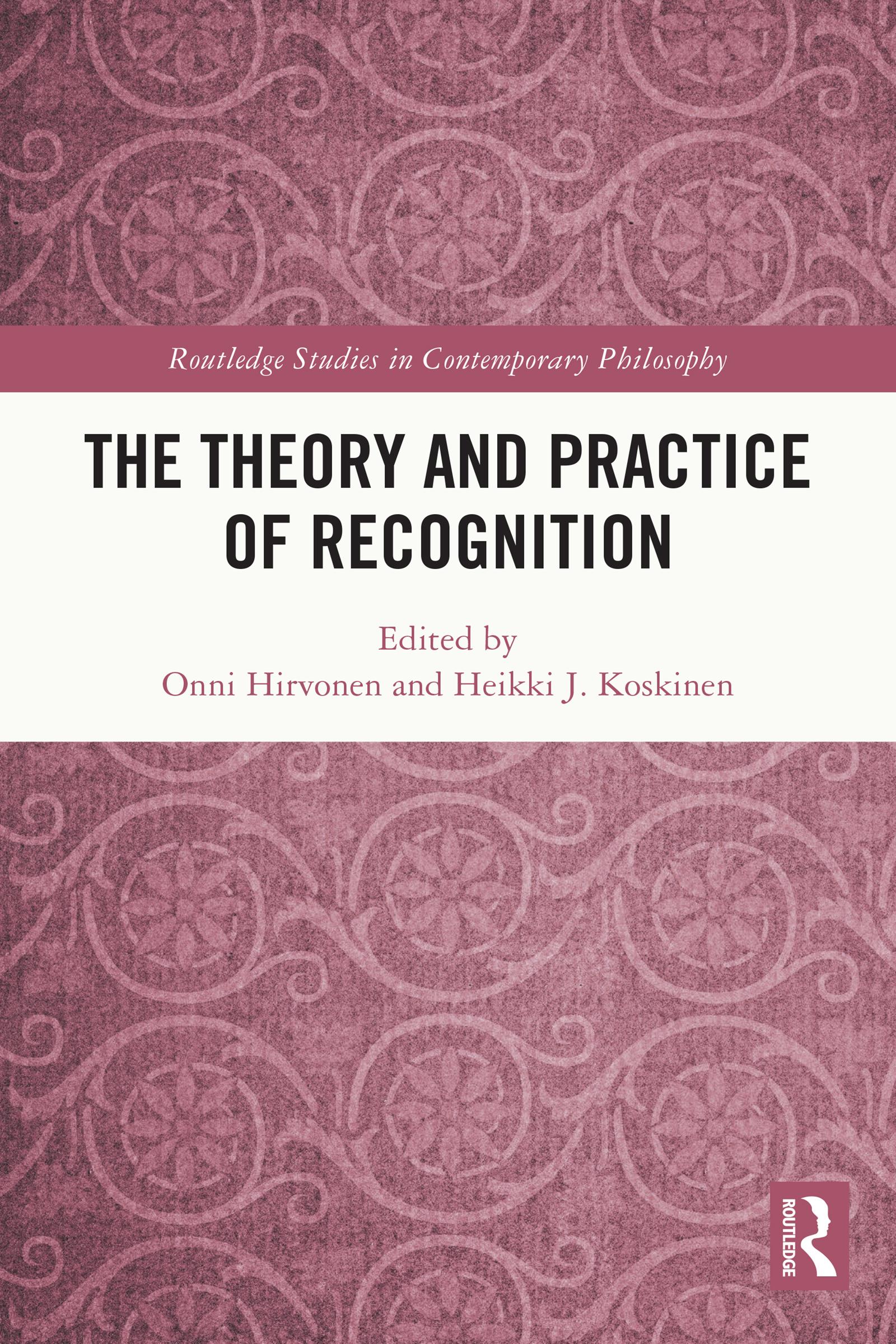
This volume presents new essays on the theory and practice of recognition. In order to retain its overall plausibility as a critical social theory, contemporary recognition theory needs to be able to successfully combine theory with real-life perspectives, in both contemporary and historical contexts.
Contemporary recognition theory has developed into an established and active multidisciplinary research programme. The chapters in this volume have two main purposes. First, they engage in theoretical development of the contemporary theories of recognition. They explore the conceptual histories and the environments of recognition, as well as the connection between recognition and authenticity, emancipation, and social ontology. Second, they connect the theoretical insights of contemporary recognition with analyses of contemporary and historical social practices. These contributions explore themes such as populism and polarization, models of harmful invisibilization and social ignorance, the problem of evil and suffering, and social justice phenomena such as the #MeToo movement.
The Theory and Practice of Recognition will be of interest to scholars and advanced students working in social and political philosophy, social ontology, political theory, and sociology.
Betal enkelt med kort, Klarna, Apple Pay eller Google Pay. Ikke fornøyd? Du har alltid 14 dagers angrerett. Les mer i våre vilkår. Har du spørsmål, send oss en e-post på hello@memmo.org.
Memmo gjør det enklere å studere – uansett hvor du er i verden. Hos oss samler du pensumbøker og smarte studieverktøy på ett og samme sted: sammendrag, quizer, podkaster og flashcards. Og så Ted, din studiekompis som svarer på alt du lurer på. Over 50 000 studenter studerer allerede her – bygget for at du skal lære raskere og stresse mindre.