
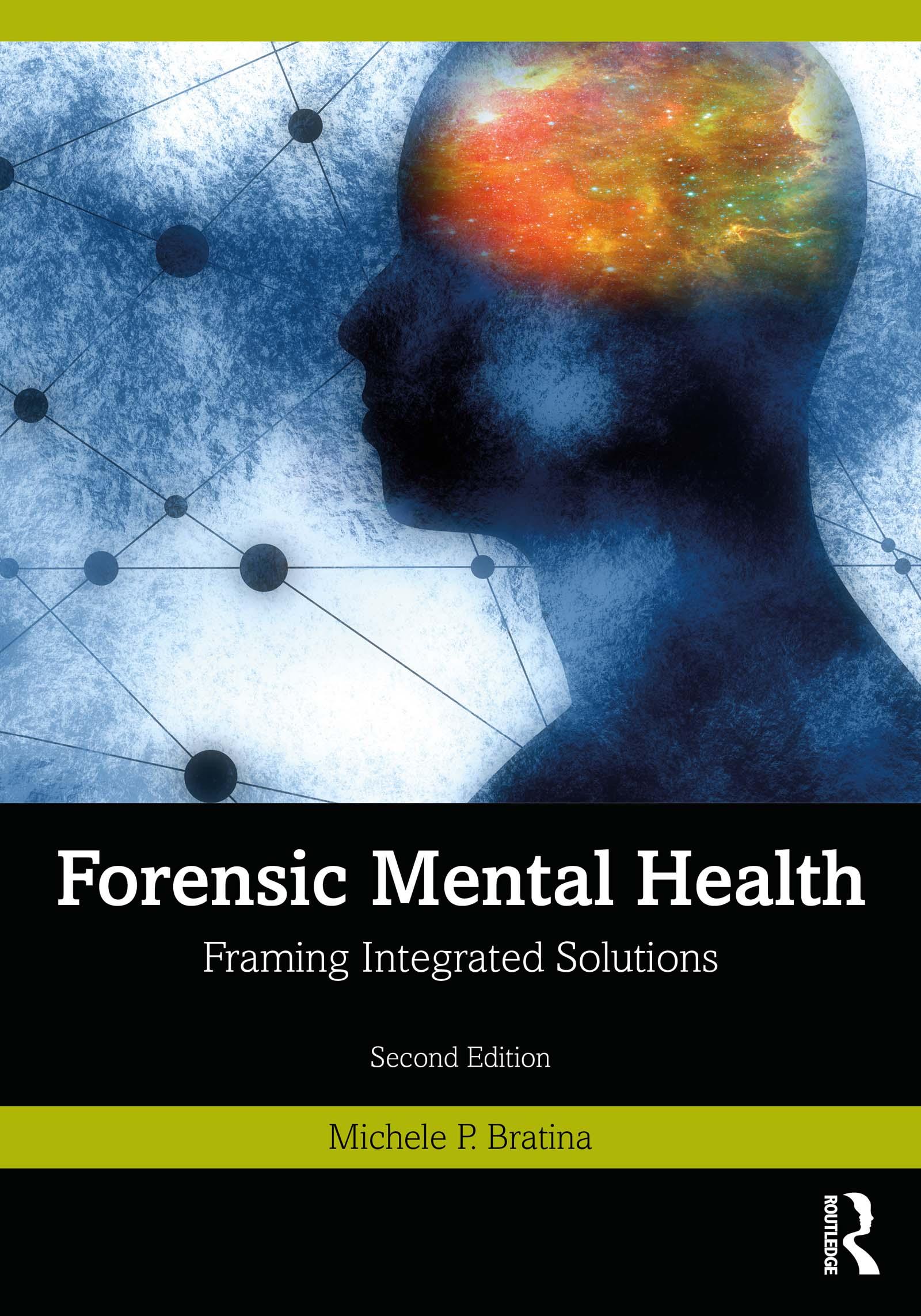
In this book author Michele P. Bratina demonstrates how the Sequential Intercept Model (SIM) supports integration of the U.S. healthcare and justice systems to offer more positive outcomes for offenders with mental illness. The book describes a criminal justice–mental health nexus that touches every population—juvenile and adult male and female offenders, probationers and parolees, the aging adult prison population, and victims of crime. In the United States today, the criminal justice system functions as a mental health provider, but at great cost to society. The author summarizes the historical roots of this crisis and provides an overview of mental illness and symptoms, using graphics, case studies, and spotlight features to illustrate the most pressing issues encountered by justice and behavioral health professionals and the populations they serve.
Forensic Mental Health takes a multidisciplinary approach, addressing social work, psychology, counseling, and special education, and covers developments such as case law related to the right to treatment and trauma-informed care. Designed for advanced undergraduates, this text also serves as a training resource for practitioners working with the many affected justice-involved individuals with mental illness and co-occurring substance use disorders, including juveniles and veterans.
Betal enkelt med kort, Klarna, Apple Pay eller Google Pay. Ikke fornøyd? Du har alltid 14 dagers angrerett. Les mer i våre vilkår. Har du spørsmål, send oss en e-post på hello@memmo.org.
Memmo gjør det enklere å studere – uansett hvor du er i verden. Hos oss samler du pensumbøker og smarte studieverktøy på ett og samme sted: sammendrag, quizer, podkaster og flashcards. Og så Ted, din studiekompis som svarer på alt du lurer på. Over 50 000 studenter studerer allerede her – bygget for at du skal lære raskere og stresse mindre.