
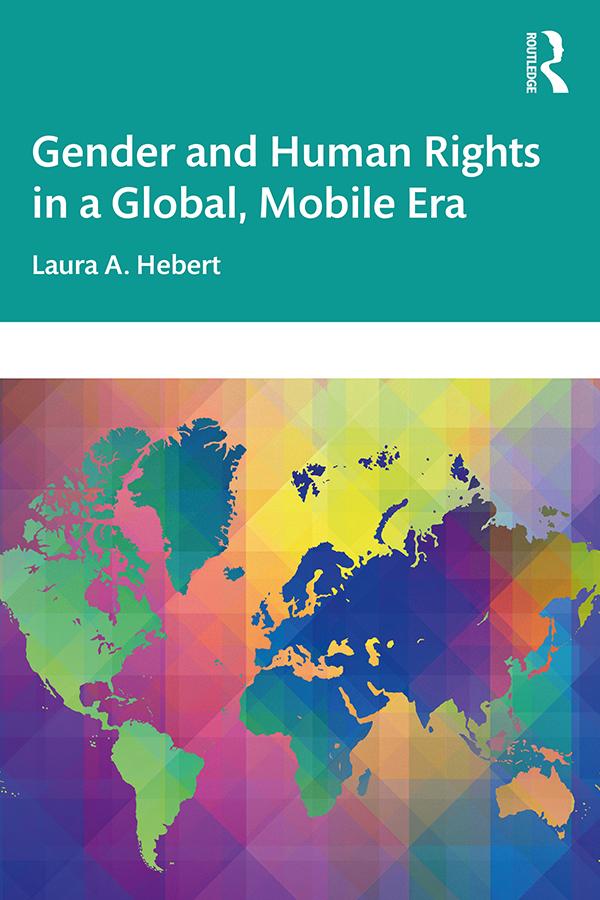
Gender and Human Rights in a Global, Mobile Era delves into feminist debates surrounding the relationship between gender and human rights through engaging feminist perspectives on the multifaceted issue of human trafficking.
Building on analyses of domestic servitude, commercial sex, and labor trafficking by military contractors, and grounded in intersectional feminist cosmopolitanism and feminist theorizing on vulnerability, precarity, and ethical interdependence, Laura Hebert makes several interrelated contributions. As she explores how a feminist gender analysis illuminates the structures and norms enabling trafficking, Hebert simultaneously considers the future of feminist rights advocacy. Emphasizing the sociality of human rights, she encourages feminist scholars and activists to look beyond states as the duty-bearers of human rights and the assumption that human rights are made meaningful mainly through the establishment of legal rights at the national level. She challenges the idea that "feminism" can be reduced to advocacy on behalf of women’s rights. She also encourages critical reflection on how divisions associated with feminist politics have impeded opportunities for the building of feminist solidarities across differences aimed at the realization of the human rights of all.
Strongly interdisciplinary, Gender and Human Rights in a Global, Mobile Era will be of interest to students and scholars throughout the social sciences and humanities.
Betal enkelt med kort, Klarna, Apple Pay eller Google Pay. Ikke fornøyd? Du har alltid 14 dagers angrerett. Les mer i våre vilkår. Har du spørsmål, send oss en e-post på hello@memmo.org.
Memmo gjør det enklere å studere – uansett hvor du er i verden. Hos oss samler du pensumbøker og smarte studieverktøy på ett og samme sted: sammendrag, quizer, podkaster og flashcards. Og så Ted, din studiekompis som svarer på alt du lurer på. Over 50 000 studenter studerer allerede her – bygget for at du skal lære raskere og stresse mindre.