
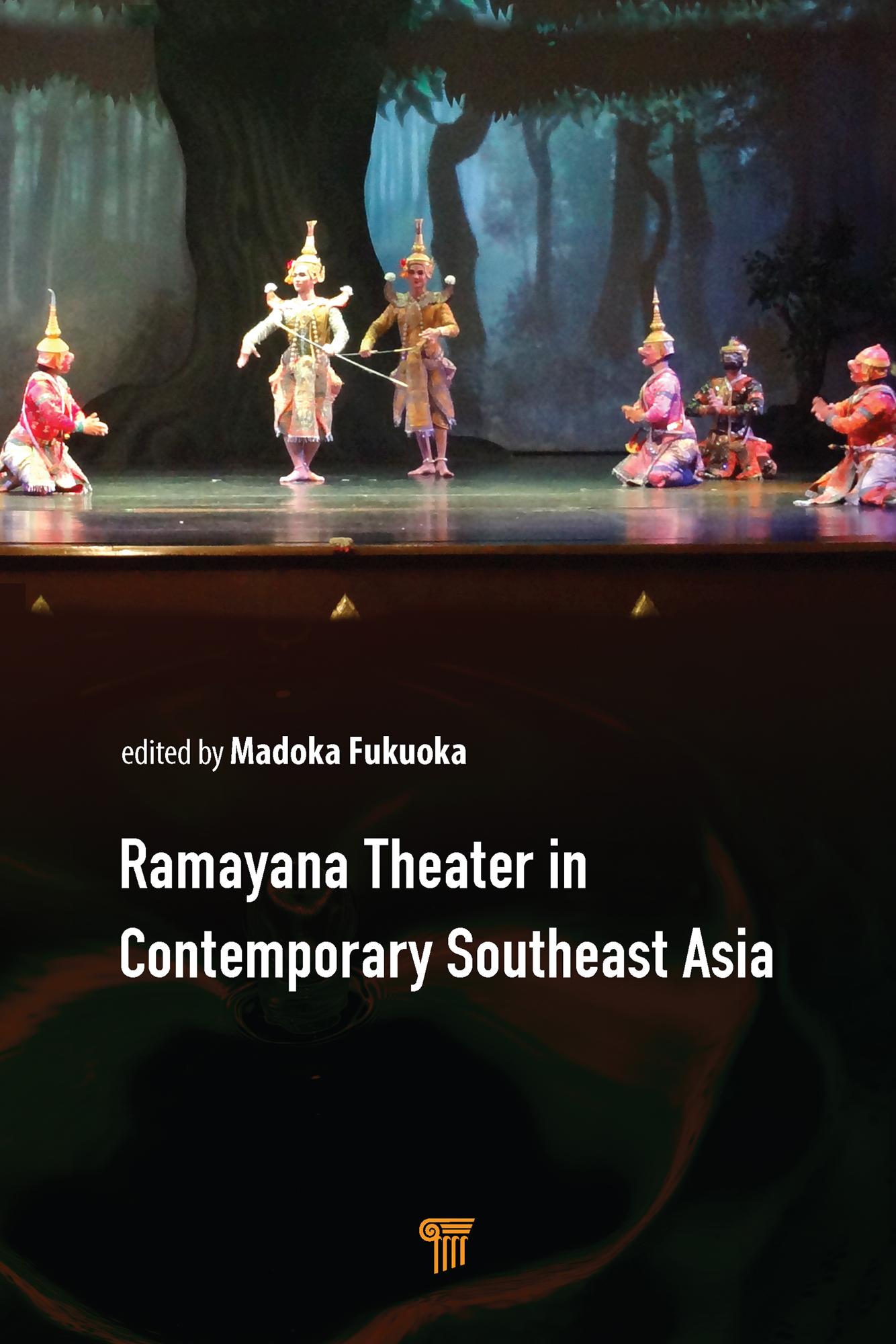
The ancient Indian epic poem Ramayana has been disseminated throughout large tracts of Southeast Asia since the 9th century. Versions of the epic poem have come to adopt and reflect the unique characteristics of the countries and regions where it has gained cultural currency. The epic has been a source of popular themes in both traditional and contemporary art forms, including literature, performing arts, fine arts, and films.
This book showcases Ramayana theater as a platform where the multiple meanings and senses of values are negotiated. It focuses on the relationships between the cultural representation and the various meanings of Ramayana theater, as well as other dramatic art forms. Focusing on the various contemporary contexts of art performances where the epic poem has been represented, the book also presents the ideologies and moral values contained in the theatrical forms of the epic poem. It discusses various performance contexts, such as diaspora communities, production of popular content culture, cultural diplomacy, designation as intangible cultural heritage, transmission, tourism, and the representation/exhibition of culture, as well as the performance in rituals. It also includes works of three contemporary and inspiring artists: cross-gender dancer Didik Nini Thowok, animator as well as puppeteer Nanang Ananto Wicaksono, and composer Ken Steven.
Betal enkelt med kort, Klarna, Apple Pay eller Google Pay. Ikke fornøyd? Du har alltid 14 dagers angrerett. Les mer i våre vilkår. Har du spørsmål, send oss en e-post på hello@memmo.org.
Memmo gjør det enklere å studere – uansett hvor du er i verden. Hos oss samler du pensumbøker og smarte studieverktøy på ett og samme sted: sammendrag, quizer, podkaster og flashcards. Og så Ted, din studiekompis som svarer på alt du lurer på. Over 50 000 studenter studerer allerede her – bygget for at du skal lære raskere og stresse mindre.