
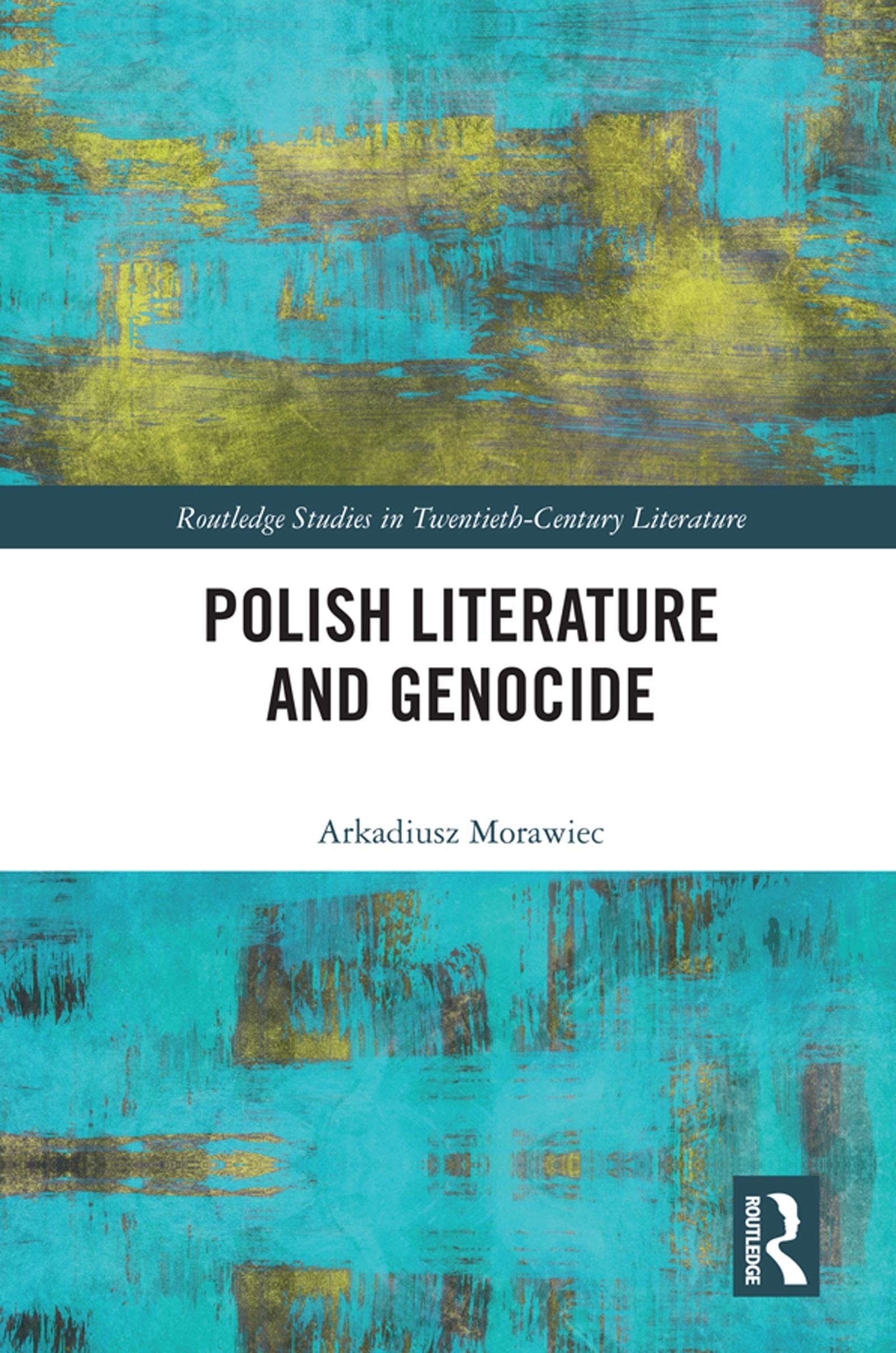
Polish Literature and Genocide presents the attitude of Polish literature to the 20th-century acts of genocide. This volume examines the literary representations of the Armenian genocide, the Holocaust, and the massacre in Srebrenica in a rich, detailed, and comprehensive way, expanding the existing research and, in some cases, challenging the former sometimes ossified ideas. Polish literature not only reflects the obvious extermination of Jews and Poles, but also records what had been largely overlooked: the extermination of disabled and mentally ill people, the Roma and Sinti, and the Soviet prisoners of war by the Nazis. This volume includes analysis of the literary works of Władysław Szlengel, the most prominent Polish-language poet in the Warsaw ghetto; the peculiar reception of Julian Tuwim’s famous poem for children "Locomotive;" the memoir of Leon Weliczker, a prisoner of the Janowska concentration camp in Lvov and a member of the ‘death brigade’ (Sonderkommando); the origins of Medallions by Zofia Nałkowska, who ‘processed’ historical documents into literature and contributed to the making of professor Rudolf Spanner’s ‘dark legend,’ and the textual origins of Tadeusz Różewicz’s ‘poetry after Auschwitz.’ Furthermore, this volume addresses issues related to the genesis and function of ‘genocide literature’ – aesthetic, cognitive, ideological, and social. This volume will be a crucial resource for academics interested in genocide and Holocaust literary studies.
Betal enkelt med kort, Klarna, Apple Pay eller Google Pay. Ikke fornøyd? Du har alltid 14 dagers angrerett. Les mer i våre vilkår. Har du spørsmål, send oss en e-post på hello@memmo.org.
Memmo gjør det enklere å studere – uansett hvor du er i verden. Hos oss samler du pensumbøker og smarte studieverktøy på ett og samme sted: sammendrag, quizer, podkaster og flashcards. Og så Ted, din studiekompis som svarer på alt du lurer på. Over 50 000 studenter studerer allerede her – bygget for at du skal lære raskere og stresse mindre.