
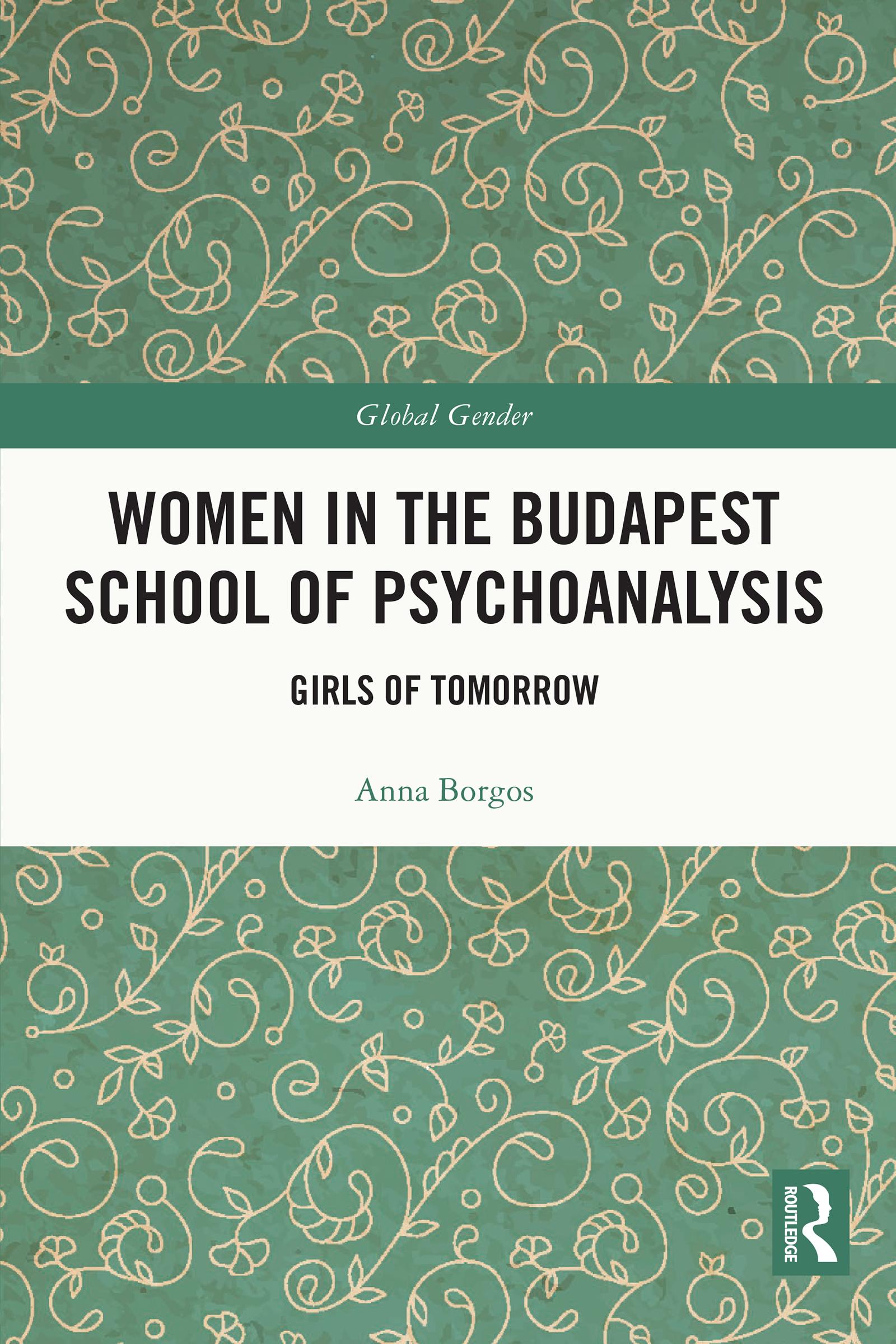
This book explores the life, scholarly oeuvre and intellectual connections of the significant "first generation" Hungarian female psychoanalysts, situating their lives within the wider context of social history and the history of psychoanalysis.
Budapest was one of the main centres of psychoanalysis in the early 20th century – in a period which was also central regarding women’s changing roles and possibilities. Favourable social circumstances met a new, freshly developing profession’s need for receptive followers regardless of their sex. This book shines a light on the social and professional factors on the life and work of these first women psychoanalysts, examining documentary evidence of their lives and drawing upon the literature of psychoanalysis, social history, and gender studies. Through their life stories, not only the history of psychoanalysis, but also the processes of 20th-century women’s history and social-political developments in Hungary and the region can be reconstructed. Key psychoanalysts explored include Lilly Hajdu, Edit Gyömrői, Alice Bálint, Vilma Kovács, Lillián Rotter and twelve further women analysts.
This important book will be of interest to researchers in gender studies, the history of psychoanalysis, women’s and gender history, and Eastern European history.
Betal enkelt med kort, Klarna, Apple Pay eller Google Pay. Ikke fornøyd? Du har alltid 14 dagers angrerett. Les mer i våre vilkår. Har du spørsmål, send oss en e-post på hello@memmo.org.
Memmo gjør det enklere å studere – uansett hvor du er i verden. Hos oss samler du pensumbøker og smarte studieverktøy på ett og samme sted: sammendrag, quizer, podkaster og flashcards. Og så Ted, din studiekompis som svarer på alt du lurer på. Over 50 000 studenter studerer allerede her – bygget for at du skal lære raskere og stresse mindre.