
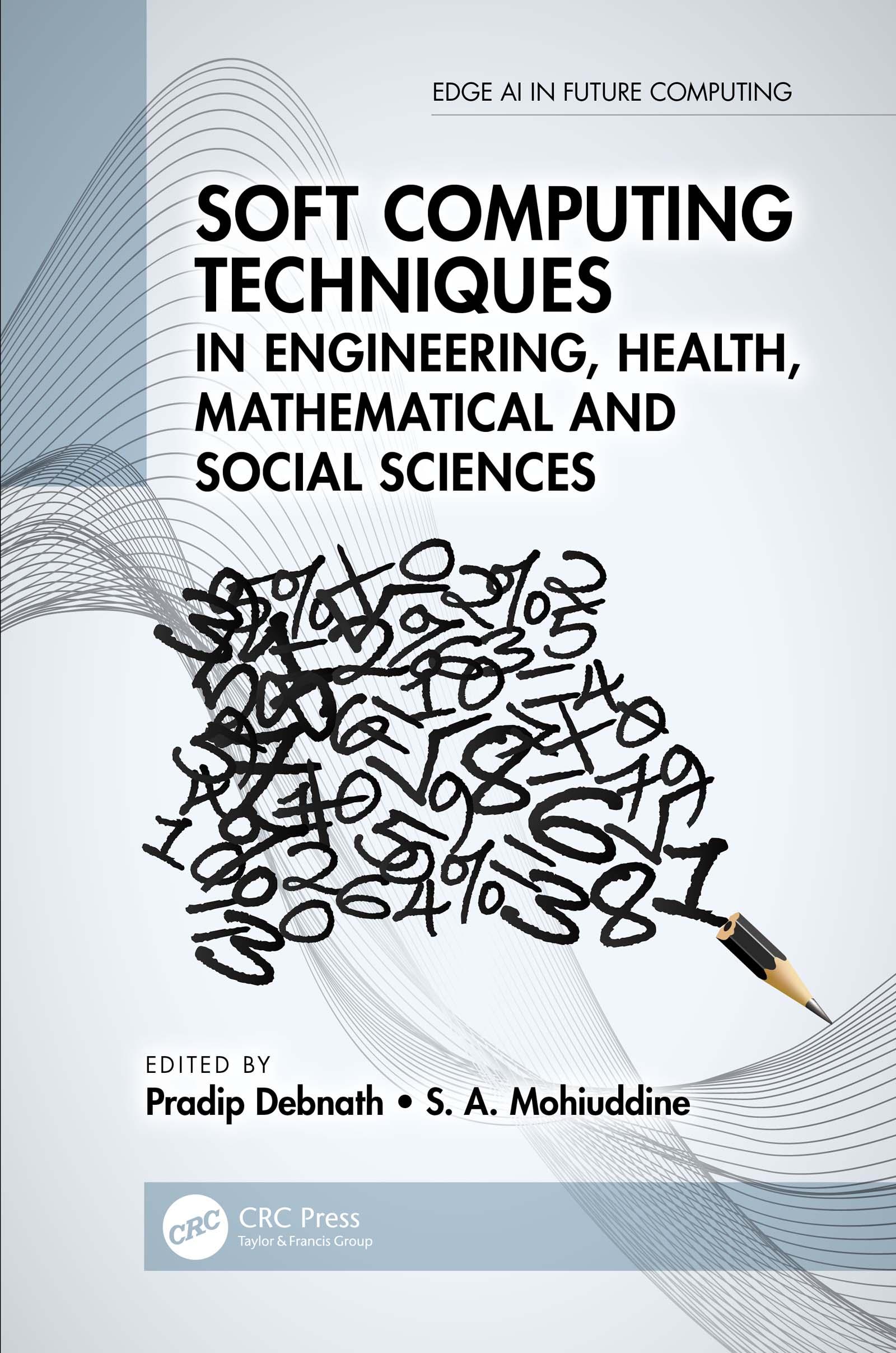
Soft computing techniques are no longer limited to the arena of computer science. The discipline has an exponentially growing demand in other branches of science and engineering and even into health and social science. This book contains theory and applications of soft computing in engineering, health, and social and applied sciences. Different soft computing techniques such as artificial neural networks, fuzzy systems, evolutionary algorithms and hybrid systems are discussed. It also contains important chapters in machine learning and clustering. This book presents a survey of the existing knowledge and also the current state of art development through original new contributions from the researchers. This book may be used as a one-stop reference book for a broad range of readers worldwide interested in soft computing. In each chapter, the preliminaries have been presented first and then the advanced discussion takes place. Learners and researchers from a wide variety of backgrounds will find several useful tools and techniques to develop their soft computing skills. This book is meant for graduate students, faculty and researchers willing to expand their knowledge in any branch of soft computing. The readers of this book will require minimum prerequisites of undergraduate studies in computation and mathematics.
Betal enkelt med kort, Klarna, Apple Pay eller Google Pay. Ikke fornøyd? Du har alltid 14 dagers angrerett. Les mer i våre vilkår. Har du spørsmål, send oss en e-post på hello@memmo.org.
Memmo gjør det enklere å studere – uansett hvor du er i verden. Hos oss samler du pensumbøker og smarte studieverktøy på ett og samme sted: sammendrag, quizer, podkaster og flashcards. Og så Ted, din studiekompis som svarer på alt du lurer på. Over 50 000 studenter studerer allerede her – bygget for at du skal lære raskere og stresse mindre.