
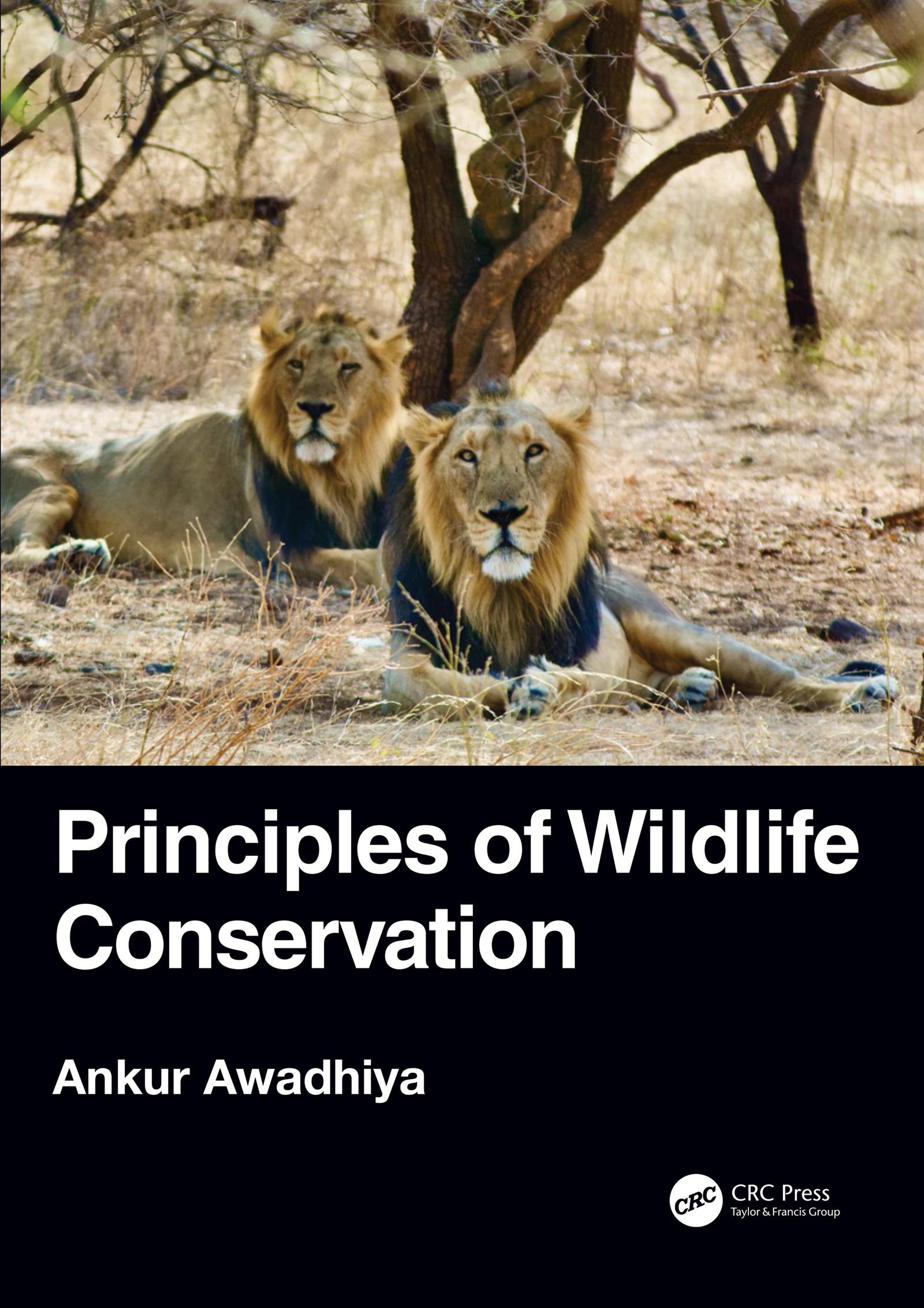
Wildlife tend our forests — they pollinate flowers, disperse seeds, eat insects that harm trees, and keep herbivores and diseases in check. They keep our forests healthy and resilient — ready and able to face and counter any challenges, such as global warming and climate change. They are the individual cogs that keep the forest machine functioning. And we desperately need our forests — to sequester carbon, to purify our air and water, to protect our soils from getting eroded, and to save our dams and waterways. Wildlife do need our care, concern, and attention, but we also need our wildlife — perhaps much more sincerely. A majority of wildlife arrived on this planet much before humans, and the Earth belongs to them as well.
So how do we conserve wildlife? This is the question that Principles of Wildlife Conservation seeks to answer. It presents a lucid — cogent, yet simple — narration about the why’s and how’s of conserving wildlife. It begins with the first principles — and thus requires no prerequisite other than an urge to seek knowledge. It is full of pictures and case studies from the field — to facilitate easy grasping of the subject. The book builds a solid foundation of the theory of wildlife conservation, and tops that up with experiences from actually doing wildlife conservation. In this way, it equips the reader to master both the science — and the art — of conserving wildlife.
Betal enkelt med kort, Klarna, Apple Pay eller Google Pay. Ikke fornøyd? Du har alltid 14 dagers angrerett. Les mer i våre vilkår. Har du spørsmål, send oss en e-post på hello@memmo.org.
Memmo gjør det enklere å studere – uansett hvor du er i verden. Hos oss samler du pensumbøker og smarte studieverktøy på ett og samme sted: sammendrag, quizer, podkaster og flashcards. Og så Ted, din studiekompis som svarer på alt du lurer på. Over 50 000 studenter studerer allerede her – bygget for at du skal lære raskere og stresse mindre.