
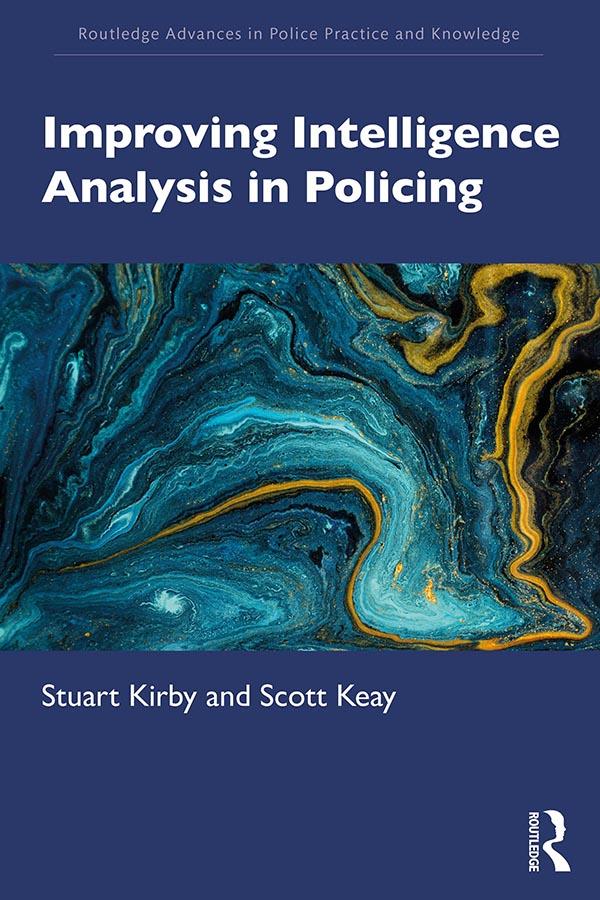
This book explains how improvements in intelligence analysis can bene!t policing. Written by experts with experience in police higher education and professional practice, this accessible text provides students with both practical knowledge and a critical understanding of the subject. The book is divided into three key parts:
- Part One outlines how the concept of intelligence was initially embraced and implemented by the police and provides a critique of intelligence sources. It examines the strategic use of intelligence and its procedural framework. It provides a summary of the role of the intelligence analyst, establishing the characteristics of effective practitioners.
- Part Two describes good practice and explains the practical tools and techniques that effective analysts use in the reduction and investigation of crime.
- Part Three examines more recent developments in intelligence analysis and looks to the future. This includes the move to multi-agency working, the advent of big data and the role of AI and machine learning.
Filled with case studies and practical examples, this book is essential reading for all undergraduates and postgraduates taking courses in Professional Policing, and Criminal Justice more widely. It will also be of interest to existing practitioners in this field.
Betal enkelt med kort, Klarna, Apple Pay eller Google Pay. Ikke fornøyd? Du har alltid 14 dagers angrerett. Les mer i våre vilkår. Har du spørsmål, send oss en e-post på hello@memmo.org.
Memmo gjør det enklere å studere – uansett hvor du er i verden. Hos oss samler du pensumbøker og smarte studieverktøy på ett og samme sted: sammendrag, quizer, podkaster og flashcards. Og så Ted, din studiekompis som svarer på alt du lurer på. Over 50 000 studenter studerer allerede her – bygget for at du skal lære raskere og stresse mindre.