
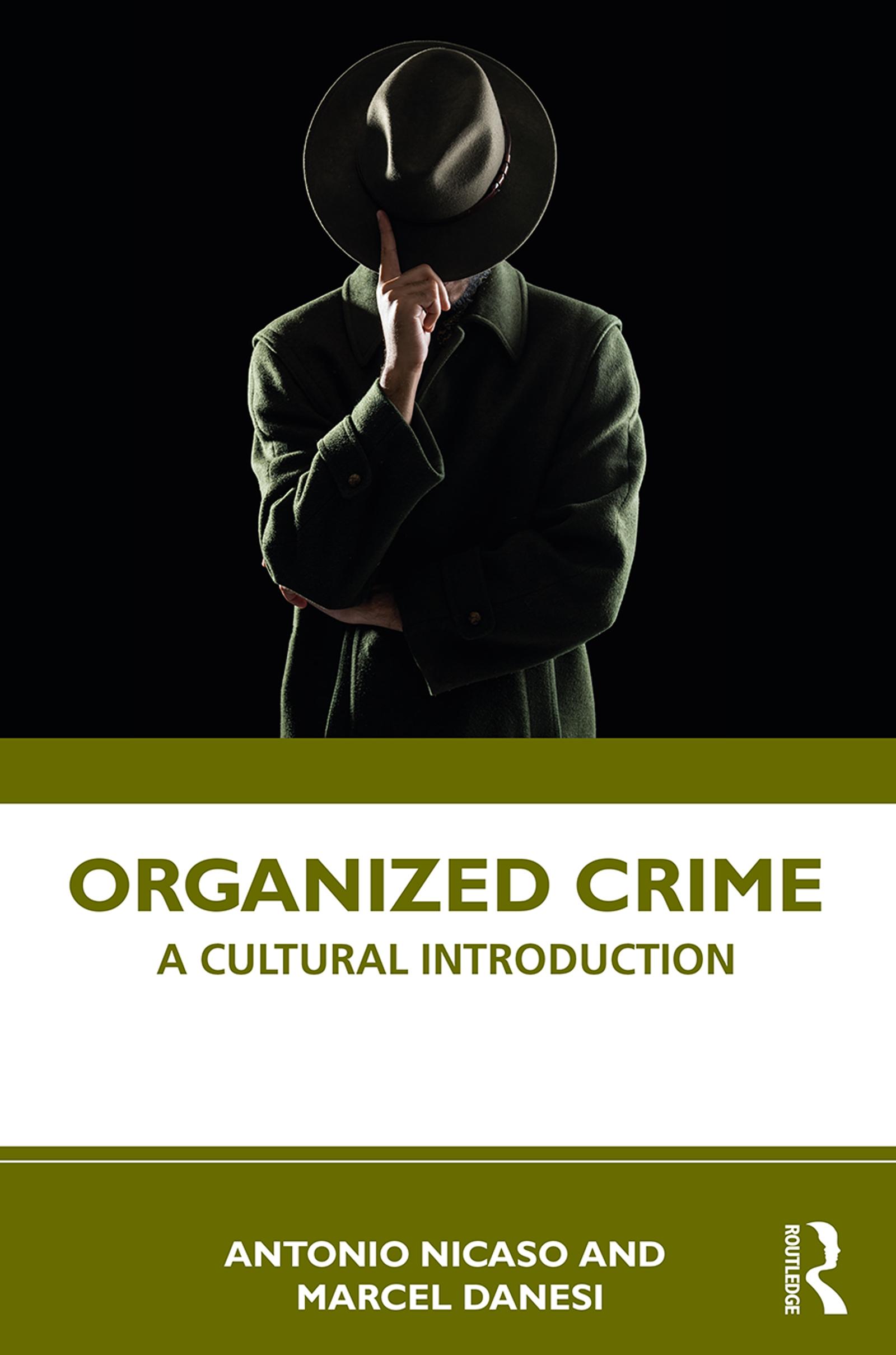
This book aims to describe and demystify what makes criminal gangs so culturally powerful. It examines their codes of conduct, initiation rites, secret communications methods, origin myths, symbols, and the like that imbue the gangsters with the pride and nonchalance that goes hand in hand with their criminal activities. Mobsters are everywhere in the movies, on television, and on websites. Contemporary societies are clearly fascinated by them. Why is this so? What feature and constituents of organized criminal gangs make them so emotionally powerful—to themselves and others? These are the questions that have guided the writing of this textbook, which is intended as an introduction to organized crime from the angle of cultural analysis. Key topics include:
• An historic overview of organized crime, including the social, economic, and cultural conditions that favour its development;
• A review of the type of people who make up organized gangs and the activities in which they engage;
• The symbols, rituals, codes and languages that characterize criminal institutions;
• The relationship between organized crime and cybercrime;
• The role of women in organized crime;
• Drugs and narco-terrorism;
• Media portrayals of organized crime.
Organized Crime includes case studies and offers an accessible, interdisciplinary approach to the subject of organized crime. It is essential reading for students engaged with organized crime across criminology, sociology, anthropology and psychology.
Betal enkelt med kort, Klarna, Apple Pay eller Google Pay. Ikke fornøyd? Du har alltid 14 dagers angrerett. Les mer i våre vilkår. Har du spørsmål, send oss en e-post på hello@memmo.org.
Memmo gjør det enklere å studere – uansett hvor du er i verden. Hos oss samler du pensumbøker og smarte studieverktøy på ett og samme sted: sammendrag, quizer, podkaster og flashcards. Og så Ted, din studiekompis som svarer på alt du lurer på. Over 50 000 studenter studerer allerede her – bygget for at du skal lære raskere og stresse mindre.