
'A brilliant synthesis of ecology and economics that provides a sure guide to a sustainable future. It is a must for all environmentalists and economists.'
Charles Birch
'Written by an impressive list of experts across a number of disciplines, this readable text provides not only analysis but vigorous criticism-and answers.'
Robyn Williams
'This book is such a useful guide to responsible decision-making that it should be supplied in bulk to senior government officials and managers in the private sector.'
Ian Lowe
'This is a fine contribution to ecological economics coming from Australia, and of interest worldwide.'
Herman E Daly
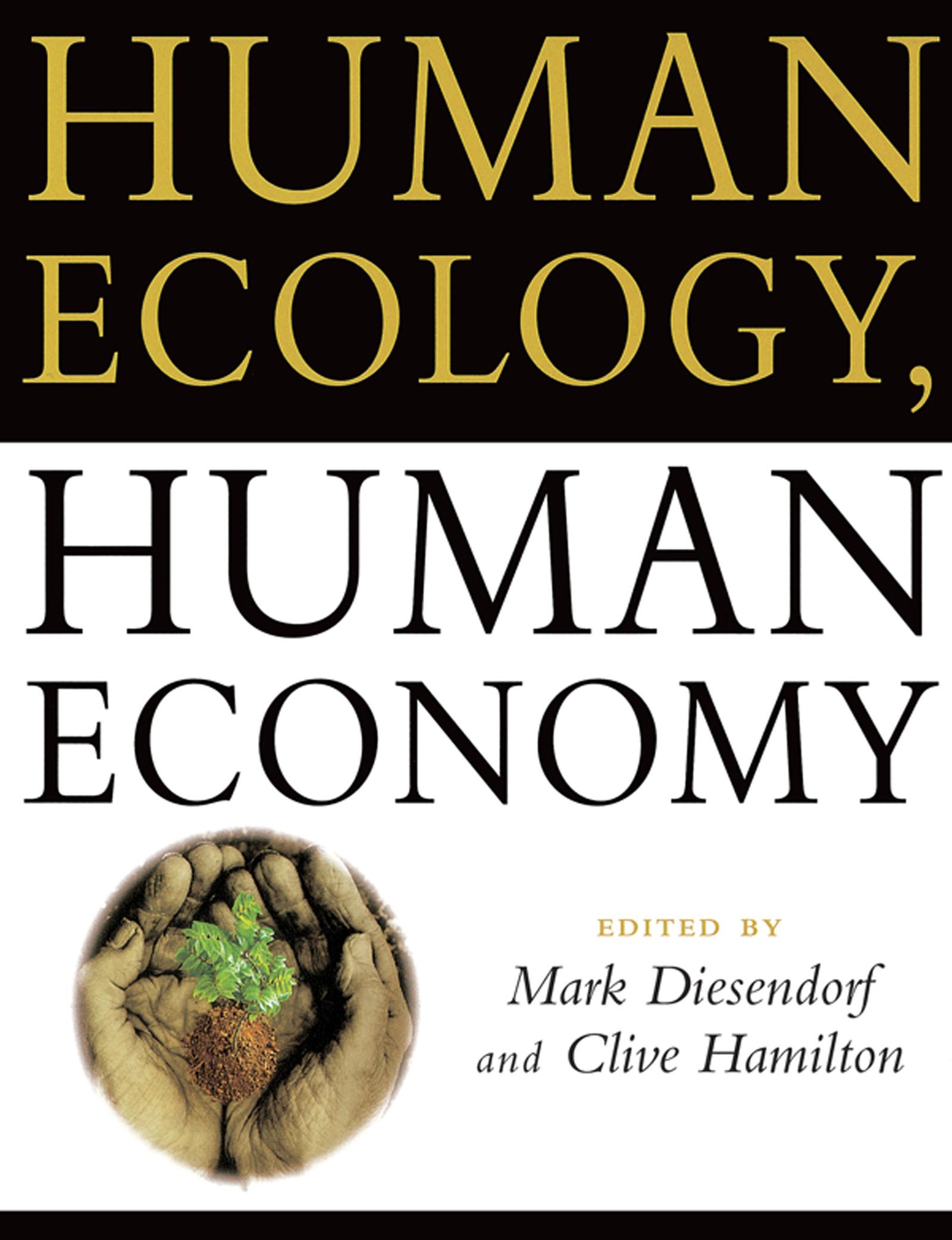
Human well-being is wholly dependent upon the continued good health of the Earth s ecosystems. Human behaviour as it interacts with the biophysical environment is enormously complex, as governments (and individuals) who must make decisions about resource use are becoming increasingly aware. Human Ecology, Human Economy provides the basic concepts and tools for understanding how to analyse that interaction.
The book is designed to be used as a text for undergraduate and graduate students in environmental studies, human and social ecology, ecological economics, futures studies, and science and technology studies. It is also intended for interested members of the public and for policy-makers working on environmental issues, especially where these intersect with economic policy.
Human Ecology, Human Economy not only covers the basic concepts, but also moves to some of the frontiers of thinking in several case studies. It uses a problem and solution oriented approach which crosses disciplinary boundaries, drawing together elements from biology, economics, philosophy and political science.
Professor Mark Diesendorf is Director of the Institute for Sustainable Futures at the University of Technology, Sydney and Vice President of the Sustainable Energy Industries Council of Australia. Among the books he has edited are The Magic Bullet and Energy And People.
Dr Clive Hamilton is Executive Director of the Australia Institute, Canberra and teaches in the Public Policy Program at the Australian National University. His books include Capitalist Industrialisation In Korea, The Mystic Economist and The Economic Dynamics Of Australian Industry.
Betal enkelt med kort, Klarna, Apple Pay eller Google Pay. Ikke fornøyd? Du har alltid 14 dagers angrerett. Les mer i våre vilkår. Har du spørsmål, send oss en e-post på hello@memmo.org.
Memmo gjør det enklere å studere – uansett hvor du er i verden. Hos oss samler du pensumbøker og smarte studieverktøy på ett og samme sted: sammendrag, quizer, podkaster og flashcards. Og så Ted, din studiekompis som svarer på alt du lurer på. Over 50 000 studenter studerer allerede her – bygget for at du skal lære raskere og stresse mindre.