
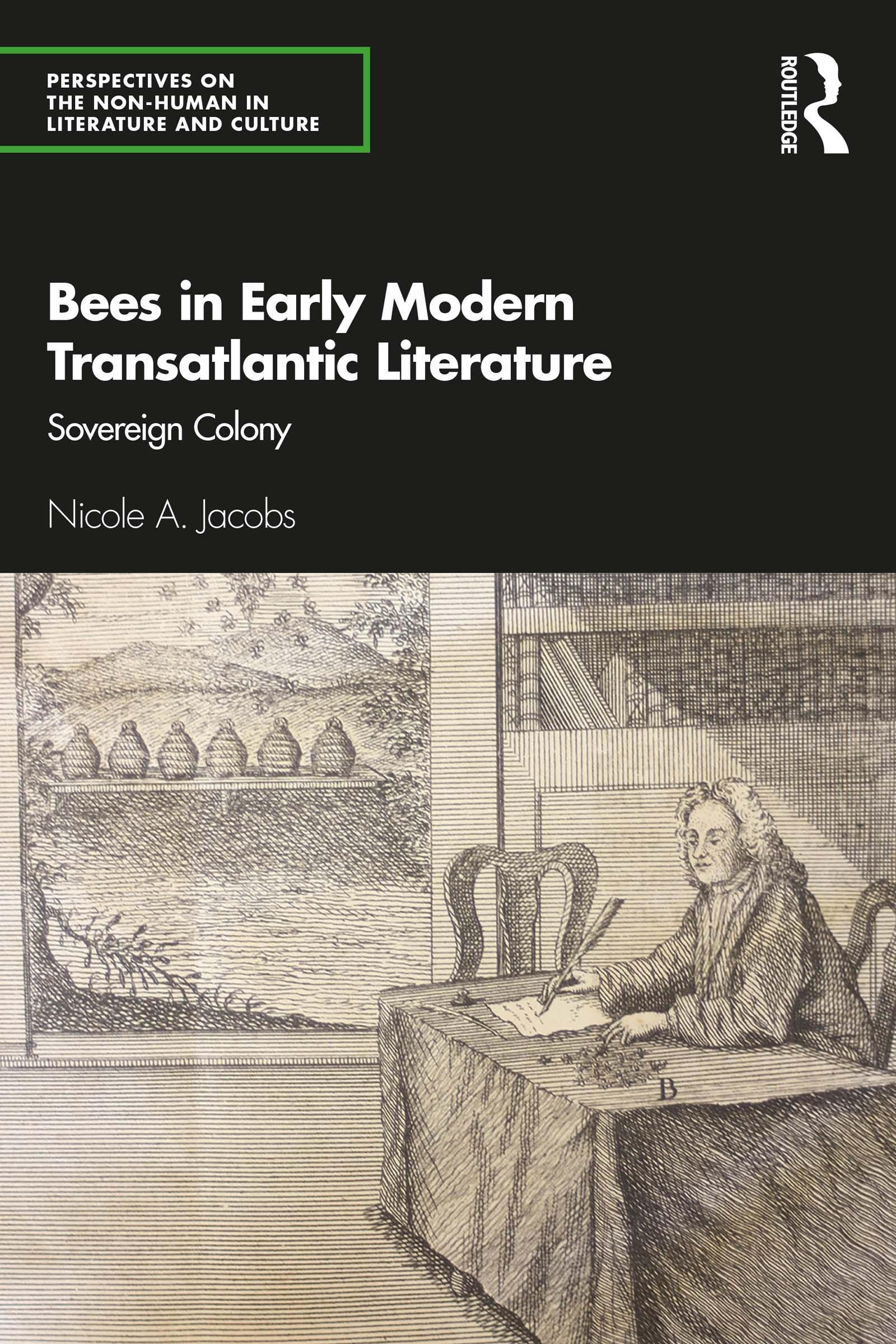
This book examines apian imagery—bees, drones, honey, and the hive—in the seventeenth- and eighteenth-century literary and oral traditions. In England and the New World colonies during a critical period of expansion, the metaphor of this communal society faced unprecedented challenges even as it came to emblematize the process of colonization itself. The beehive connected the labor of those marginalized by race, class, gender, or species to larger considerations of sovereignty. This study examines the works of William Shakespeare; Francis Daniel Pastorius; Hopi, Wyandotte, and Pocasset cultures; John Milton; Hester Pulter; and Bernard Mandeville. Its contribution lies in its exploration of the simultaneously recuperative and destructive narratives that place the bee at the nexus of the human, the animal, and the environment. The book argues that bees play a central representational and physical role in shaping conflicts over hierarchies of the early transatlantic world.
Betal enkelt med kort, Klarna, Apple Pay eller Google Pay. Ikke fornøyd? Du har alltid 14 dagers angrerett. Les mer i våre vilkår. Har du spørsmål, send oss en e-post på hello@memmo.org.
Memmo gjør det enklere å studere – uansett hvor du er i verden. Hos oss samler du pensumbøker og smarte studieverktøy på ett og samme sted: sammendrag, quizer, podkaster og flashcards. Og så Ted, din studiekompis som svarer på alt du lurer på. Over 50 000 studenter studerer allerede her – bygget for at du skal lære raskere og stresse mindre.