
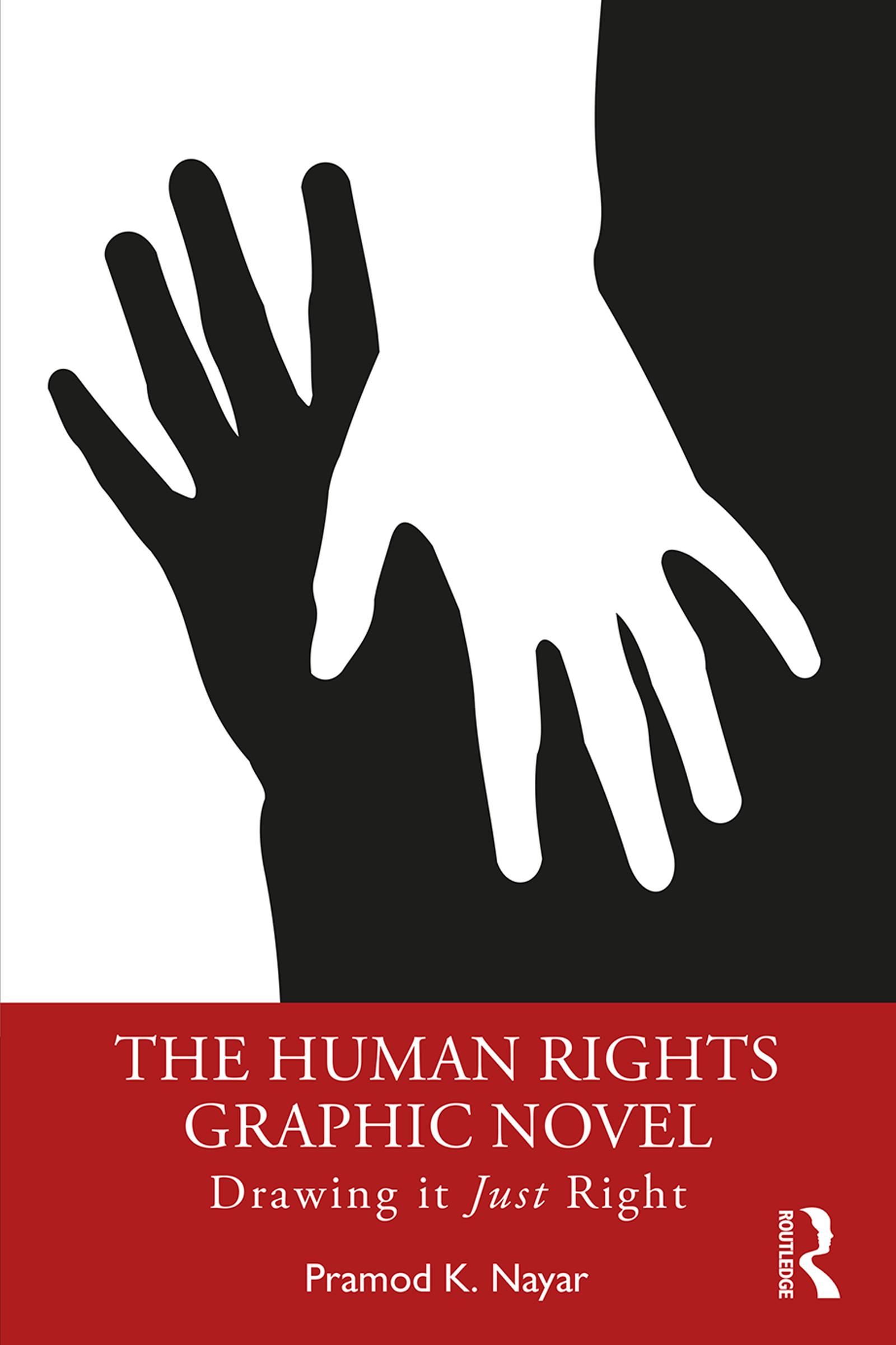
This book studies human rights discourse across a variety of graphic novels, both fiction and non-fiction, originating in different parts of the world, from India to South Africa, Sarajevo to Vietnam, with texts on the Holocaust, the Partition of the Indian subcontinent, the Rwandan and Sarajevan genocides, the Vietnam War, comfort women in World War II and the Civil Rights movement in the USA, to mention a few.
The book demonstrates the emergence of the ‘universal’ subject of human rights, despite the variations in contexts. It shows how war, rape, genocide, abuse, social iniquity, caste and race erode personhood in multiple ways in the graphic novel, which portrays the construction of vulnerable subjects, the cultural trauma of collectives, the crisis and necessity of witnessing, and resilience-resistance through specific representational and aesthetic strategies. It covers a large number of authors and artists: Joe Sacco, Joe Kubert, Matt Johnson-Walter Pleece, Guy Delisle, Appupen, Thi Bui, Olivier Kugler and others. Through a study of these vastly different authors and styles, the book proposes that the graphic novel as a form is perfectly suited to the ‘culture’ and the lingua franca of human rights due to its amenability to experimentation and the sheer range within the form.
The book will appeal to scholars in comics studies, human rights studies, visual culture studies and to the general reader with an interest in these fields.
Betal enkelt med kort, Klarna, Apple Pay eller Google Pay. Ikke fornøyd? Du har alltid 14 dagers angrerett. Les mer i våre vilkår. Har du spørsmål, send oss en e-post på hello@memmo.org.
Memmo gjør det enklere å studere – uansett hvor du er i verden. Hos oss samler du pensumbøker og smarte studieverktøy på ett og samme sted: sammendrag, quizer, podkaster og flashcards. Og så Ted, din studiekompis som svarer på alt du lurer på. Over 50 000 studenter studerer allerede her – bygget for at du skal lære raskere og stresse mindre.