
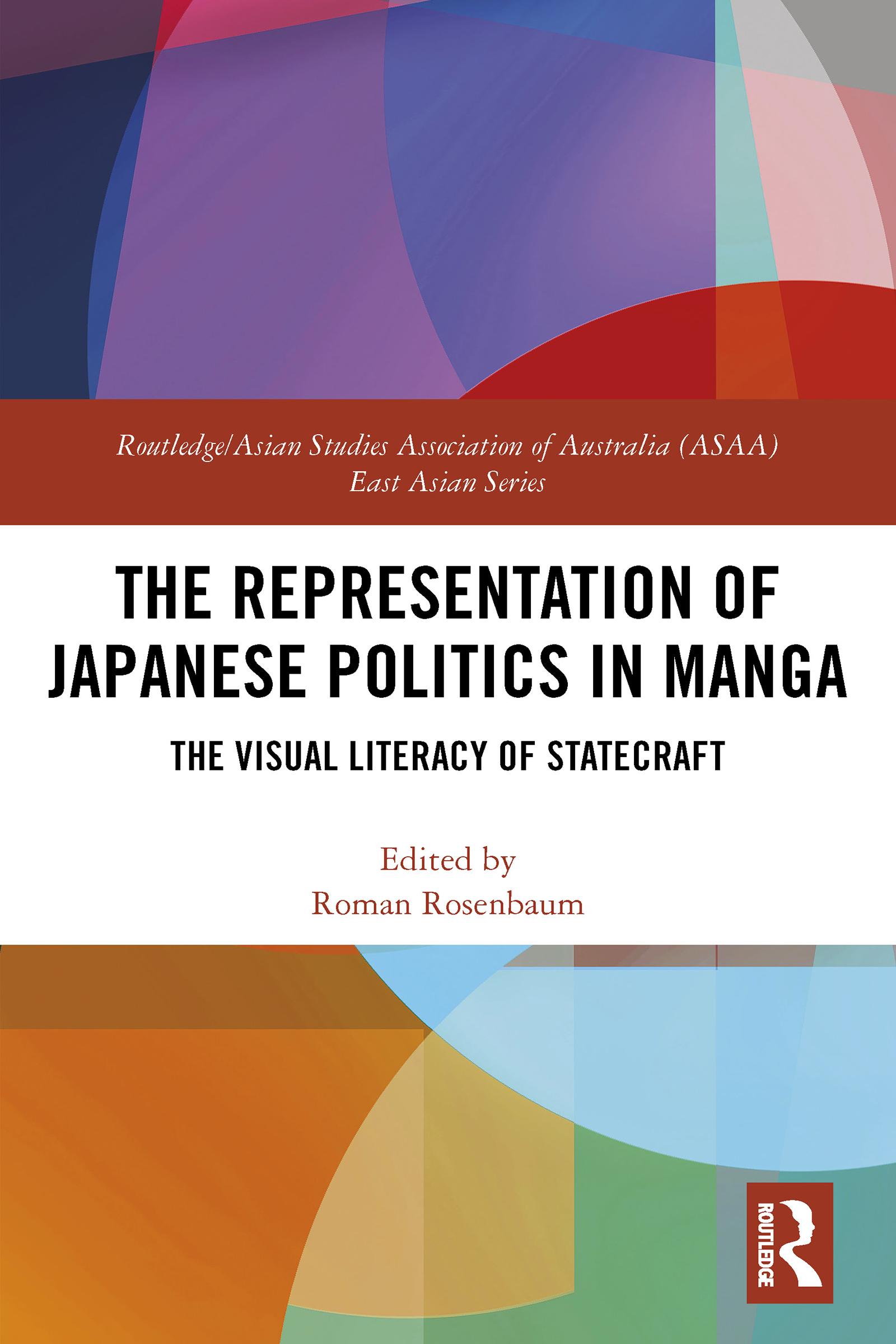
This edited volume explores political motives, discourses and agendas in Japanese manga and graphic art with the objective of highlighting the agency of Japanese and wider Asian story-telling traditions within the context of global political traditions. Highly illustrated chapters presented here investigate the multifaceted relationship between Japan’s political storytelling practices, media and bureaucratic discourse, as played out between both the visual arts and modern pop-cultural authors. From pioneering cartoonist Tezuka Osamu, contemporary manga artists such as Kotobuki Shiriagari and Fumiyo Kōno, to videogames and everyday merchandise, a wealth of source material is analysed using cross-genre techniques. Furthermore, the book resists claims that manga, unlike the bandes dessinées and American superhero comic traditions, is apolitical. On the contrary, contributors demonstrate that manga and the mediality of graphic arts have begun to actively incorporate political discourses, undermining hegemonic cultural constructs that support either the status quo, or emerging brands of neonationalism in Japanese society. The Representation of Politics in Manga will be a dynamic resource for students and scholars of Japanese studies, media and popular cultural studies, as well as practitioners in the graphic arts.
Betal enkelt med kort, Klarna, Apple Pay eller Google Pay. Ikke fornøyd? Du har alltid 14 dagers angrerett. Les mer i våre vilkår. Har du spørsmål, send oss en e-post på hello@memmo.org.
Memmo gjør det enklere å studere – uansett hvor du er i verden. Hos oss samler du pensumbøker og smarte studieverktøy på ett og samme sted: sammendrag, quizer, podkaster og flashcards. Og så Ted, din studiekompis som svarer på alt du lurer på. Over 50 000 studenter studerer allerede her – bygget for at du skal lære raskere og stresse mindre.