
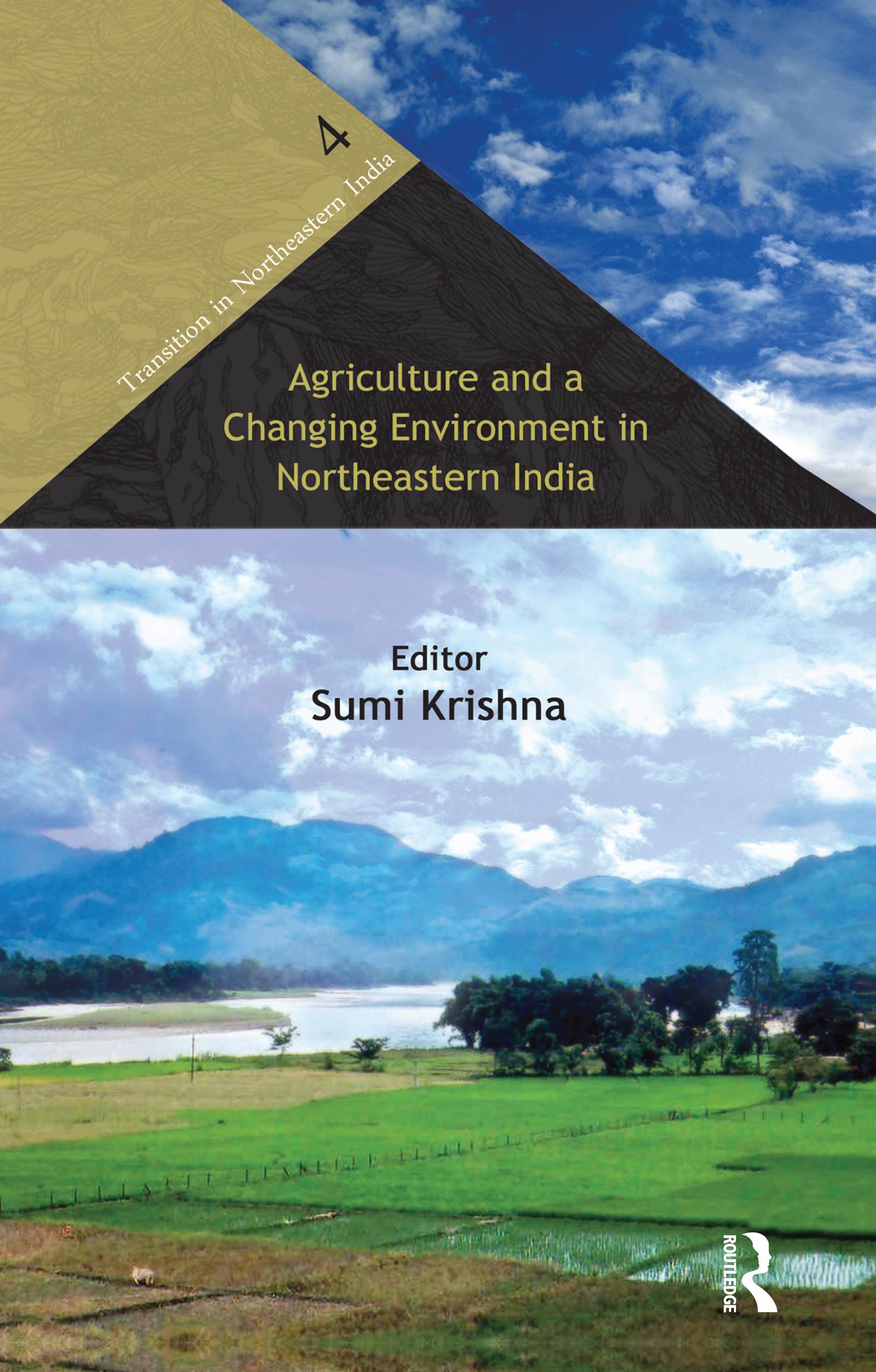
India’s northeastern region, forged by a unique geological history and peopled by several waves of migration, is extraordinarily complex. Farming systems in the hills and the riverine plains are embedded in a heterogeneous environment, comprising forests, wetlands and fields, shaped over centuries by nature and people. Today, the environment and economy are undergoing rapid transformation, affecting peoples’ lives, livelihoods and methods of food production.
The essays in this volume bring a multi-disciplinary perspective to critical aspects of the process of agricultural change, examine the gender dimensions of agriculture, and explore initiatives for sustainable livelihood and ecological conservation. Part I analyses the impact of policies and people’s own aspirations on the closely-intertwined ecology and economy of the region. Part II discusses the gender dynamics of farming, forestry and biodiversity in a socio-cultural context where women are primarily responsible for food production. Part III highlights some alternative farming interventions and community-based efforts for environmental conservation, sustainable resource management and improved livelihoods.
This book will be useful to scholars and students of agriculture, economics, development, environment and gender studies, and to those involved in policy analysis, natural resource management and community organisation, as also general readers interested in India’s northeastern region.
Betal enkelt med kort, Klarna, Apple Pay eller Google Pay. Ikke fornøyd? Du har alltid 14 dagers angrerett. Les mer i våre vilkår. Har du spørsmål, send oss en e-post på hello@memmo.org.
Memmo gjør det enklere å studere – uansett hvor du er i verden. Hos oss samler du pensumbøker og smarte studieverktøy på ett og samme sted: sammendrag, quizer, podkaster og flashcards. Og så Ted, din studiekompis som svarer på alt du lurer på. Over 50 000 studenter studerer allerede her – bygget for at du skal lære raskere og stresse mindre.