
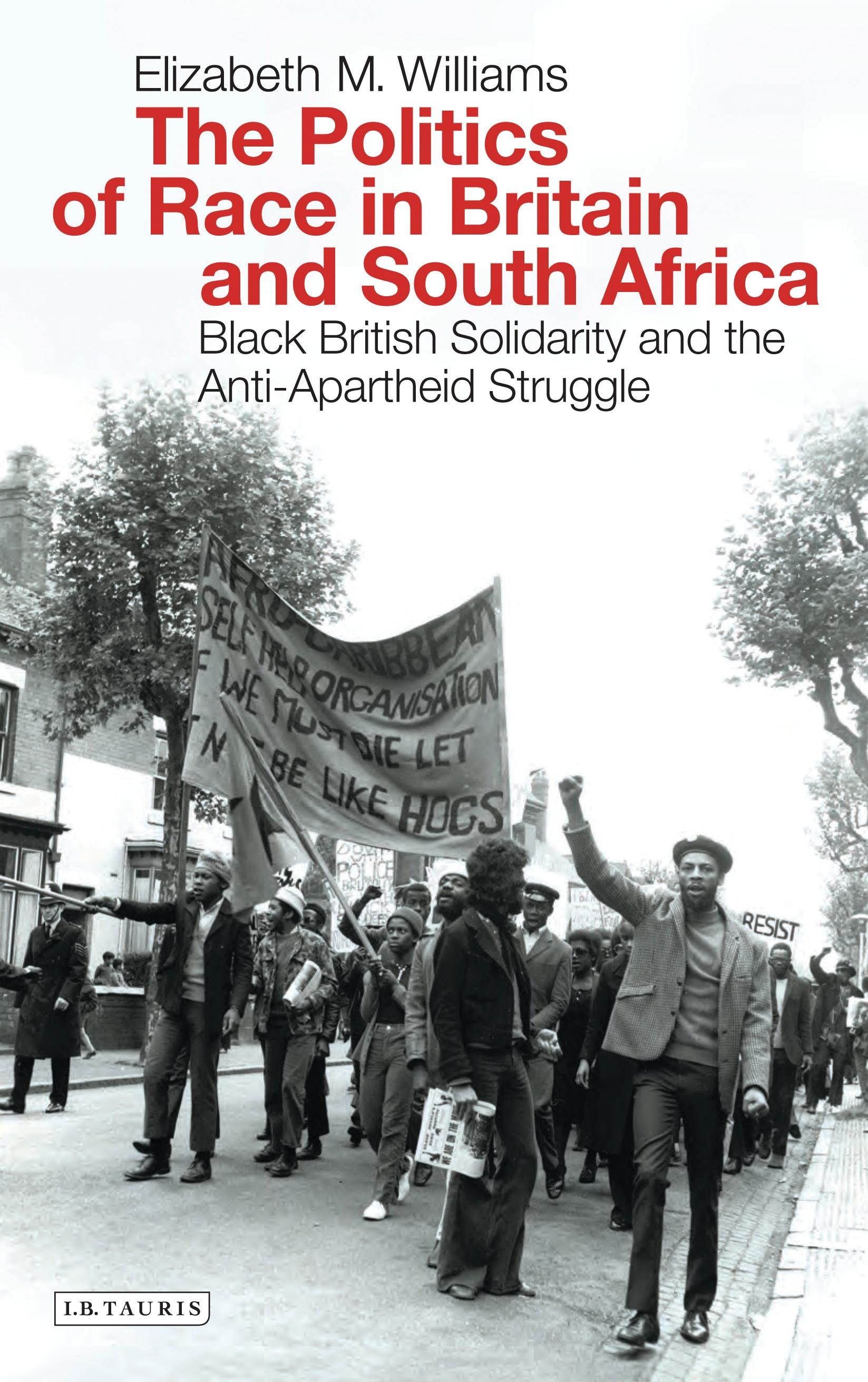
The postwar government of South Africa, led by H.F. Verwoerd, implemented wide-ranging racial segregation laws, beginning the open policy of apartheid in one of Africa's most prosperous and internationally influential states. During the apartheid era, the British government faced an uneasy dilemma: while repudiating apartheid laws it maintained an ambiguous stance towards the South African government. As black South Africans were reduced to the status of non-citizens after the 1970 Citizenship Act, increasing numbers of exiles and fugitives were finding refuge in Britain, which was now home to a growing anti-apartheid protest movement. This is the first book to examine the British support for the anti-apartheid movement among its own black communities. Elizabeth Williams highlights the connection between domestic anti-racism struggles and the struggle in South Africa, showing how black Britons who were themselves fighting racism in British society identified and expressed solidarity with black South Africans during the Apartheid years. Williams further assesses the way in which Black communities in Britain viewed Margaret Thatcher's support of South Africa despite the international call for sanctions. Featuring the work of acclaimed documentary photographer and civil rights activist Vanley Burke, this will be an essential book for students and scholars of race, British history, international relations, post-colonial studies and South African history.
Betal enkelt med kort, Klarna, Apple Pay eller Google Pay. Ikke fornøyd? Du har alltid 14 dagers angrerett. Les mer i våre vilkår. Har du spørsmål, send oss en e-post på hello@memmo.org.
Memmo gjør det enklere å studere – uansett hvor du er i verden. Hos oss samler du pensumbøker og smarte studieverktøy på ett og samme sted: sammendrag, quizer, podkaster og flashcards. Og så Ted, din studiekompis som svarer på alt du lurer på. Over 50 000 studenter studerer allerede her – bygget for at du skal lære raskere og stresse mindre.