
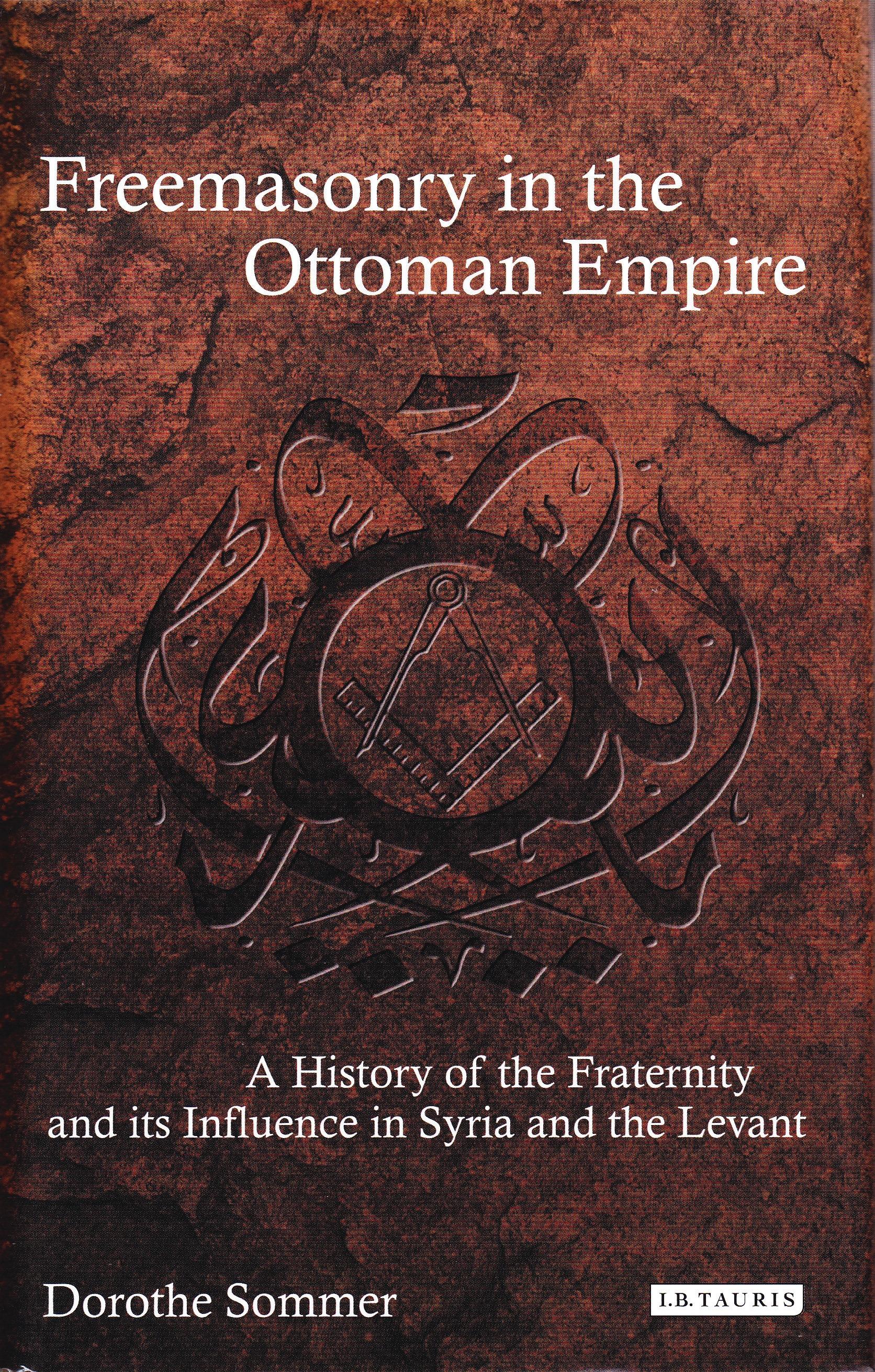
The network of freemasons and Masonic lodges in the Middle East is an opaque and mysterious one, and is all too often seen – within the area – as a vanguard for Western purposes of regional domination. But here, Dorothe Sommer explains how freemasonry in Greater Syria at the end of the nineteenth and beginning of the twentieth century actually developed a life of its own, promoting local and regional identities. She stresses that during the rule of the Ottoman Empire, freemasonry was actually one of the first institutions in what is now Syria and Lebanon which overcame religious and sectarian divisions. Indeed, the lodges attracted more participants – such as the members of the Trad and Yaziji Family, Khaireddeen Abdulwahab, Hassan Bayhum, Alexander Barroudi and Jurji Yanni - than any other society or fraternity. Freemasonry in the Ottoman Empire analyses the social and cultural structures of the Masonic network of lodges and their interconnections at a pivotal juncture in the history of the Ottoman Empire, making it invaluable for researchers of the history of the Middle East.
Betal enkelt med kort, Klarna, Apple Pay eller Google Pay. Ikke fornøyd? Du har alltid 14 dagers angrerett. Les mer i våre vilkår. Har du spørsmål, send oss en e-post på hello@memmo.org.
Memmo gjør det enklere å studere – uansett hvor du er i verden. Hos oss samler du pensumbøker og smarte studieverktøy på ett og samme sted: sammendrag, quizer, podkaster og flashcards. Og så Ted, din studiekompis som svarer på alt du lurer på. Over 50 000 studenter studerer allerede her – bygget for at du skal lære raskere og stresse mindre.