
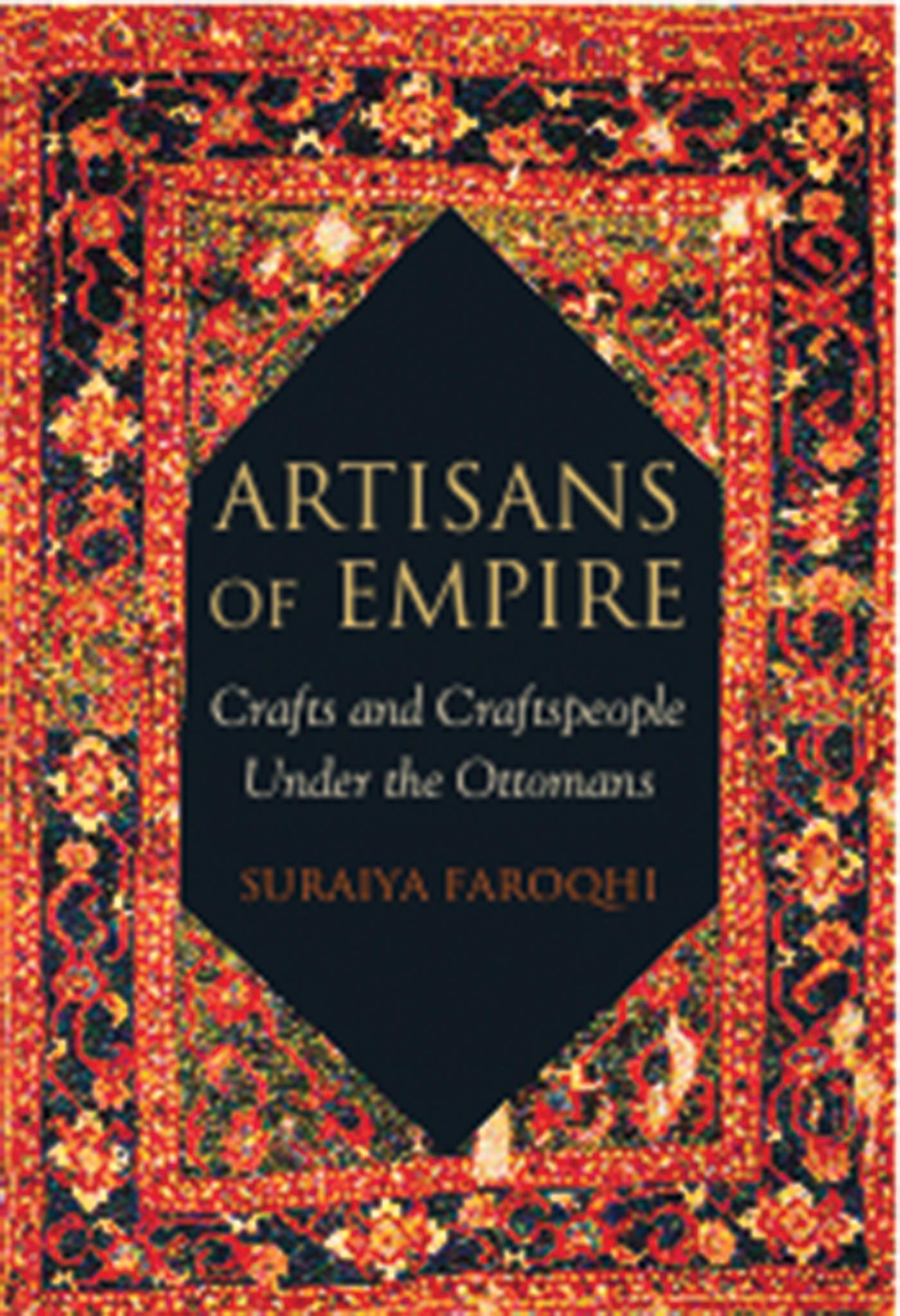
The manufacture and trade in crafted goods and the men and women who were involved in this industry - including metalworkers, ceramicists, silk weavers, fez-makers, blacksmiths and even barbers - lay at the social as well as the economic heart of the Ottoman empire. This comprehensive history, by leading Ottoman historian Suraiya Faroqhi, presents the definitive view of the subject, from the production and distribution of different craft objects to their use and enjoyment within the community. Faroqhi sheds new light on all aspects of artisan life, setting the concerns of individual craftsmen within the context of the broader cultural themes that connect them to the wider world. Combining social, cultural, economic, religious and historical insights, this will be the authoritative work on Ottoman artisans and guilds for many years to come.
'A display of unrivalled knowledge of the sources by one of the leading historians of the Ottoman Empire.' - Erik J. Zürcher, Professor of Turkish Studies at the University of Leiden
'A display of unrivalled knowledge of the sources by one of the leading historians of the Ottoman Empire.' - Erik J. Zürcher, Professor of Turkish Studies at the University of Leiden
Betal enkelt med kort, Klarna, Apple Pay eller Google Pay. Ikke fornøyd? Du har alltid 14 dagers angrerett. Les mer i våre vilkår. Har du spørsmål, send oss en e-post på hello@memmo.org.
Memmo gjør det enklere å studere – uansett hvor du er i verden. Hos oss samler du pensumbøker og smarte studieverktøy på ett og samme sted: sammendrag, quizer, podkaster og flashcards. Og så Ted, din studiekompis som svarer på alt du lurer på. Over 50 000 studenter studerer allerede her – bygget for at du skal lære raskere og stresse mindre.