
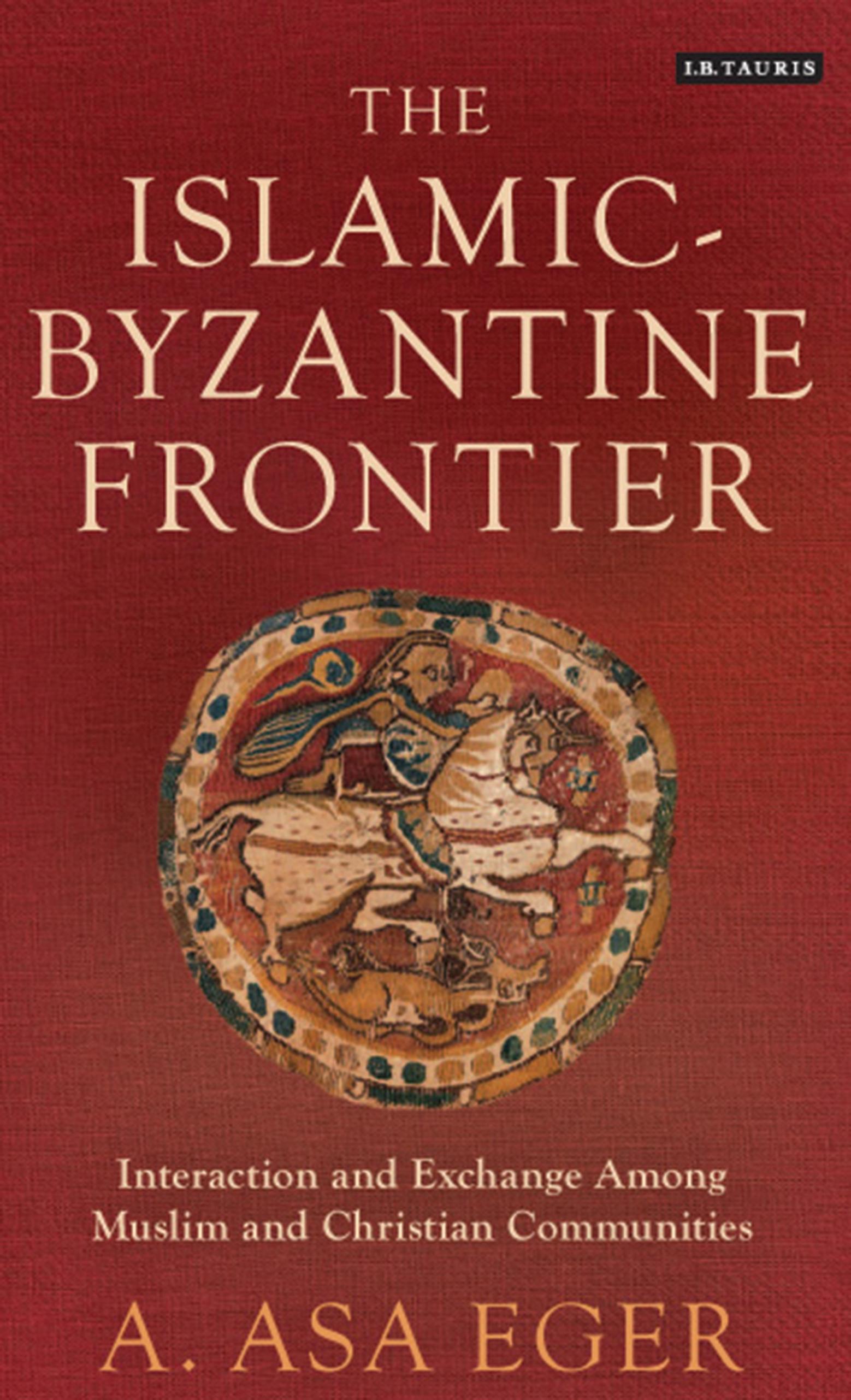
The retreat of the Byzantine army from Syria in around 650 CE, in advance of the approaching Arab armies, is one that has resounded emphatically in the works of both Islamic and Christian writers, and created an enduring motif: that of the Islamic-Byzantine frontier. For centuries, Byzantine and Islamic scholars have evocatively sketched a contested border: the annual raids between the two, the line of fortified fortresses defending Islamic lands, the no-man's land in between and the birth of jihad. In their early representations of a Muslim-Christian encounter, accounts of the Islamic-Byzantine frontier are charged with significance for a future 'clash of civilizations' that often envisions a polarised world. A. Asa Eger examines the two aspects of this frontier: its physical and ideological ones. By highlighting the archaeological study of the real and material frontier, as well as acknowledging its ideological military and religious implications, he offers a more complex vision of this dividing line than has been traditionally disseminated. With analysis grounded in archaeological evidence as well the relevant historical texts, Eger brings together a nuanced exploration of this vital element of medieval history.
Betal enkelt med kort, Klarna, Apple Pay eller Google Pay. Ikke fornøyd? Du har alltid 14 dagers angrerett. Les mer i våre vilkår. Har du spørsmål, send oss en e-post på hello@memmo.org.
Memmo gjør det enklere å studere – uansett hvor du er i verden. Hos oss samler du pensumbøker og smarte studieverktøy på ett og samme sted: sammendrag, quizer, podkaster og flashcards. Og så Ted, din studiekompis som svarer på alt du lurer på. Over 50 000 studenter studerer allerede her – bygget for at du skal lære raskere og stresse mindre.