
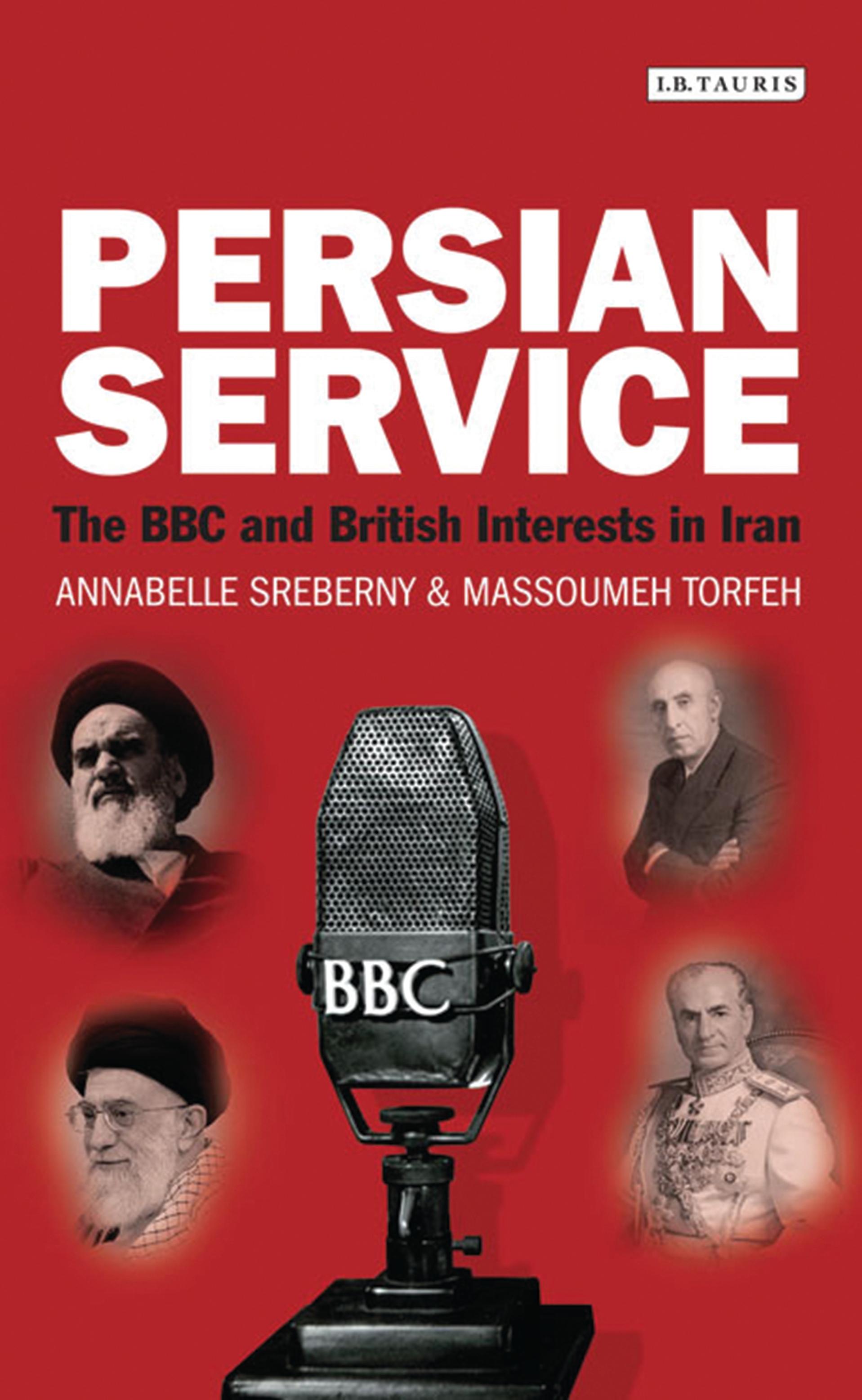
Rumour and speculation in Iran have been rife for generations that the BBC has had a hand in every political upheaval in the country. In this vein the BBC has become a notable element in the complex and tortured narrative of Anglo-Iranian relations. The BBC Persian Service was initially developed in 1940 to prepare and broadcast British war-time propaganda. And it has since been seen by many in Iran as an integral part of British policy-making in the region. Thirty years ago, the Shah of Iran regarded the BBC Persian Service radio as his 'enemy number one' and held it responsible for promoting the revolution of 1979. Only a couple decades earlier, the BBC Persian Service was widely accused for having been complicit in the CIA-led 1953 coup against Prime Minister Mohammad Musaddiq. And a decade earlier, the BBC Persian Service was strongly linked to the British-planned removal of Reza Shah in 1941. The BBC Persian service has frequently been perceived as an entity which was not simply a vehicle to record the changes occurring in Iran and throughout the Middle East, but rather an active agent of change.
In this book, Annabelle Sreberny and Massoumeh Torfeh track the history of the BBC Persian Service, critically analysing both the assumptions that the BBC is a standard bearer for objective reporting and representations of it as a simple tool of Western interests. Also examining the history of relations between the Foreign Office and the BBC Persian Service, they demonstrate that these have never been pre-defined or rigid. Instead, they explore how both institutions have moved from an interest in what can crudely be called state-orchestrated 'propaganda' to a more subtle advocacy of fair and balanced journalism as the best agent of British values and influence.
In this book, Annabelle Sreberny and Massoumeh Torfeh track the history of the BBC Persian Service, critically analysing both the assumptions that the BBC is a standard bearer for objective reporting and representations of it as a simple tool of Western interests. Also examining the history of relations between the Foreign Office and the BBC Persian Service, they demonstrate that these have never been pre-defined or rigid. Instead, they explore how both institutions have moved from an interest in what can crudely be called state-orchestrated 'propaganda' to a more subtle advocacy of fair and balanced journalism as the best agent of British values and influence.
Betal enkelt med kort, Klarna, Apple Pay eller Google Pay. Ikke fornøyd? Du har alltid 14 dagers angrerett. Les mer i våre vilkår. Har du spørsmål, send oss en e-post på hello@memmo.org.
Memmo gjør det enklere å studere – uansett hvor du er i verden. Hos oss samler du pensumbøker og smarte studieverktøy på ett og samme sted: sammendrag, quizer, podkaster og flashcards. Og så Ted, din studiekompis som svarer på alt du lurer på. Over 50 000 studenter studerer allerede her – bygget for at du skal lære raskere og stresse mindre.