
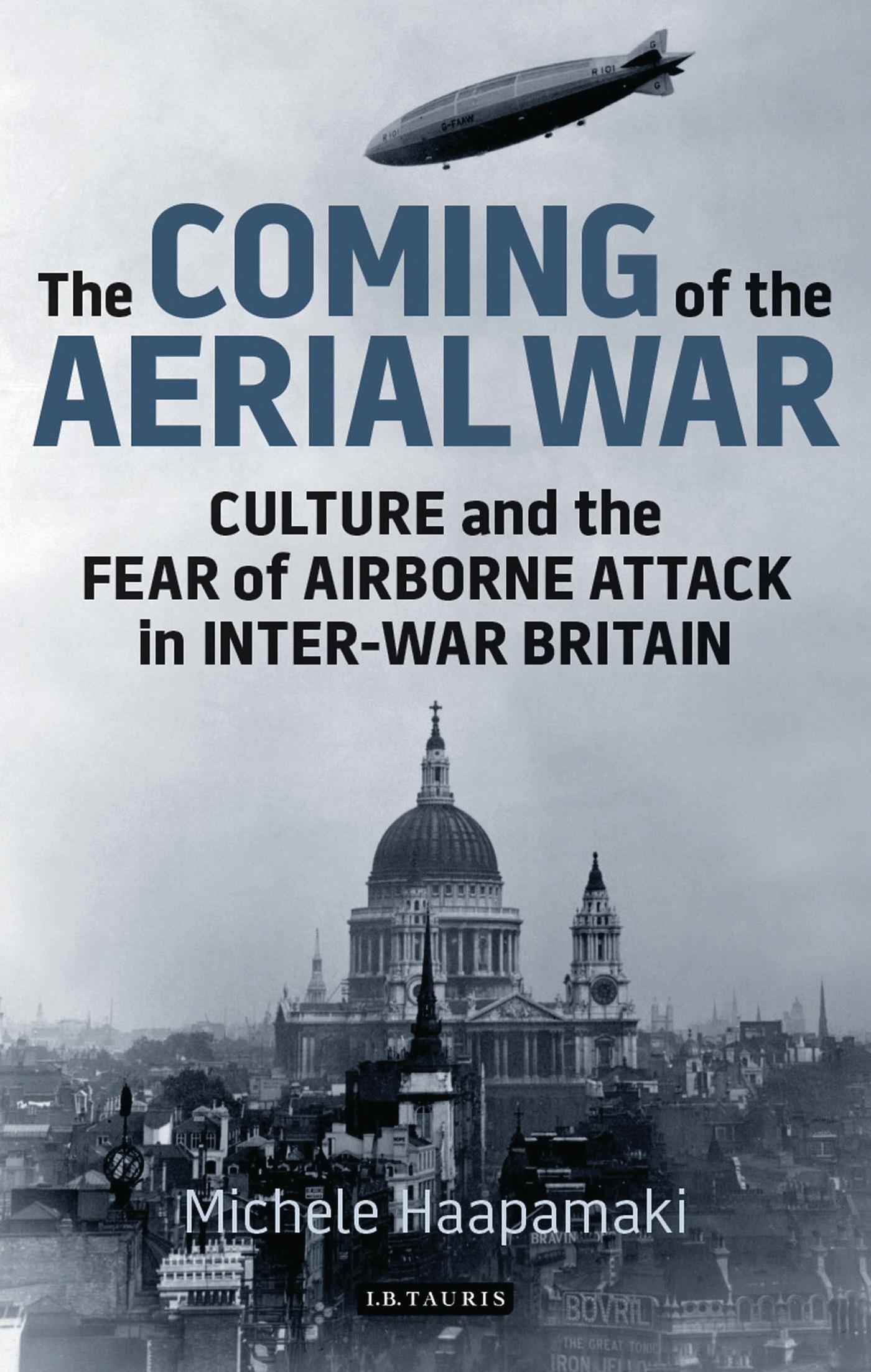
In the first half of the 20th century the possibility of flight opened up entirely new avenues of thought and exploration. In the age of H.G. Wells and Biggles, the opening up of the air to balloons and planes- the Royal Flying Corps was founded in 1912 - appealed to concepts of courage and bravery which would be both encouraged and undermined by the experiences of World War I. The sky also held new terrors for everyday people who were now within reach of an airborne enemy- these fears included the possibilities of bombing, poison gas, surveillance and social contol. This duality of fear and enthusiasm drove the Air Raid Precaution movement, while vocal elements in the press and in parliament called for radical plans to cope with apocalyptic scenarios. Here, Michele Haapamaki charts the history of flight and of war in the air in the early twentieth century, addressing the key issues of interwar historiography such as patriotism, fear, masculinity and propaganda.
Betal enkelt med kort, Klarna, Apple Pay eller Google Pay. Ikke fornøyd? Du har alltid 14 dagers angrerett. Les mer i våre vilkår. Har du spørsmål, send oss en e-post på hello@memmo.org.
Memmo gjør det enklere å studere – uansett hvor du er i verden. Hos oss samler du pensumbøker og smarte studieverktøy på ett og samme sted: sammendrag, quizer, podkaster og flashcards. Og så Ted, din studiekompis som svarer på alt du lurer på. Over 50 000 studenter studerer allerede her – bygget for at du skal lære raskere og stresse mindre.