
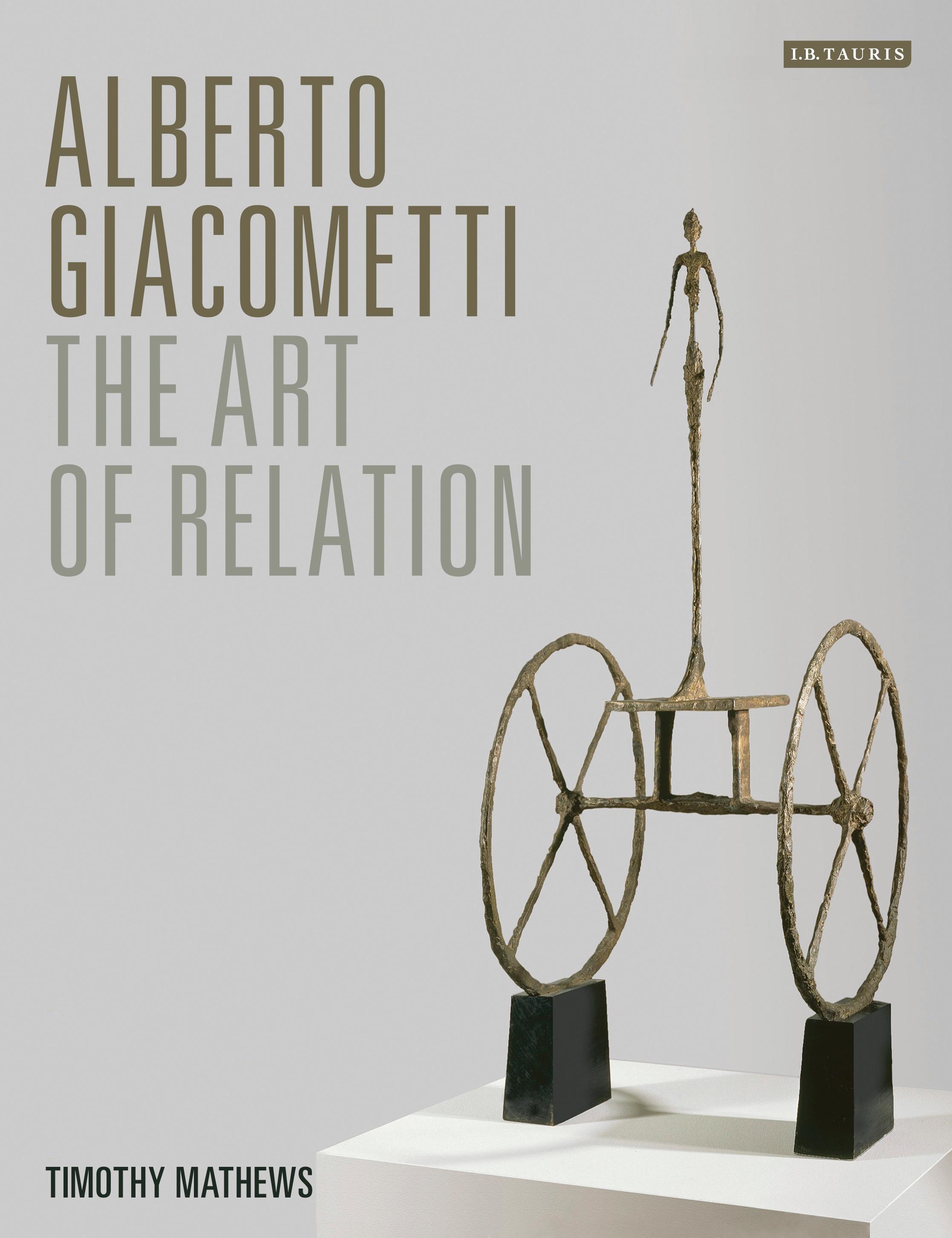
Alberto Giacometti's attenuated figures of the human form are among the most significant artistic images of the twentieth century. Jean-Paul Sartre and Andre Breton are just two of the great thinkers whose thought has been nurtured by the graceful, harrowing work of Giacometti, which continues to resonate with artists, writers and audiences. Timothy Mathews explores fragility, trauma, space and relationality in Giacometti's art and writing and the capacity to relate that emerges. In doing so, he draws upon the novels of W.G. Sebald, Samuel Beckett and Cees Nooteboom and the theories of Maurice Blanchot and Bertolt Brecht; and recasts Giacometti's Le Chariot as Walter Benjamin's angel of history. This book invites readers on a voyage of discovery through Giacometti's deep concerns with memory, attachment and humanity. Both a critical study of Giacometti's work and an immersion in its affective power, it asks what encounters with Giacometti's pieces can tell us about our own time and our own ways of looking; and about the humility of relating to art.
Betal enkelt med kort, Klarna, Apple Pay eller Google Pay. Ikke fornøyd? Du har alltid 14 dagers angrerett. Les mer i våre vilkår. Har du spørsmål, send oss en e-post på hello@memmo.org.
Memmo gjør det enklere å studere – uansett hvor du er i verden. Hos oss samler du pensumbøker og smarte studieverktøy på ett og samme sted: sammendrag, quizer, podkaster og flashcards. Og så Ted, din studiekompis som svarer på alt du lurer på. Over 50 000 studenter studerer allerede her – bygget for at du skal lære raskere og stresse mindre.