
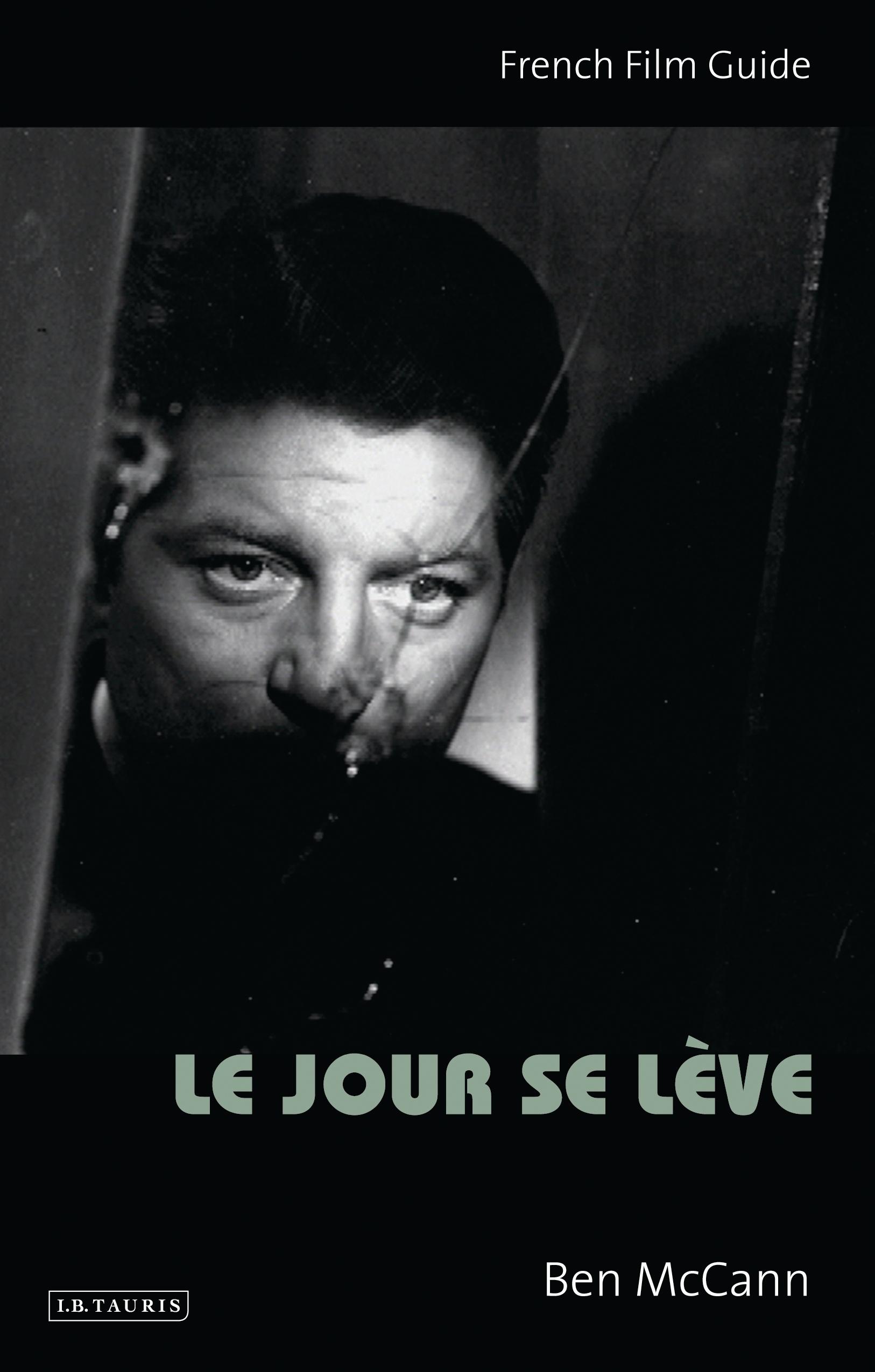
Le Jour se leve (1939) directed by Marcel Carne, is widely recognised as the classic French Poetic Realist film. Told in flashback, it recounts the story of a man who has committed a murder, and who awaits his fate as the police close in. Carne shuttles between different registers, tones and textures throughout, marshalling the studio's resources to create striking pictorial compositions. The film also contains the great French star Jean Gabin's most iconic performance as Francois, marooned at the top of his apartment building. Ben McCann's perceptive and lively book traces the evolution of Le Jour se leve and situates it in a very specific historical moment. He also underlines the importance of actors Jules Berry and Arletty, production designer Alexandre Trauner, writer Jacques Prevert and cinematographer Curt Courant in establishing the film's tone, mood and visual style. He charts the national and international reception of the film, uncovering a work that deeply divided critics at a time of national crisis. He also reveals Le Jour se leve to be a key transitional work between European and American noir and compares it with the 1947 Hollywood remake.
Highlighting its combination of the 'poetic' and the 'realist' this book finally stresses how Le Jour se leve represents the very best of pre-war French studio filmmaking.
Highlighting its combination of the 'poetic' and the 'realist' this book finally stresses how Le Jour se leve represents the very best of pre-war French studio filmmaking.
Betal enkelt med kort, Klarna, Apple Pay eller Google Pay. Ikke fornøyd? Du har alltid 14 dagers angrerett. Les mer i våre vilkår. Har du spørsmål, send oss en e-post på hello@memmo.org.
Memmo gjør det enklere å studere – uansett hvor du er i verden. Hos oss samler du pensumbøker og smarte studieverktøy på ett og samme sted: sammendrag, quizer, podkaster og flashcards. Og så Ted, din studiekompis som svarer på alt du lurer på. Over 50 000 studenter studerer allerede her – bygget for at du skal lære raskere og stresse mindre.