
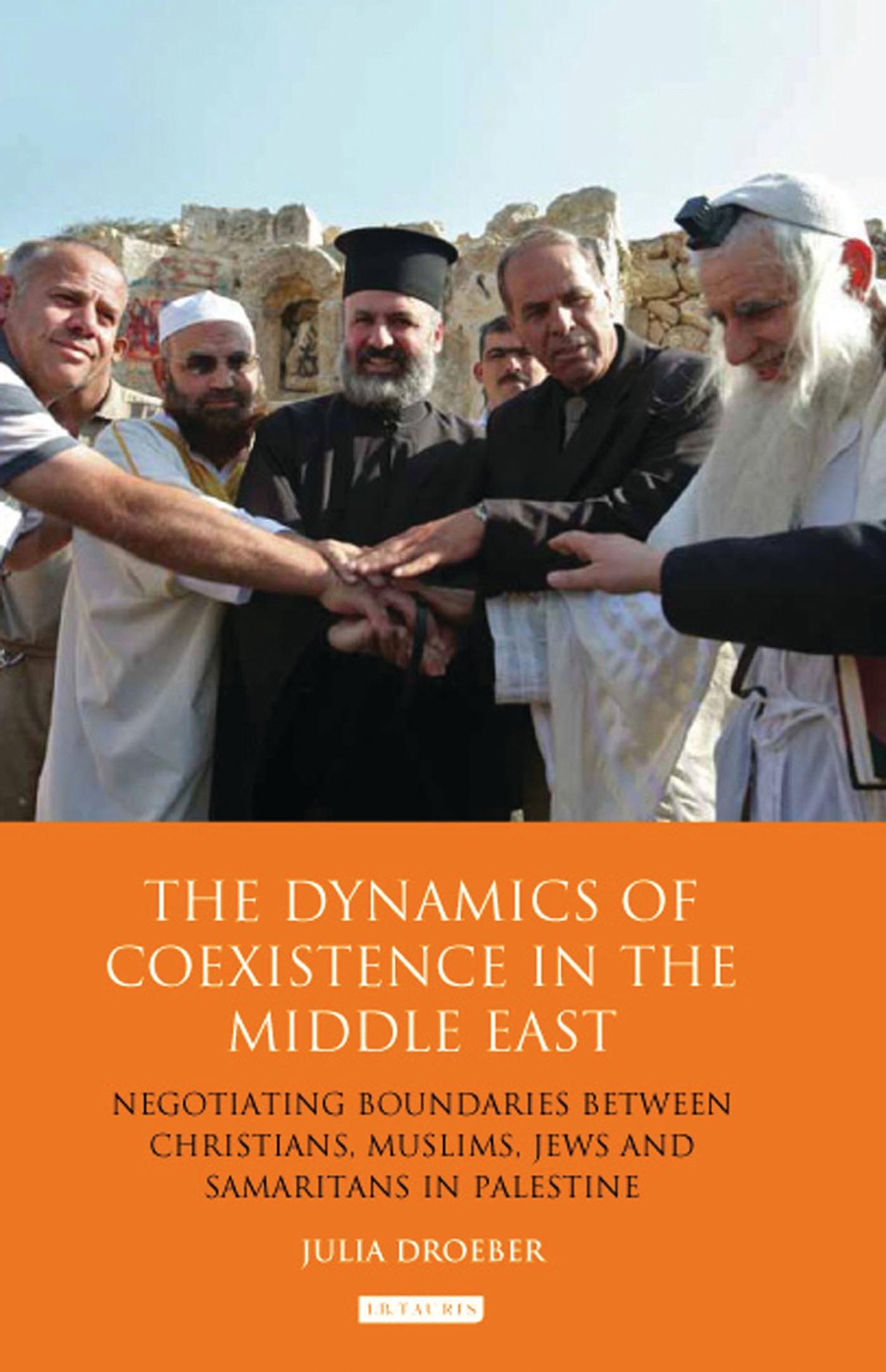
Palestine is often characterised, from afar, as being plagued by insurmountable difference and violent conflict along religious and ethnic lines. Julia Droeber looks beyond this, as she draws out the way in which sameness and difference is constructed and dealt with in the day to day relationships and practices of different religious communities in the West Bank town of Nablus. She follows the reality of coexistence and the constant negotiation of boundaries between Christians, Muslims and one of the last remaining Samaritan communities worldwide, and how these relationships are complicated by an occupier perceived as 'Jewish'. This is a sensitive and nuanced study of cultural and religious space in a much-contested region. It illustrates how differences are reconciled, accommodated and emphasised, while existing alongside a common sense of belonging. Droeber's findings resonate beyond the town of Nablus, and the West Bank, and into the broader fields of Middle East Studies, Anthropology, Comparative Religion and Peace and Conflict Resolution Studies.
Betal enkelt med kort, Klarna, Apple Pay eller Google Pay. Ikke fornøyd? Du har alltid 14 dagers angrerett. Les mer i våre vilkår. Har du spørsmål, send oss en e-post på hello@memmo.org.
Memmo gjør det enklere å studere – uansett hvor du er i verden. Hos oss samler du pensumbøker og smarte studieverktøy på ett og samme sted: sammendrag, quizer, podkaster og flashcards. Og så Ted, din studiekompis som svarer på alt du lurer på. Over 50 000 studenter studerer allerede her – bygget for at du skal lære raskere og stresse mindre.